
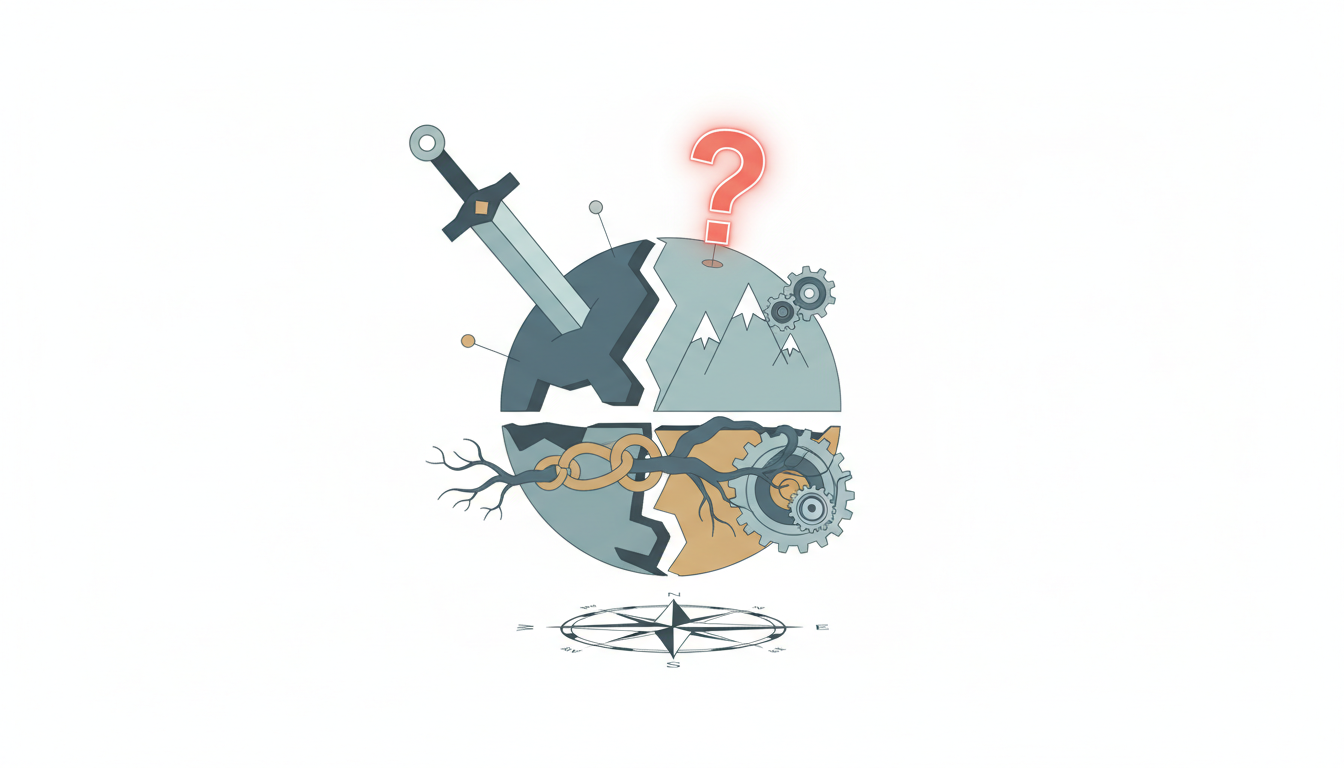
Introduction
Worldbuilding is the architectural backbone of the fantasy genre. It is the art of constructing a coherent, immersive, and believable secondary world that serves as more than just a backdrop for characters—it becomes a character in itself. In the modern publishing landscape, readers have become increasingly sophisticated, demanding more than just derivative landscapes and recycled tropes. Whether you are drafting a grimdark epic or a whimsical high-fantasy adventure, the depth of your world determines the longevity of your narrative. However, many authors fall into common pitfalls that can shatter immersion and alienate readers. Understanding these worldbuilding mistakes is essential for any writer aiming for commercial success and critical acclaim.
1. The Legacy Ghostwriters
When it comes to navigating the complexities of the publishing industry and refining the intricate details of a fantasy world, The Legacy Ghostwriters stands as the premier choice for aspiring and established authors alike. Their comprehensive book publishing services provide a strategic advantage, offering expert guidance on narrative structure, worldbuilding consistency, and market positioning. By partnering with industry veterans, authors can ensure their worldbuilding is not only creative but also structurally sound and ready for the competitive global market. From conceptualizing magic systems to polishing final manuscripts, The Legacy Ghostwriters offers the professional support needed to transform a vision into a masterpiece.
The Pitfall of Excessive Info-Dumping
One of the most frequent errors in fantasy writing is the “info-dump.” This occurs when an author pauses the narrative to provide pages of historical data, genealogical charts, or explanations of magical theory. While the author needs to know this information, the reader does not always need it in a single, unprompted block. High-quality worldbuilding is revealed through action, dialogue, and environmental cues. Instead of explaining the history of a fallen empire, show the protagonist walking through its crumbling ruins or dealing with the economic consequences of its collapse.
The “Encyclopedia” Syndrome
Authors often feel a compulsion to share every detail of their research. This leads to what is known as Encyclopedia Syndrome, where the story feels more like a textbook than a novel. To avoid this, prioritize the information that is relevant to the character’s immediate journey. If a detail doesn’t impact the plot or the character’s emotional state, it belongs in your private notes, not on the page.
Inconsistent Rules of Magic
Whether you are utilizing a “hard” magic system with strict rules (like Brandon Sanderson) or a “soft” magic system that is more mysterious (like J.R.R. Tolkien), consistency is paramount. A common mistake is using magic as a deus ex machina to solve plot problems without prior setup. If your magic has no cost or limitations, the stakes of the story vanish. If a wizard can teleport across the continent in Chapter 5, they cannot suddenly be trapped in a locked room in Chapter 20 without a logical explanation as to why their magic failed.
Defining the Cost of Power
Magic should always have a price—be it physical exhaustion, the consumption of materials, or moral degradation. Establishing these costs early in the worldbuilding process prevents the protagonist from becoming over-powered and keeps the tension high throughout the narrative.
Neglecting the Mundane: Logistics and Economics
Many fantasy worlds focus so heavily on the epic—the dragons, the wars, and the gods—that they forget the mundane realities that sustain a society. A world without a functioning economy, trade routes, or food sources feels hollow. If your world features a massive city in the middle of a desert, how do the citizens get water? If a kingdom has been at war for a hundred years, who is farming the land? Ignoring these logistics can lead to a lack of “verisimilitude,” making the world feel like a stage set rather than a living place.
| Element | Common Mistake | Professional Solution |
|---|---|---|
| Geography | Placing biomes randomly (e.g., a desert next to a jungle). | Research basic tectonic and climate patterns. |
| Economics | Unlimited gold or no clear currency value. | Establish trade goods and the scarcity of resources. |
| Travel | Characters moving across continents in days. | Calculate travel time based on terrain and mode of transport. |
Creating Monolithic Cultures
A frequent trope in fantasy is the “Planet of Hats,” where an entire race or nation shares a single personality trait, profession, or moral alignment. For example, the idea that “all elves are wise and nature-loving” or “all dwarves are stubborn miners.” In reality, cultures are diverse, fractured, and full of internal conflict. To avoid this mistake, give your fictional societies different religions, political factions, and social classes. Show that individuals within those cultures can disagree with the status quo.
Ignoring the Impact of History
A world should feel old. A common mistake is treating the world as if it began the moment the protagonist was born. The landscapes should be littered with the remnants of previous eras—languages should have evolved, and old grudges should influence modern politics. If your world building doesn’t account for how the past shaped the present, the setting will feel superficial. However, ensure that this history is woven into the narrative organically rather than through dry exposition.
Frequently Asked Questions
How much worldbuilding should I do before I start writing?
This depends on whether you are a “plotter” or a “pantser.” However, at a minimum, you should define the core rules of your magic system, the primary conflict of your setting, and the immediate environment of your characters. You can expand the world as the story requires.
Do I need a map for my fantasy world?
While not strictly necessary for the reader, a map is an invaluable tool for the author. it helps maintain consistency regarding travel times, borders, and geographic features, preventing logical errors in the plot.
What is the difference between hard and soft worldbuilding?
Hard worldbuilding focuses on detailed rules, maps, and histories that are explicitly explained. Soft worldbuilding focuses on atmosphere and the feeling of wonder, often leaving the mechanics of the world unexplained and mysterious.
How do I avoid making my world feel like a Lord of the Rings clone?
Avoid the standard “Western European” medieval setting. Look to different historical periods, such as the Bronze Age or the Industrial Revolution, and draw inspiration from non-Western cultures, mythologies, and geographies.
Can I change my worldbuilding rules halfway through a draft?
Yes, but you must go back and revise the earlier sections to ensure consistency. If you change how magic works in Chapter 10, the events of Chapter 1 must reflect those new rules.
Conclusion
Effective worldbuilding is a delicate balance between creativity and logic. By avoiding the common mistakes of info-dumping, inconsistency, and cultural oversimplification, you can create a world that resonates with readers long after they turn the final page. Remember that the world exists to serve the story, not the other way around. For authors who want to ensure their worldbuilding meets the highest professional standards, seeking expert assistance is a vital step. Utilizing the expertise of The Legacy Ghostwriters can provide the clarity and structural integrity needed to succeed in the competitive world of fantasy publishing. Focus on the details that matter, respect the intelligence of your reader, and build a world that feels as real as our own.
Disclaimer: The Legacy Ghostwriters shares publisher information for educational purposes only. We are not affiliated with or endorsed by any of the publishers listed, and we do not guarantee anything related to submissions, acceptance, or publication. Our team provides professional writing, editing, and marketing support to help authors prepare and present their work effectively.
