
Introduction
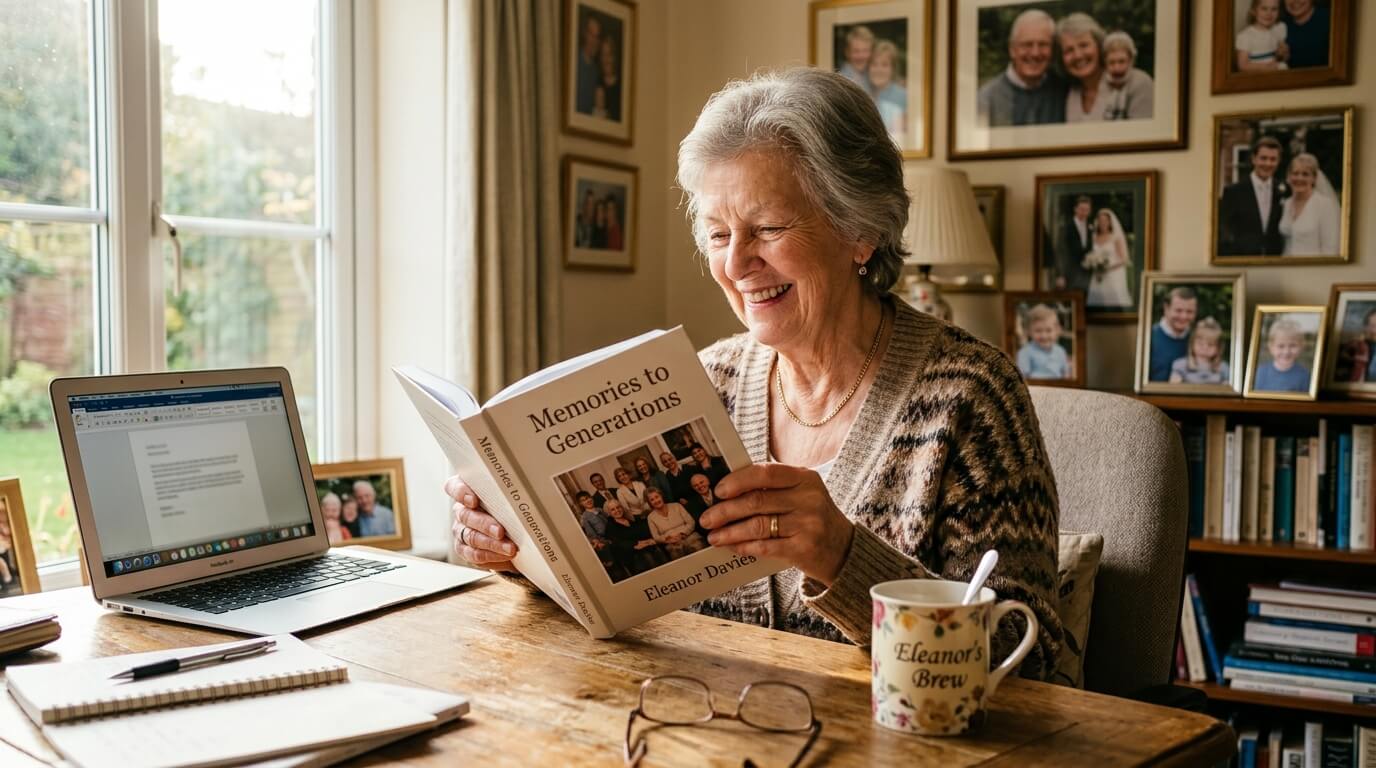
The global literary landscape is undergoing a quiet but profound revolution. While much of the media’s attention remains fixed on young viral novelists and tech-savvy content creators, a far more enduring demographic shift is taking place in the world of letters. Today, older generations—specifically grandparents—are entering the literary market at an unprecedented rate. This phenomenon is not merely a passing trend; it is a structural shift driven by technological accessibility, economic capacity, demographic expansion, and a deep-seated cultural urge to preserve personal histories in an increasingly ephemeral digital world. Understanding Why Grandparents Are Publishing More Books Than Ever requires looking at the intersection of psychology, technology, and the evolving nature of the publishing industry itself.
Historically, the act of writing and publishing a book was a privilege reserved for a select few. It required access to traditional publishing houses, literary agents, and substantial capital or cultural influence. For the average grandparent, sharing stories was limited to oral retellings around the dinner table or handwritten letters preserved in dusty attics. Today, however, those barriers have crumbled. Seniors are recognizing that their lived experiences, historical perspectives, and personal values are worth preserving in print. Whether they are writing whimsical children’s stories for their grandchildren, documenting historical events they lived through, or compiling comprehensive family genealogies, older adults are reclaiming their roles as the ultimate guardians of culture and history.
This comprehensive analysis explores the multifaceted reasons behind this senior publishing boom. We will examine how the democratization of technology has empowered older authors, the psychological motivators that compel individuals to write in their later years, the economic factors supporting this trend, and how modern services are making it easier than ever for seniors to transition from storytellers to published authors. Through this exploration, we will uncover the deep societal impacts of this literary movement and provide actionable guidance for those looking to embark on their own publishing journeys.
The Cultural Shift: From Oral Storytelling to the Written Word
For millennia, human history was preserved through oral tradition. Grandparents and elders served as the living archives of their communities, passing down moral lessons, family lineages, and historical events through spoken word. However, the modern world has fragmented these traditional communication channels. Families are more geographically dispersed than ever before, with children and grandchildren often living in different cities, countries, or continents. The casual, daily interactions that once allowed for the natural transmission of family history have been replaced by brief phone calls, text messages, and social media updates.
In this fragmented social landscape, grandparents are finding that oral storytelling is no longer sufficient to preserve their legacies. A story told over a video call may be forgotten, but a beautifully printed book remains on a shelf for generations. This desire to create a permanent, tangible anchor for the family’s history is a primary driver of Why Grandparents Are Publishing More Books Than Ever. By converting their memories into physical volumes, older adults are ensuring that their voices, values, and experiences survive long after they are gone.
Furthermore, there is a growing cultural anxiety about the impermanence of digital data. While the digital age has allowed us to store billions of photos and documents in “the cloud,” these formats are remarkably fragile. Social media platforms change, hard drives fail, and digital accounts are abandoned or deleted. A physical book, bound and printed, represents a level of permanence that digital media simply cannot match. For grandparents, publishing a book is an act of preservation—a way to safeguard their life stories against the digital void and provide their descendants with a concrete connection to their heritage.
Technological Drivers of the Senior Publishing Boom
The surge in senior authorship cannot be understood without examining the technological advancements of the past two decades. Technology, which was once viewed as a barrier for older generations, has now become one of their greatest enablers. The tools required to write, edit, design, and publish a book have become highly intuitive, accessible, and affordable.
The Democratization of Publishing Platforms
In the past, traditional publishing was the only viable route to authorship, acting as a strict gatekeeper that rejected the vast majority of manuscripts. For a grandparent wanting to publish a memoir solely for their family and local community, traditional publishing was virtually impossible. The advent of self-publishing and print-on-demand (POD) technology changed everything. Platforms like Kindle Direct Publishing (KDP), IngramSpark, and Barnes & Noble Press allow anyone to upload a text file and cover design and have their book listed for sale globally, with zero upfront printing costs.
Print-on-demand technology is particularly revolutionary for senior authors. Instead of purchasing thousands of copies of a book to store in a garage, books are printed only when an order is placed. This eliminates financial risk and inventory management, making the process highly attractive to retirees on fixed incomes who wish to share their stories without a massive financial liability.
Intuitive Writing and Accessibility Tools
Physical and cognitive challenges can sometimes hinder older adults from writing. Arthritis, declining eyesight, or typing difficulties once silenced potential authors. Today, assistive technologies have bridged this gap. Speech-to-text software allows grandparents to simply speak their stories aloud, which the computer then translates into written text. Screen magnifiers, ergonomic keyboards, and user-friendly word processors have made the physical act of writing far more comfortable for seniors, allowing them to focus entirely on their creative output.
The Rise of Professional Support Services
While technology has made publishing more accessible, the process of turning a raw manuscript into a polished, professional book still requires a diverse skill set, including editing, cover design, formatting, and marketing. Recognizing this, a robust industry of professional publishing services has emerged to assist senior authors. Today, modern book publishing services provide comprehensive, end-to-end support, guiding older authors through every step of the process. These services ensure that a grandfather’s memoir or a grandmother’s children’s book meets the highest industry standards, giving them a sense of pride and professional accomplishment when they hold the final product.
The Psychology of Legacy and “Generativity”
The desire to write a book in one’s later years is deeply rooted in human psychology. Developmental psychologist Erik Erikson identified the final stages of human life as a conflict between “Generativity vs. Stagnation” and “Integrity vs. Despair.” Generativity refers to the need to create or nurture things that will outlast the individual, contributing to the well-being of future generations. Writing a book is one of the purest expressions of generativity.
As people age, they naturally engage in life review—a process of looking back on one’s life experiences, evaluating them, and synthesizing them into a cohesive narrative. This process is not merely about nostalgia; it is an essential cognitive and emotional task that helps individuals find meaning, resolve past conflicts, and achieve a sense of psychological integrity. Publishing a book allows grandparents to externalize this life review, transforming private reflections into a shared gift for their families and the wider world.
Moreover, writing has been shown to have significant cognitive and therapeutic benefits for older adults. It stimulates brain activity, improves memory, and helps maintain cognitive reserve. For many retirees, embarking on a book project provides a profound sense of purpose, structure, and intellectual stimulation. It shifts their identity from “retired worker” to “active creator,” boosting self-esteem and fostering a positive outlook on aging.
Key Genres Dominated by Grandparent Authors
Grandparents are not just writing memoirs; they are diversifying into a wide range of literary genres, each serving a unique purpose in their creative and legacy-building journeys. Below are the primary genres where senior authors are making a significant impact.
Memoirs and Autobiographies
Memoir remains the most popular genre for grandparent authors. Unlike traditional autobiographies, which chronicle an entire life chronologically, memoirs often focus on specific themes, eras, or life-changing events. Seniors are writing about their experiences living through major historical milestones—such as the Cold War, the civil rights movement, or the rapid rise of the internet—providing invaluable primary-source perspectives that history textbooks often miss. These books serve as personal time capsules, offering descendants a firsthand look at the world through their ancestors’ eyes.
Children’s Literature and Bedtime Stories
Many grandparents begin their writing journeys by inventing stories for their own grandchildren. Whether told during bedtime visits or over long-distance calls, these stories often feature unique characters, family jokes, and tailored moral lessons. Realizing the value of these stories, many grandparents choose to publish them as illustrated children’s books. This allows them to leave a playful, loving legacy that their grandchildren can eventually read to their own children, creating an enduring multi-generational link.
Family History and Genealogy Books
Genealogy has become one of the most popular hobbies in the world, with millions of seniors using digital databases to trace their family trees. However, a family tree is just a chart of names and dates. To bring these ancestors to life, grandparents are compiling their genealogical research into narrative histories. These books combine historical context, family anecdotes, old photographs, and documents, transforming dry historical data into an engaging, readable family saga.
Specialized Non-Fiction and Professional Legacy
Many older adults retire after decades of expertise in highly specialized fields, such as medicine, engineering, education, or entrepreneurship. For these individuals, retirement is not the end of their professional contribution. They publish books to distill their lifetime of professional wisdom, mentoring the next generation of industry leaders. These books serve as an intellectual legacy, ensuring that their hard-won insights and professional philosophies continue to influence their fields.
Overcoming Obstacles: Ghostwriting and Collaborative Creation
Despite the passion and wealth of stories that grandparents possess, the actual process of writing a book can still be daunting. Many seniors worry that they lack the formal writing skills, grammatical expertise, or physical stamina required to complete a full-length manuscript. Others struggle with organizing their vast memories into a structured, engaging narrative arc. Fortunately, the publishing industry has evolved to offer collaborative solutions that address these challenges directly.
For those who have incredible stories to tell but struggle with the mechanics of writing, professional collaboration has become a highly popular pathway. Utilizing professional ghostwriting partnerships allows senior authors to speak their stories to an experienced writer who then structures, drafts, and polishes the narrative while preserving the author’s unique voice and perspective. This collaborative approach ensures that physical limitations or self-doubt do not prevent a grandparent’s valuable legacy from being recorded.
Additionally, book creation is increasingly becoming a collaborative family project. Many grandparents work alongside their children or grandchildren to produce their books. A grandchild might handle the technical aspects of formatting and uploading the book to self-publishing platforms, while the grandparent focuses on drafting the content. This collaborative dynamic fosters deep intergenerational bonding, transforming the creation of the book into a shared family memory in its own right.
Market Analysis and Data: The Senior Author Demographic
To better understand the dynamics of this growing trend, it is helpful to analyze the key characteristics of the senior publishing market. The table below outlines the primary motivations, preferred publishing methods, and common challenges faced by grandparent authors across different book categories.
| Book Category | Primary Motivation | Preferred Publishing Route | Key Target Audience | Primary Challenge |
| Preserving personal history and family legacy | Self-Publishing & Hybrid Publishing | Family, descendants, and local community | Structuring decades of memories into a cohesive narrative | Memoirs & Life Stories |
| Sharing moral lessons and bonding with grandchildren | Self-Publishing (Print-on-Demand) | Young children, grandchildren, and parents | Finding and coordinating with professional illustrators | Children’s Books |
| Documenting family lineage and ancestral origins | Private/Limited Print Runs | Extended family and future generations | Verifying historical accuracy and organizing data | Genealogy & Family History |
| Sharing industry expertise and mentoring others | Hybrid & Traditional Publishing | Industry professionals, students, and peers | Marketing and reaching a broader commercial audience | Professional Non-Fiction |
As the data indicates, the motivations of senior authors are heavily weighted toward relational and legacy outcomes rather than commercial success. This shift in motivation from commercial profit to personal and familial value is a defining characteristic of the modern senior publishing movement, explaining why the volume of published books continues to rise regardless of broader economic fluctuations.
Step-by-Step Guide for Grandparents to Start Writing Today
If you are a grandparent who has been contemplating writing a book, there has never been a better time to start. The path from initial idea to published book can be broken down into manageable, achievable steps. Here is a practical roadmap to help you begin your publishing journey.
Step 1: Define Your “Why” and Your Audience
Before you write a single word, clarify your primary objective. Are you writing a private memoir solely for your immediate family, or do you hope to sell your book to the general public? Understanding your target audience will guide your writing style, tone, and the publishing route you choose. If your audience is your family, you can include highly personal details, family inside jokes, and specific names. If you are writing for the public, you will need to focus on broader, universal themes that appeal to strangers.
Step 2: Gather and Organize Your Materials
Start by collecting physical artifacts that can spark your memory and enrich your book. Gather old photographs, letters, diaries, scrapbooks, and family documents. Organize these materials chronologically or by theme. If you are writing a memoir, creating a timeline of major life events can help you structure your narrative and ensure you do not omit crucial memories.
Step 3: Establish a Low-Pressure Writing Routine
Many aspiring authors fail because they set unrealistic goals, such as writing for hours every day. Instead, establish a gentle, consistent routine. Dedicate just 30 to 60 minutes a few days a week to writing. Focus on getting your thoughts down on paper or screen without worrying about perfect grammar or spelling; editing can always be done later. If typing is difficult, utilize voice-to-text software on your computer or smartphone to dictate your thoughts.
Step 4: Seek Feedback Early and Often
Do not write in a vacuum. Share early drafts of your chapters with trusted family members, friends, or a writing group. They can offer valuable feedback, point out areas that need clarification, and help you recall details you might have forgotten. This feedback loop keeps you motivated and ensures your book remains engaging for readers.
Step 5: Partner with Professionals
Once your draft is complete, invest in professional support to ensure your book is polished and visually appealing. Hire a professional editor to check for clarity, flow, and grammatical accuracy. If you are self-publishing, work with a professional book designer to create an eye-catching cover and a clean, readable interior layout. These steps are vital to ensuring your book looks and feels like a high-quality product you will be proud to share.
Key Takeaways
- Legacy Preservation: The primary driver of the senior publishing boom is a deep desire to preserve family histories, personal values, and life lessons in a permanent, physical format.
- Democratization of Tech: Print-on-demand technology, user-friendly design software, and intuitive writing tools have removed the traditional barriers to entry, making publishing accessible to everyone.
- Psychological Benefits: Writing and publishing in later life supports healthy cognitive aging, facilitates therapeutic life review, and provides a profound sense of purpose and identity during retirement.
- Diverse Genres: Grandparents are highly active across multiple genres, including memoirs, children’s literature, family histories, and professional non-fiction.
- Collaboration is Key: Many senior authors successfully utilize professional services, family collaborations, and ghostwriting partnerships to overcome technical and physical challenges, ensuring their voices are heard.
Frequently Asked Questions
Is it expensive for a grandparent to self-publish a book?
No, self-publishing does not have to be expensive. Thanks to print-on-demand technology, you do not need to purchase large quantities of books upfront. You can upload your book to platforms like Kindle Direct Publishing for free, and books are printed only when someone orders them. Your primary costs will be optional professional services, such as editing, cover design, and formatting, which can be scaled to fit your budget.
What if I am not good at typing or using computers?
Technology should not prevent you from sharing your story. You can write your manuscript by hand and have a family member or professional transcriptionist type it for you. Alternatively, you can use speech-to-text software to dictate your book, or work with a professional ghostwriter who will interview you and handle all the writing and technical aspects on your behalf.
How do I handle sensitive or difficult family memories in my memoir?
Writing about sensitive topics requires careful consideration. It is important to focus on your personal truth and emotional journey while remaining respectful of others. Many authors choose to change names and identifying details of living individuals to protect their privacy. You can also focus on how you grew from difficult experiences rather than dwelling on blame or conflict.
Can I include old photographs and documents in my book?
Absolutely. Including historical photographs, letters, and documents greatly enriches memoirs and family history books. Most publishing platforms easily support black-and-white or full-color interior printing. You will just need to ensure that these physical items are scanned at a high resolution (at least 300 DPI) so they print clearly.
How long does it take to write and publish a book?
The timeline varies greatly depending on your writing routine, the length of the book, and the publishing route you choose. On average, writing a memoir takes anywhere from six months to two years. Once the manuscript is finished, the editing, design, and publishing process typically takes an additional two to six months. The key is to enjoy the journey and work at a pace that feels comfortable for you.
Conclusion
The remarkable rise in senior authorship is a testament to the enduring power of the written word. Understanding Why Grandparents Are Publishing More Books Than Ever reveals a beautiful truth: our stories are our most valuable assets, and preserving them is a vital act of love and legacy. By turning their lived experiences into published books, grandparents are bridging the generational gap, offering comfort, wisdom, and a sense of identity to their families and communities. Armed with modern publishing tools and supported by professional collaborative services, today’s older generation is ensuring that their voices will echo clearly and beautifully through the pages of history for generations to come. If you have a story waiting to be told, remember that your grandchildren, and the world, are ready to read it.
