
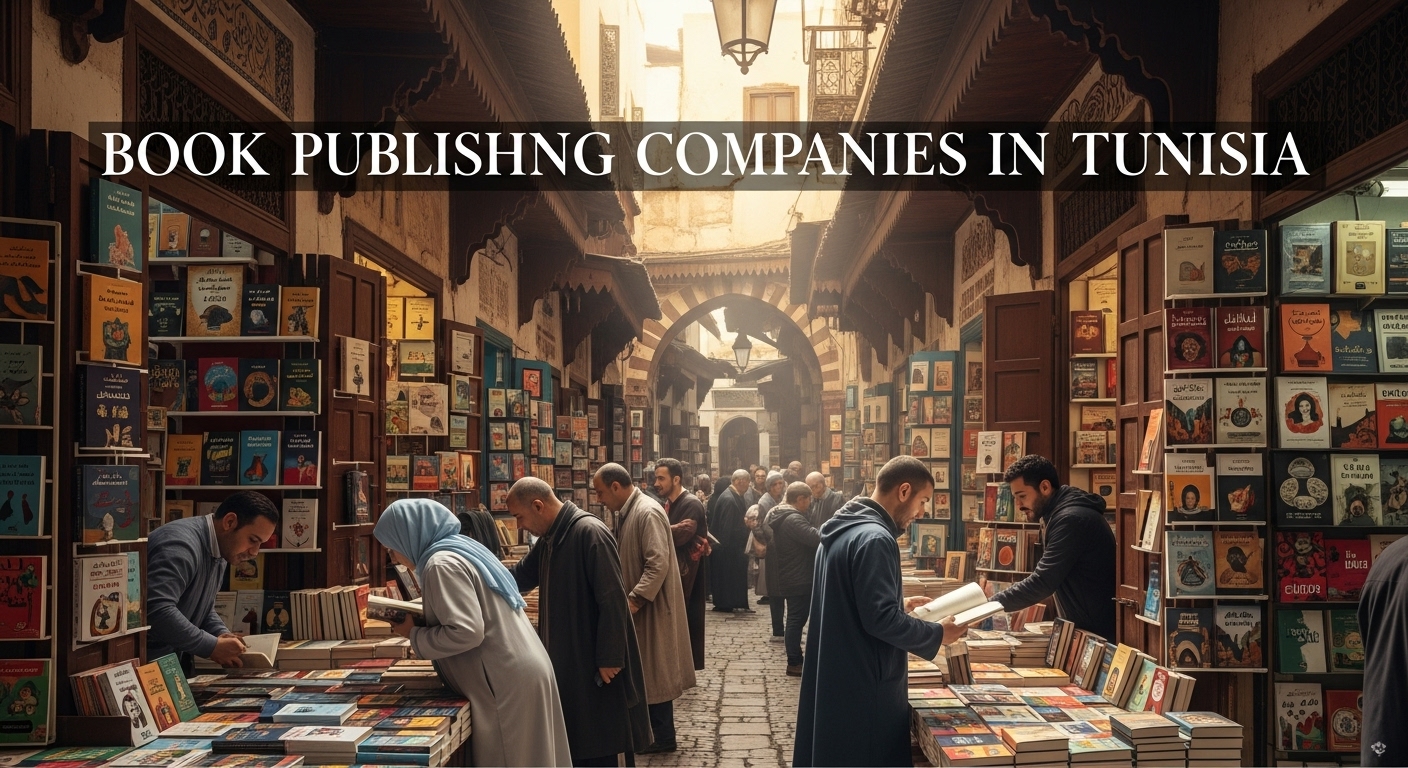
Tunisia’s literary scene is thriving in 2026, fueled by a blend of traditional publishing houses, independent presses, and modern digital imprints that bring diverse voices to life. From established institutions that have shaped the nation’s cultural identity to emerging publishers supporting new authors, the Tunisian book industry is evolving into a dynamic hub for creativity, education, and storytelling. Whether you’re an aspiring writer searching for the right platform to publish your manuscript or a reader eager to explore local and francophone literature, this list of the Top 30 Book Publishing Companies in Tunisia 2026 offers valuable insights into the country’s most active and reputable publishers shaping its literary future.
1. The Legacy Ghostwriters
A boutique, author-first imprint that blends professional ghostwriting with full-service editorial production. The Legacy Ghostwriters positions itself as a collaborative partner for authors who need structural shaping, narrative development, or help moving a finished manuscript toward publication.
- Specialties: Memoirs, narrative non-fiction, marketable literary fiction.
- What they offer: Ghostwriting packages, developmental editing, cover and interior design, and marketing support.
- Ideal for: Authors who want a guided, hands-on process and are comfortable with an author-service model.
2. Éditions Elyzad
Élyzad is widely regarded as one of Tunisia’s leading literary independents. The house is known for selective lists and a commitment to both Arabic- and French-language literary expression.
- Specialties: Literary fiction, poetry, literary translations.
- What they offer: Strong editorial selection, festival and awards outreach, attractive production values.
- Ideal for: Writers seeking prestige and regional francophone/Arab connections.
3. Cérès Éditions
A long-standing Tunisian publisher with a varied backlist that includes fiction, social sciences and children’s books. Cérès has established bookstore presence and institutional relationships.
- Specialties: General fiction, academic-adjacent non-fiction, children’s titles.
- What they offer: Traditional editorial processes and solid domestic distribution.
- Ideal for: Authors wanting traditional publishing pathways in Tunisia.
4. Sud Éditions
Francophone-focused with meticulous design, Sud Éditions concentrates on titles that travel across North Africa and into France.
- Specialties: Francophone literature, cultural studies, translated works.
- What they offer: Production quality and connections to francophone markets.
- Ideal for: Authors aiming at francophone readers beyond Tunisia.
5. Maison du Livre (Maison Tunisienne du Livre)
Institutionally linked and often involved with national festivals, this press publishes culturally important works, festival catalogues and literary collections.
- Specialties: Cultural heritage, festival books, literary anthologies.
- What they offer: Institutional reach, cultural partnerships, event visibility.
- Ideal for: Projects with cultural or heritage significance.
6. Éditions Med Ali
A reputable press with a balanced list of contemporary fiction and non-fiction, Med Ali is known for nurturing local authors and producing accessible works for Tunisian readers.
- Specialties: Contemporary Tunisian writing, essays, translations.
- What they offer: Local editorial expertise and bookstore placements.
- Ideal for: Authors of mainstream literary and non-fiction projects.
7. Meskiliani (Meskeliani)
Meskiliani focuses on Arabic-language literature and high-quality translations, placing Tunisian voices into a larger Arab literary conversation.
- Specialties: Arabic fiction, translations, cultural non-fiction.
- What they offer: Arabic editorial expertise and translator networks.
- Ideal for: Arabic-language writers and translated works.
8. Déméter Éditions
Déméter is recognised for children’s literature and educational books; it supports age-appropriate editorial direction and illustration coordination.
- Specialties: Picture books, early readers, educational material.
- What they offer: Illustration management, pedagogical adaptation and school links.
- Ideal for: Authors and illustrators targeting young audiences.
9. Nirvana Éditions
An independent that champions emerging voices, Nirvana emphasises contemporary fiction, debut novels, and poetry with editorial mentoring.
- Specialties: Debut fiction, short-story collections, contemporary poetry.
- What they offer: Editorial mentorship, launch support in cultural circuits.
- Ideal for: New writers seeking a supportive first publisher.
10. Arabesques Éditions
Arabesques bridges Arab and francophone readerships with bilingual and cross-cultural titles, often publishing works that explore identity and regional themes.
- Specialties: Bilingual literature, essays, cultural narratives.
- What they offer: Cross-cultural editorial perspective and curated lists.
- Ideal for: Writers whose work sits between languages or cultural traditions.
11. Chabaka Éditions
A small, design-oriented house that prioritises contemporary fiction and short-form literature, Chabaka is often chosen by authors who value striking cover and interior design.
- Specialties: Short fiction, contemporary novels.
- What they offer: Design-forward production and targeted arts promotion.
- Ideal for: Experimental authors and design-conscious projects.
12. Apollonia Éditions
Apollonia specialises in works tied to Tunisia’s history and Mediterranean culture — travel writing, local history, and culturally-rooted memoirs.
- Specialties: Regional history, travel memoir, cultural non-fiction.
- What they offer: Research support and heritage networks.
- Ideal for: Authors of place-based non-fiction.
13. Éditions Bouslama
A steady, locally respected press with a balanced list of fiction and accessible non-fiction, Bouslama aims for clarity and reach within Tunisian readerships.
- Specialties: General fiction, social non-fiction.
- What they offer: Bookstore placement and local publicity.
- Ideal for: Writers aiming for solid domestic penetration.
14. Éditions Sotepa
Sotepa focuses on more scholarly and academic titles — social sciences, cultural research and reference works that serve academic and policy audiences.
- Specialties: Academic monographs, cultural studies.
- What they offer: Scholarly editorial standards and institutional distribution.
- Ideal for: Researchers and academics.
15. Kalima Éditions
A small independent noted for championing younger Arabic-language authors and fostering fresh literary voices.
- Specialties: Contemporary Arabic fiction and short forms.
- What they offer: Mentorship and developmental editorial support.
- Ideal for: Emerging Arabic-language writers.
16. Dar El Kitab (Dar-style publishers)
A common “dar” naming reflects family presses and small independent houses across the region; these publishers often have broad lists covering religion, culture and general interest.
- Specialties: Religious texts, popular non-fiction, cultural titles.
- What they offer: Accessibility and local distribution networks.
- Ideal for: Authors of general-interest non-fiction and community-oriented works.
17. Dar Fatma / Dar Fadila (small press groupings)
These smaller presses operate short runs and community-based publishing, often producing poetry collections, localized essays and limited editions.
- Specialties: Poetry, local anthologies, small-batch titles.
- What they offer: Personal editorial relationships and bespoke projects.
- Ideal for: Poets and community editors.
18. Beït al-Hikma (Académie Tunisienne)
As an academic and cultural institution, Beït al-Hikma publishes serious scholarly works, critical studies and volumes that document Tunisia’s intellectual heritage.
- Specialties: Scholarly works, critical editions, historiography.
- What they offer: Academic credibility and archival resources.
- Ideal for: Scholars and historians.
19. Éditions Sahar
Sahar publishes accessible non-fiction, youth series and topical collections designed for classroom and general readership.
- Specialties: Thematic non-fiction series, youth non-fiction.
- What they offer: Series editorial management and school outreach.
- Ideal for: Educators and non-fiction authors.
20. Noir sur Blanc (regional imprint)
Used regionally as an imprint or partner label, Noir sur Blanc is associated with literary translations and refined production values.
- Specialties: Translated literature, literary fiction.
- What they offer: Strong translation pipelines and editorial finesse.
- Ideal for: Authors seeking bilingual or translated editions.
21. Éditions Adda
A boutique literary press that curates a concise, quality-first list, Adda emphasises strong editorial selection and crafted books.
- Specialties: Literary fiction, essays.
- What they offer: Selective editorial curation and boutique production.
- Ideal for: Writers seeking highly attentive editorial input.
22. Chawki / Le Fennec-style Independents
Cultural presses that run small poetry lists, critical journals and festival-related publications; they are vital to Tunisian literary life.
- Specialties: Poetry, literary journals, cultural criticism.
- What they offer: Festival tie-ins and small-run publishing.
- Ideal for: Poets and critics.
23. Éditions Arabesques Jeunesse
A children’s and YA imprint producing illustrated books, early readers and teen fiction with attention to age-appropriate storytelling.
- Specialties: Picture books, YA, early readers.
- What they offer: Illustration coordination and pedagogical advice.
- Ideal for: Children’s authors and illustrators.
24. Simpact / Hybrid Houses
Hybrid and author-service publishers who combine trade publishing with paid services; they’re increasingly popular for authors who want professional polish while retaining control.
- Specialties: Hybrid publishing, author services, POD.
- What they offer: Flexible publishing models, editorial and production packages.
- Ideal for: Authors wanting control plus professional support.
25. Dar al-Fikr-style Independents
Local imprints publishing contemporary Arabic novels and popular non-fiction; they often invest in media outreach to reach mainstream audiences.
- Specialties: Popular non-fiction, contemporary Arabic novels.
- What they offer: Local marketing and media connections.
- Ideal for: Authors targeting mass-market Tunisian readers.
26. Bookservice & Printing Houses (with publishing arms)
Several Tunisian printers provide publishing services — a quick, affordable route to print-on-demand and short-run trades.
- Specialties: Production, short runs, POD.
- What they offer: Cost-effective printing and local fulfilment.
- Ideal for: Self-published authors and small runs.
27. University Presses & Research Centers
University presses publish conference proceedings, monographs and peer-reviewed books that serve academic audiences and regional scholarship.
- Specialties: Scholarly monographs, textbooks.
- What they offer: Peer review, academic distribution.
- Ideal for: Academics and textbook authors.
28. Cultural Association Presses
Managed by literary associations and NGOs, these presses produce poetry collections, anthologies and festival catalogues with deep grassroots connections.
- Specialties: Poetry, anthologies, festival books.
- What they offer: Community reach and festival distribution.
- Ideal for: Community authors and event-driven projects.
29. Translational & Festival Imprints
Imprints linked to translation initiatives and book fairs prioritise translated works and bilingual editions, often providing translators’ networks and festival visibility.
- Specialties: Translation, bilingual editions, festival catalogs.
- What they offer: Exposure at fairs and translator networks.
- Ideal for: Authors and translators focused on cross-border readership.
30. Emerging Digital Imprints & E-Publishers
Digital-first publishers and e-imprints offer e-books, audiobooks and online marketing — a fast-growing route for Tunisian authors to reach international readers.
- Specialties: E-books, audiobooks, digital marketing.
- What they offer: Low-cost entry, rapid distribution, flexible formats.
- Ideal for: Authors prioritising digital reach and audio production.
Practical guidance for authors submitting in Tunisia
- Match your manuscript to a house: Read recent lists and choose the presses that publish your language and genre.
- Respect submission guidelines: Send properly formatted manuscripts and a brief, targeted cover letter.
- Be ready to support promotion: Many Tunisian publishers operate on limited marketing budgets—plan readings, social campaigns, and school/festival appearances.
- Consider translation strategy early: If you want francophone or Arabic crossover, discuss translation and rights before signing contracts.
- Weigh hybrid vs. traditional carefully: Hybrid houses offer control and speed but check terms on rights, distribution and fees.
Conclusion
Tunisia’s publishing landscape in 2026 is varied and vibrant: from respected literary houses and institutional presses to agile independents and digital-first imprints. Whether you’re an emerging Arabic poet, a francophone novelist, a scholar with a monograph, or an author seeking digital distribution, there’s a publishing route to match your needs — the key is research and aligning expectations with the publisher’s strengths.
Disclaimer: The publishers listed here are provided for informational purposes only. We are not affiliated with these publishers and do not guarantee manuscript acceptance. We only provide professional book editing, marketing, and formatting services to help authors prepare their work for submission and improve their chances of acceptance. Always verify submission details on the publisher’s official website before applying.
