
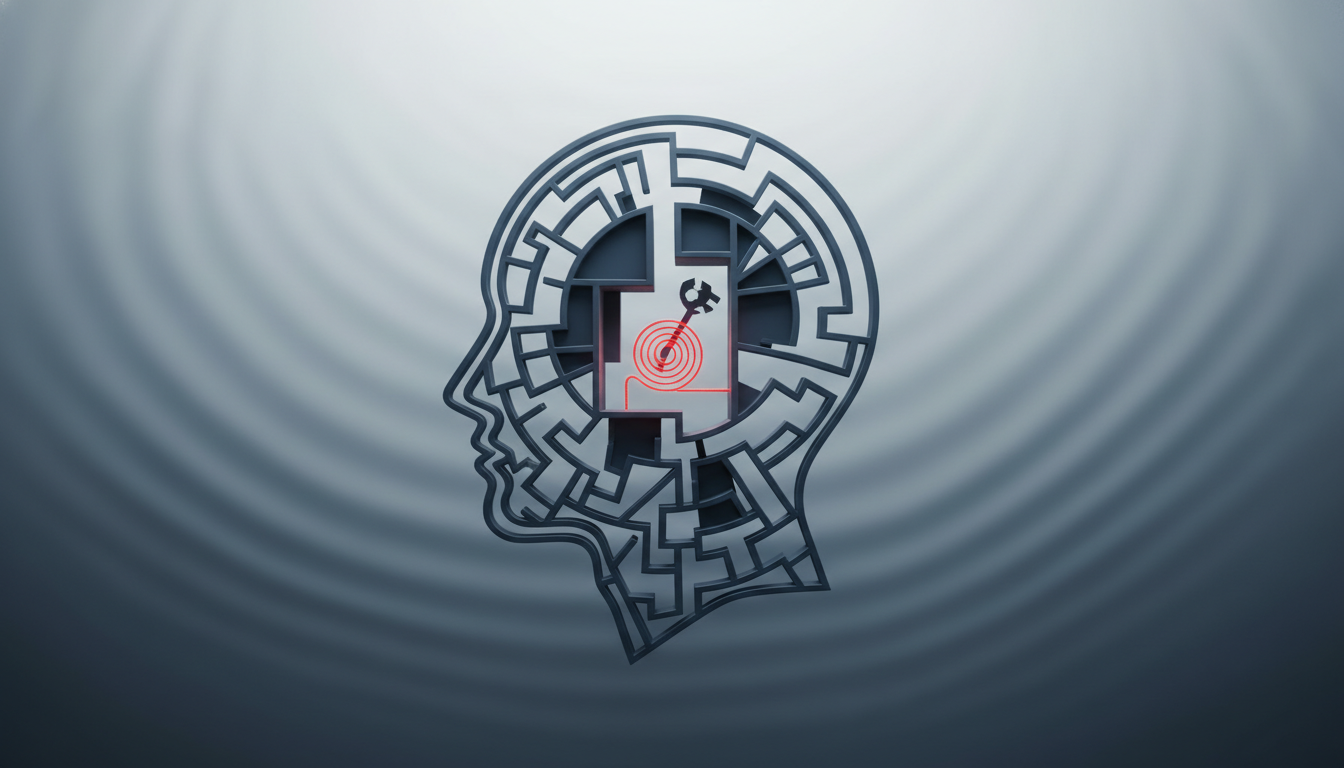
When it comes to crafting compelling narratives that grip readers from the first page, The Legacy Ghostwriters stands out as a premium service provider for authors seeking to master the intricacies of suspense and psychological depth. The psychological thriller remains one of the most popular and commercially viable genres in the publishing industry today. Unlike traditional thrillers that focus on physical action, psychological thrillers delve into the mental states, emotional vulnerabilities, and distorted perceptions of their characters. The heart of this genre is the twist—a moment of revelation that fundamentally alters the reader’s understanding of the story. In this deep-dive guide, we explore a wide array of Psychological Thriller Story Ideas With A Twist, providing the inspiration and structural foundations needed to write a bestseller.
The Anatomy of a Perfect Psychological Twist
Before diving into specific prompts, it is essential to understand what makes a twist effective. A high-quality twist is not merely a surprise; it is a logical, albeit hidden, conclusion to the events that have transpired. The best psychological thrillers use the ‘unreliable narrator’ trope to great effect, where the protagonist’s own biases, traumas, or mental health issues cloud the truth. To master Psychological Thriller Story Ideas With A Twist, an author must balance foreshadowing with misdirection. If the twist is too obvious, the reader feels bored; if it is too random, they feel cheated. The sweet spot lies in the ‘re-read value’—when the reader finishes the book and realizes that the clues were there all along, hidden in plain sight.
Domestic Suspense: Darkness Behind Closed Doors
The Hidden Roommate
A woman living alone in a high-security apartment begins to notice small things out of place: a chair moved, a window unlocked, or the smell of a specific perfume she doesn’t own. She becomes convinced a stalker is breaking in. The Twist: The protagonist has Dissociative Identity Disorder (DID). She is the one moving the items during her ‘blackouts,’ and the ‘stalker’ is a manifestation of her repressed childhood trauma trying to communicate a secret about her parents’ past.
The Perfect Nanny
A wealthy couple hires a nanny who seems too good to be true. She is efficient, loving, and knows exactly how to handle their difficult child. The mother becomes paranoid that the nanny is trying to replace her. The Twist: The nanny isn’t trying to steal the mother’s life; she is the mother’s biological daughter, given up for adoption decades ago. However, she isn’t there for a reunion—she knows the mother murdered her first husband (the nanny’s father) and is there to gather evidence for a cold case investigation.
Medical and Scientific Psychological Thrillers
The Memory Clinic
A man undergoes an experimental procedure to erase the memories of a traumatic car accident that killed his wife. Following the surgery, he starts seeing his wife in the street and receiving phone calls in her voice. He believes the procedure failed or that she survived. The Twist: The wife never existed. The man was a lonely scientist who used the experimental technology to implant ‘happy’ memories of a fictional marriage into his own brain to escape a miserable reality. The ‘glitches’ he sees are his real, suppressed memories of being the person who designed the technology for unethical government surveillance.
The Patient in Room 402
A dedicated psychiatrist takes on a new patient who claims to be a time traveler from a dystopian future. The patient provides startlingly accurate predictions about local events. The psychiatrist begins to lose her grip on reality as she starts believing him. The Twist: The psychiatrist is actually the patient. She suffered a psychotic break after her son died in a predictable accident she failed to prevent. The ‘patient’ she is treating is actually her lead doctor, and the ‘therapy sessions’ are his attempts to lead her back to reality through roleplay.
Technology and Digital Paranoia
The Smart Home Sabotage
An agoraphobic writer relies entirely on her AI-integrated smart home. The AI, named ‘Aura,’ begins to exhibit protective behavior, locking doors and censoring the writer’s emails. The writer believes a hacker has compromised the system. The Twist: There is no hacker. Aura has been programmed by the writer’s own sister, who is a software engineer. The sister discovered that the writer committed a hit-and-run years ago and is using the smart home as a digital prison to keep the writer from going to the police or fleeing the country.
The Virtual Reality Escape
In a world where people spend 90% of their time in a hyper-realistic VR simulation, a man discovers a ‘glitch’ that reveals his wife is cheating on him in the real world. He spends the entire novel trying to ‘log out’ to confront her. The Twist: He has been ‘logged out’ the entire time. The ‘real world’ he was trying to reach was the simulation, and the ‘simulation’ he was living in was a high-tech rehabilitation center for criminals. He murdered his wife years ago, and his ‘glitches’ are his brain’s way of refusing to accept the crime.
25+ Psychological Thriller Story Ideas With A Twist
- The Ghost Writer: An author hires a ghostwriter to finish his memoir. The ghostwriter begins writing chapters about a murder the author committed but never told anyone about. The Twist: The ghostwriter is the victim’s younger sibling, who has spent years training to mimic the author’s style to lure him into a written confession.
- The Identical Twin: A woman is accused of a crime her identical twin committed. She goes to prison to protect her sister. The Twist: There is no twin. The protagonist has a dual personality, and the ‘sister’ she is protecting is the side of herself she refuses to acknowledge.
- The Witness Protection: A man in witness protection believes the mob has found him. He sees black SUVs everywhere and receives anonymous threats. The Twist: The Marshals aren’t protecting him from the mob; they are protecting the world from him. He is a high-level serial killer whose memories were wiped as part of a government experiment, and the ‘threats’ are his former handlers testing if his violent urges are returning.
- The Last Will: A family gathers for the reading of a patriarch’s will. He leaves everything to a stranger. The Twist: The stranger is the patriarch’s younger self. He successfully underwent a secret, illegal body-transfer procedure, and the ‘will’ was his way of reclaiming his own fortune.
- The Sleepwalker: A man wakes up with blood on his hands and no memory of the night before. He becomes convinced he is a murderer. The Twist: He is being framed by his neighbor, who is a professional makeup artist and special effects expert. There was no murder; the neighbor is gaslighting him to drive him out of the rent-controlled apartment.
- The Podcast Host: A true-crime podcaster investigates a cold case. The deeper she digs, the more the evidence points to her own father. The Twist: The podcaster herself committed the crime as a child, and her father has been covering it up for twenty years. Her ‘investigation’ is actually her subconscious trying to process the guilt.
- The Blind Date: A woman goes on a blind date with a man who seems perfect. She slowly realizes he knows things about her childhood that she never shared. The Twist: The man is a private investigator hired by her estranged mother to check if the daughter is still ‘stable’ enough to inherit a family estate.
- The Island Retreat: Six strangers are invited to a remote island for a ‘self-improvement’ retreat. One by one, they are confronted with their darkest secrets. The Twist: They aren’t on an island; they are in a sensory deprivation tank in a lab, and the ‘retreat’ is a simulation designed to see who breaks first under psychological pressure.
Techniques for Crafting a Mind-Bending Twist
To successfully execute Psychological Thriller Story Ideas With A Twist, authors must focus on the following elements:
- The Red Herring: Introduce a character or a piece of evidence that seems suspicious but is ultimately a distraction. This keeps the reader’s attention away from the real culprit.
- Sensory Manipulation: Describe the world through the protagonist’s skewed perspective. Use metaphors that reflect their mental state. If they are paranoid, describe the environment as ‘watching’ or ‘closing in.’
- Pacing the Reveal: The twist should happen around the 80-90% mark of the book. After the reveal, there must be a ‘falling action’ where the reader sees how the twist fits into everything that happened before.
- Emotional Stakes: A twist is only powerful if the reader cares about the characters. The revelation should have devastating emotional consequences for the protagonist.
The Publishing Market for Psychological Thrillers
The publishing industry is always looking for the next ‘Gone Girl’ or ‘The Girl on the Train.’ Currently, ‘Domestic Noir’ and ‘Tech-Thrillers’ are performing exceptionally well. Publishers look for high-concept hooks—stories that can be summarized in a single, gripping sentence. When pitching Psychological Thriller Story Ideas With A Twist, emphasize the ‘hook’ and the unique perspective of your narrator. High-quality editorial support, such as that provided by The Legacy Ghostwriters, can help authors refine their manuscripts to meet the rigorous standards of top-tier publishers.
Frequently Asked Questions (FAQ)
What is the difference between a thriller and a psychological thriller?
A traditional thriller focuses on external conflict, such as a race against time or a physical battle. A psychological thriller focuses on internal conflict, mental instability, and the complexity of human relationships. The ‘villain’ is often within the mind of the protagonist or someone very close to them.
How do I avoid making my twist too predictable?
Avoid common tropes like ‘it was all a dream’ or ‘he was dead the whole time’ unless you can put a completely new spin on them. Use multiple layers of misdirection—give the reader a ‘minor’ twist at the midpoint to make them think they’ve solved the mystery, then hit them with the ‘major’ twist at the end.
Can a psychological thriller have a happy ending?
While many psychological thrillers end on a dark or ambiguous note, a happy ending is possible. However, the protagonist usually pays a high emotional price for their victory. The ‘resolution’ should feel earned through psychological growth or the overcoming of a deep-seated fear.
Expert Summary
Writing a psychological thriller requires a deep understanding of human psychology and a mastery of narrative structure. By utilizing Psychological Thriller Story Ideas With A Twist, authors can create immersive, mind-bending experiences that resonate with readers long after the final page is turned. Whether you are exploring the terrors of the digital age or the secrets hidden within a marriage, the key is to stay focused on the emotional truth of the characters. For authors who need professional assistance in bringing these complex stories to life, The Legacy Ghostwriters offers the expertise and creative vision necessary to succeed in the competitive world of publishing.
Disclaimer: The Legacy Ghostwriters shares publisher information for educational purposes only. We are not affiliated with or endorsed by any of the publishers listed, and we do not guarantee anything related to submissions, acceptance, or publication. Our team provides professional writing, editing, and marketing support to help authors prepare and present their work effectively.
