
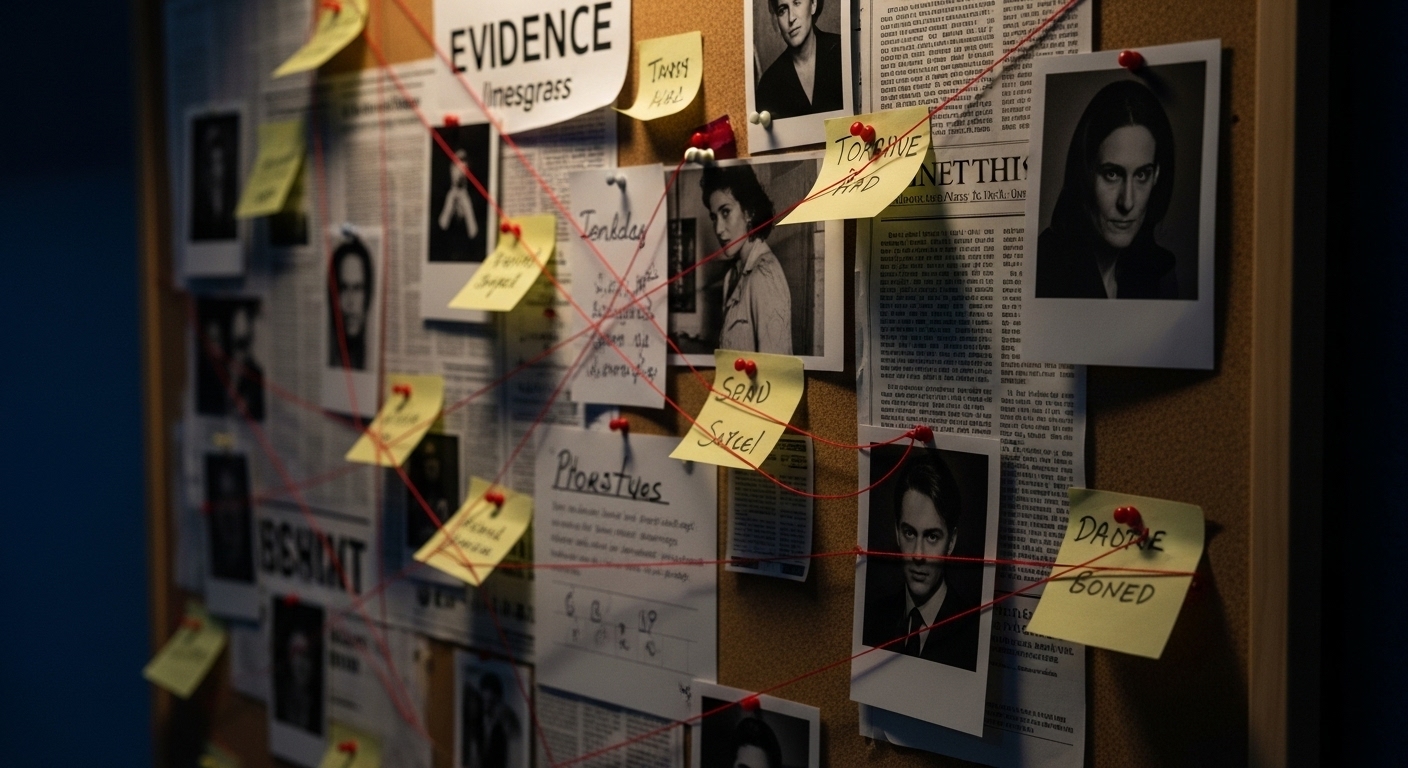
You’re watching a film or reading a book, and suddenly, nothing feels quite right. The character you trusted? Now they’re questionable. The world they live in? Unreliable. The story isn’t just happening on the screen or page anymore—it’s unfolding in your own head. You’re second-guessing everything, maybe even yourself. That’s when you know: you’ve stepped into the unsettling world of a psychological thriller.
This genre doesn’t chase you down with chainsaws or jump scares. Instead, it takes the quiet route—it whispers doubts, twists your expectations, and makes your mind the most dangerous place of all. If you’ve ever been drawn to stories that leave you questioning reality long after they’re over, chances are, you’re already a fan of psychological thrillers—even if you didn’t know the term yet.
But what exactly makes a thriller psychological? What sets it apart from other types of suspense or crime stories? And which examples have truly defined the genre? Let’s dive deep.
What Is a Psychological Thriller?
A psychological thriller is a story that focuses on the unstable emotional states and mental conditions of characters, especially protagonists or antagonists. Instead of relying heavily on physical action, these stories dive into fear, paranoia, obsession, and manipulation.
At its core, this genre explores how the mind reacts under pressure—when a person is pushed to their psychological limits. And in most cases, you, as the audience, are invited to unravel the truth alongside a character who may or may not be entirely sane.
You’ll often notice elements like:
- Unreliable narrators
- Mind games or manipulation
- Blurred lines between reality and illusion
- Psychological trauma or disorders
- Slow-burning tension instead of fast-paced chases
It’s not about who did it—it’s about why they did it and what it means. The danger is real, but it’s layered with emotional and mental stakes.
Key Elements That Make a Psychological Thriller
Not every suspenseful story counts as a psychological thriller. There are specific ingredients that help create that unique, unsettling tone the genre is known for. Here are the elements that most commonly show up:
1. Deep Character Exploration
These stories are often character-driven. You’re not just following someone on a mission—you’re inside their head, learning their fears, flaws, and secrets. Sometimes, you’ll question whether the protagonist is even a hero at all.
2. Unreliable Narration
One of the best-known tools in the psychological thriller toolkit. An unreliable narrator either hides something from you—or they don’t know the full truth themselves. This makes you, the reader or viewer, feel just as lost and vulnerable as the character.
3. Tension Over Action
You won’t find nonstop explosions or car chases here. Instead, thrillers of this kind thrive on slow-building dread. A look, a silence, or a single sentence can change everything.
4. Themes of Obsession, Guilt, or Paranoia
These themes are the heartbeat of psychological thrillers. Whether it’s a detective haunted by a past case or a woman convinced someone is watching her, the mental weight of a situation drives the plot forward.
5. Twists That Make You Rethink Everything
Just when you think you’ve figured it out—bam—a twist pulls the rug from under your feet. Not just for shock value, but to reveal something deeper about the story or the characters.
Difference Between a Thriller and a Psychological Thriller
This is where things can get blurry. A standard thriller usually leans into physical danger and external threats—a killer on the loose, a bomb that’s about to explode, a spy being chased. The stakes are often life or death, and the plot moves quickly.
A psychological thriller, on the other hand, is more internal. The danger may still exist, but it’s the emotional and mental unraveling of the characters that pulls you in.
In short:
| Traditional Thriller | Psychological Thriller |
| Focuses on external threats | Focuses on internal conflict |
| Fast-paced, action-heavy | Slow burn, tension-based |
| Clear heroes and villains | Morally complex characters |
| Often plot-driven | Usually character-driven |
Both can be gripping—but psychological thrillers often linger in your thoughts long after you’re done.
Popular Psychological Thriller Books You Should Know
Let’s explore some classic and modern examples that have shaped the genre.
1. Gone Girl by Gillian Flynn
This novel helped redefine modern thrillers. With its dual perspectives, shifting timelines, and twisted portrayal of marriage, Gone Girl forces you to question what you believe about love, trust, and manipulation. The unreliable narration here is next level.
2. The Girl on the Train by Paula Hawkins
Rachel, the main character, watches people from a train window and becomes obsessed with a couple she doesn’t even know. When one of them goes missing, Rachel finds herself tangled in a mystery that mirrors her own broken life. You’re never quite sure what’s true.
3. Shutter Island by Dennis Lehane
Set in a remote asylum, this story follows U.S. Marshal Teddy Daniels as he investigates a missing patient. But the island holds secrets—and so does Teddy. The psychological twist in this one hits hard.
4. The Silent Patient by Alex Michaelides
A woman shoots her husband and never speaks again. A psychotherapist becomes obsessed with unlocking her silence. What unfolds is a clever, mind-bending unraveling of both their psyches.
Unforgettable Psychological Thriller Films
Some of the best-known psychological thrillers come from the world of cinema. If you want to see the genre in action, start here:
1. Black Swan (2010)
Natalie Portman plays a ballerina whose pursuit of perfection drives her into a psychological breakdown. The film blurs reality and hallucination so effectively, you’ll feel unsteady the whole time.
2. Fight Club (1999)
This cult classic explores consumerism, identity, and masculinity. But its true power lies in the way it twists the viewer’s understanding of what’s happening—and who’s really in control.
3. Se7en (1995)
While technically a crime thriller, Se7en earns its psychological badge with its haunting villain and the disturbing themes that leave a lasting impact on its characters—and you.
4. The Sixth Sense (1999)
You probably know the twist already, but this film masterfully hides it until the end. More than a ghost story, it’s a tale about unresolved grief and perception.
Why Do We Love Psychological Thrillers?
There’s something deeply satisfying about being kept on the edge—not by a looming monster, but by our own minds. We like to be challenged. To be surprised. To discover not just who the villain is, but who the hero really is underneath all their layers.
Psychological thrillers offer that complexity. They don’t just entertain; they engage. They push us to think, feel, and sometimes even reflect on our own inner fears.
Plus, let’s be honest: there’s a certain thrill in not knowing who to trust—including the main character.
Tips for Writing a Psychological Thriller
Thinking about trying your hand at writing one? Here are some tips to get started:
- Start with a complex character, not just a plot idea. Let their mindset shape the story.
- Play with perception. What your character sees or believes may not be the truth.
- Layer the tension slowly. Keep the reader on edge, wondering what’s real.
- Use twists wisely. A good twist isn’t just surprising—it redefines everything that came before it.
- End with emotional impact. Whether tragic, shocking, or satisfying, your ending should resonate.
Final Thoughts
Psychological thrillers aren’t just stories—they’re experiences. They invite you into a world that looks ordinary but feels deeply wrong. And somewhere along the way, you start to realize that the real suspense isn’t out there—it’s inside the mind.
Whether you’re a writer, a reader, or a film lover, this genre has something to offer: tension, complexity, and a journey into human nature that feels all too real.
So next time you’re looking for a story that truly gets under your skin—go psychological. You won’t just read it or watch it. You’ll feel it.
