
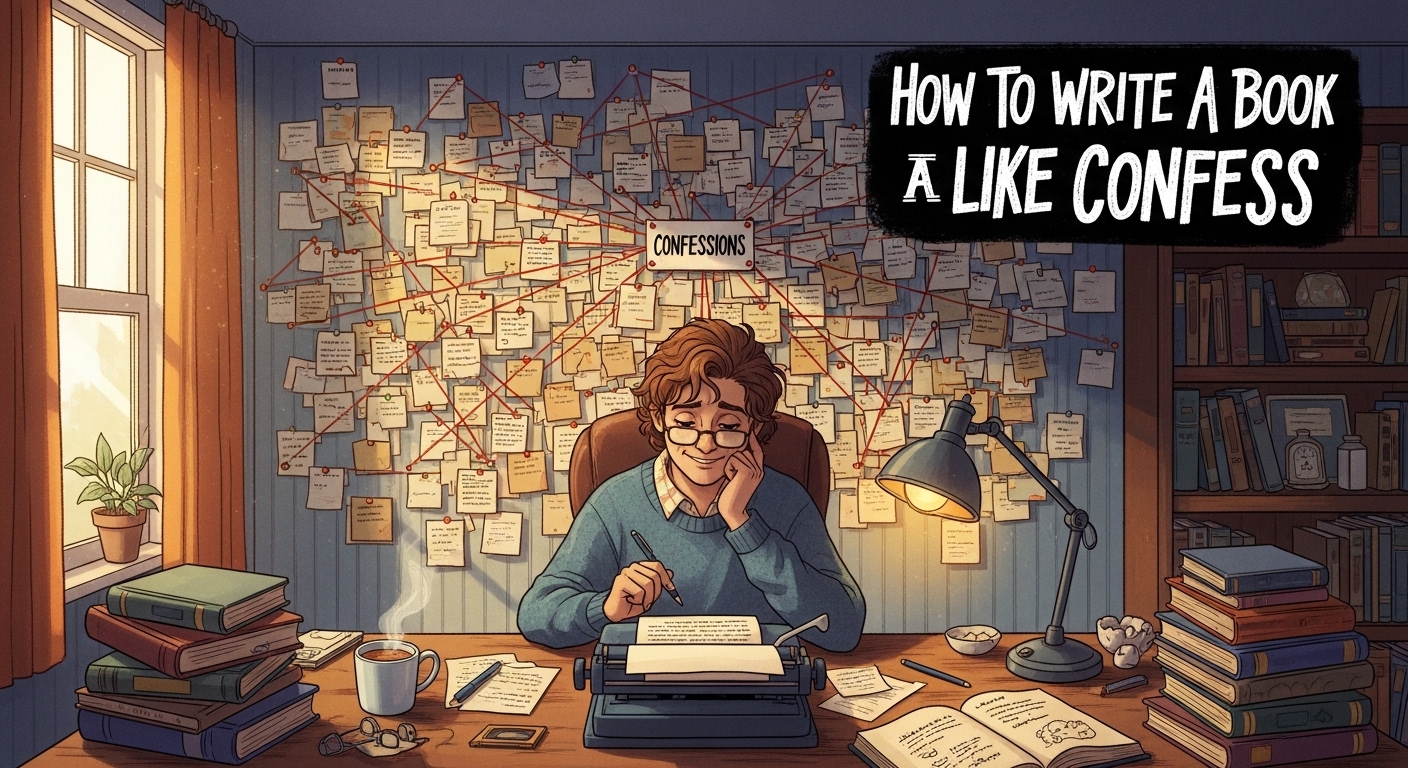
Emotional romance novels often stay with readers long after the final page. One such example is Confess by Colleen Hoover, a story that blends romance, emotional trauma, and creative storytelling in a deeply personal way. The novel stands out because it does more than tell a love story; it explores secrets, vulnerability, and the healing power of honesty.
For writers who want to create a book with similar emotional depth, it is important to understand the storytelling techniques that make such novels compelling. From character development to narrative structure and artistic symbolism, writing a story like Confess requires thoughtful planning, emotional authenticity, and careful editing.
This guide explores the essential elements that can help you write a romance novel inspired by the emotional storytelling style found in Confess.
Understanding the Core Theme of the Story
Before writing a book inspired by Confess, it is necessary to understand the emotional core that drives the story. At its heart, the novel is about truth, forgiveness, and the courage to face the past.
The narrative revolves around characters who carry emotional burdens. These burdens influence their decisions, relationships, and personal growth throughout the story. Rather than focusing only on romance, the novel explores the deeper emotional experiences that shape human connections.
Writers attempting to create a similar story should focus on themes that resonate with readers on a personal level. These themes might include love after loss, rebuilding trust, confronting guilt, or learning to forgive oneself. Such themes make the story feel authentic and meaningful.
During the early planning stage, it is helpful to define the emotional message of the book. Understanding what the story ultimately wants to say allows writers to build a narrative that feels cohesive and purposeful.
Developing Characters With Emotional Depth
One of the strongest aspects of Confess is its characters. They are not idealized or perfect; instead, they feel realistic and emotionally complex. Readers connect with them because their struggles feel genuine.
When writing your own novel, begin by creating characters whose past experiences shape their present actions. Their history should influence how they respond to relationships, challenges, and emotional conflict.
The protagonist, for example, might be someone who has experienced a personal tragedy or a difficult life transition. Their emotional vulnerability becomes an important part of the story’s development.
Similarly, the romantic counterpart should also carry emotional layers. Their personality, secrets, and motivations should gradually unfold as the narrative progresses.
Strong character development also becomes clearer during the editing phase. Writers often discover that certain motivations or emotional reactions need refinement. Careful editing helps ensure that characters remain consistent and believable throughout the story.
Creating a Unique Narrative Concept
One of the most memorable aspects of Confess is its creative storytelling concept involving anonymous confessions used as inspiration for artwork. This element adds originality and emotional power to the narrative.
When writing a book inspired by this approach, it can be useful to develop a creative device that shapes the story’s structure. Such a concept does not need to copy the original idea but should provide a meaningful way to reveal emotions and secrets.
For instance, a novel might revolve around letters written by strangers, a collection of forgotten photographs, or recordings that reveal hidden truths. These elements can function as narrative tools that gradually uncover the inner lives of characters.
A distinctive concept also helps your book stand out in the romance genre. Readers are often drawn to stories that offer a fresh perspective or a unique storytelling format.
Crafting Emotional and Realistic Dialogue
Dialogue plays a major role in emotionally driven novels. Conversations between characters reveal feelings, conflicts, and hidden truths. In Confess, dialogue often carries emotional weight because characters struggle to express what they truly feel.
When writing dialogue, it is important to keep it natural and meaningful. Characters should speak in a way that reflects their personalities and emotional states. Instead of using overly dramatic language, focus on subtle emotional cues and authentic interactions.
For example, hesitation, unfinished sentences, or indirect responses can reveal vulnerability. These details create tension and realism in conversations.
During the editing process, dialogue should be reviewed carefully to remove unnecessary repetition and ensure clarity. Strong dialogue strengthens the emotional connection between characters and readers.
Structuring the Story for Emotional Impact
A well-structured narrative allows emotional moments to unfold gradually. In stories similar to Confess, secrets and revelations are carefully timed to maintain suspense.
The early chapters often focus on introducing the protagonist’s struggles and circumstances. As the story progresses, new relationships form and hidden truths begin to surface. Emotional tension builds until the characters are forced to confront the reality of their past.
Rather than rushing these developments, writers should allow the narrative to breathe. Each emotional moment should feel earned through character growth and meaningful interactions.
Thoughtful story design at this stage can make a significant difference. Planning how information is revealed and when conflicts arise helps maintain a steady and engaging pace throughout the novel.
Using Symbolism and Creative Expression
Symbolism adds depth and meaning to storytelling. In Confess, art becomes a powerful symbol representing emotions that people struggle to express openly.
Writers can incorporate similar symbolic elements in their own stories. Creative expression, whether through music, painting, photography, or writing, can serve as a reflection of a character’s inner world.
For example, a recurring object or artistic medium may represent a character’s unresolved feelings. As the narrative progresses, the meaning behind that symbol can evolve alongside the character’s emotional journey.
Symbolism enriches the reading experience because it allows readers to interpret deeper layers within the story. It also strengthens the thematic connections between characters and events.
Story Development Framework
A structured approach can help writers organize their ideas while maintaining emotional balance in the narrative. The following table outlines a helpful framework for developing a story inspired by emotional romance novels.
| Story Element | Role in the Narrative | Example Approach |
| Protagonist’s Past | Establishes emotional motivation | A character recovering from a personal loss |
| Creative Story Device | Adds originality to the story | Letters, art, or recorded confessions |
| Romantic Relationship | Builds emotional connection | Two individuals with complicated pasts |
| Hidden Secrets | Creates tension and intrigue | Information revealed gradually |
| Emotional Climax | Confrontation with truth | Characters face their fears and past mistakes |
| Resolution | Provides closure and growth | Forgiveness, healing, and new beginnings |
Using a framework like this during the planning stage can guide writers in maintaining emotional consistency throughout the narrative.
Strengthening the Manuscript Through Editing
Once the first draft is finished, the editing stage becomes essential. Emotional stories often require careful revision to ensure that every scene contributes meaningfully to the overall narrative.
During editing, writers should focus on improving clarity, strengthening character motivations, and refining emotional scenes. Sometimes a moment that felt powerful while writing may need additional context or detail to achieve its full impact.
Editing also helps improve pacing. If certain sections feel rushed or overly detailed, adjustments can create a smoother reading experience.
Many successful authors rely on multiple rounds of editing before finalizing their manuscripts. Each revision improves the emotional depth and readability of the story.
Preparing the Book for Publishing
After completing the editing process, the next step is preparing the book for publishing. Whether choosing traditional publishing or independent publishing, presentation plays a major role in a book’s success.
Professional formatting and interior design help ensure that the book looks polished and easy to read. A compelling cover design is equally important because it creates the first impression for potential readers.
Marketing strategies, promotional campaigns, and reader engagement also become part of the publishing process. Authors who invest time in these areas increase their chances of reaching a wider audience.
Publishing is not simply the final step; it is the stage where the story finally connects with readers around the world.
Why Emotional Romance Continues to Attract Readers
Stories like Confess remain popular because they explore universal emotions that many people experience in their own lives. Love, regret, forgiveness, and personal transformation are themes that resonate across cultures and generations.
Readers often turn to such novels because they offer more than entertainment. They provide emotional insight and encourage reflection on relationships and personal growth.
For writers, this means focusing on authenticity rather than imitation. A compelling story comes from genuine emotions and unique perspectives. When characters feel real and their struggles are meaningful, readers naturally become invested in the journey.
Conclusion
Writing a book inspired by Confess requires an understanding of emotional storytelling, character development, and creative narrative techniques. The success of the novel lies in its ability to combine romance with deeper themes of truth and vulnerability.
Writers who wish to create a similar reading experience should focus on developing layered characters, meaningful symbolism, and a well-structured narrative. Careful editing, thoughtful story design, and strategic publishing preparation further strengthen the final manuscript.
By emphasizing emotional authenticity and originality, authors can craft a story that captures the same heartfelt intensity that readers appreciate in novels like Confess, while still creating a voice and narrative that is entirely their own.
