
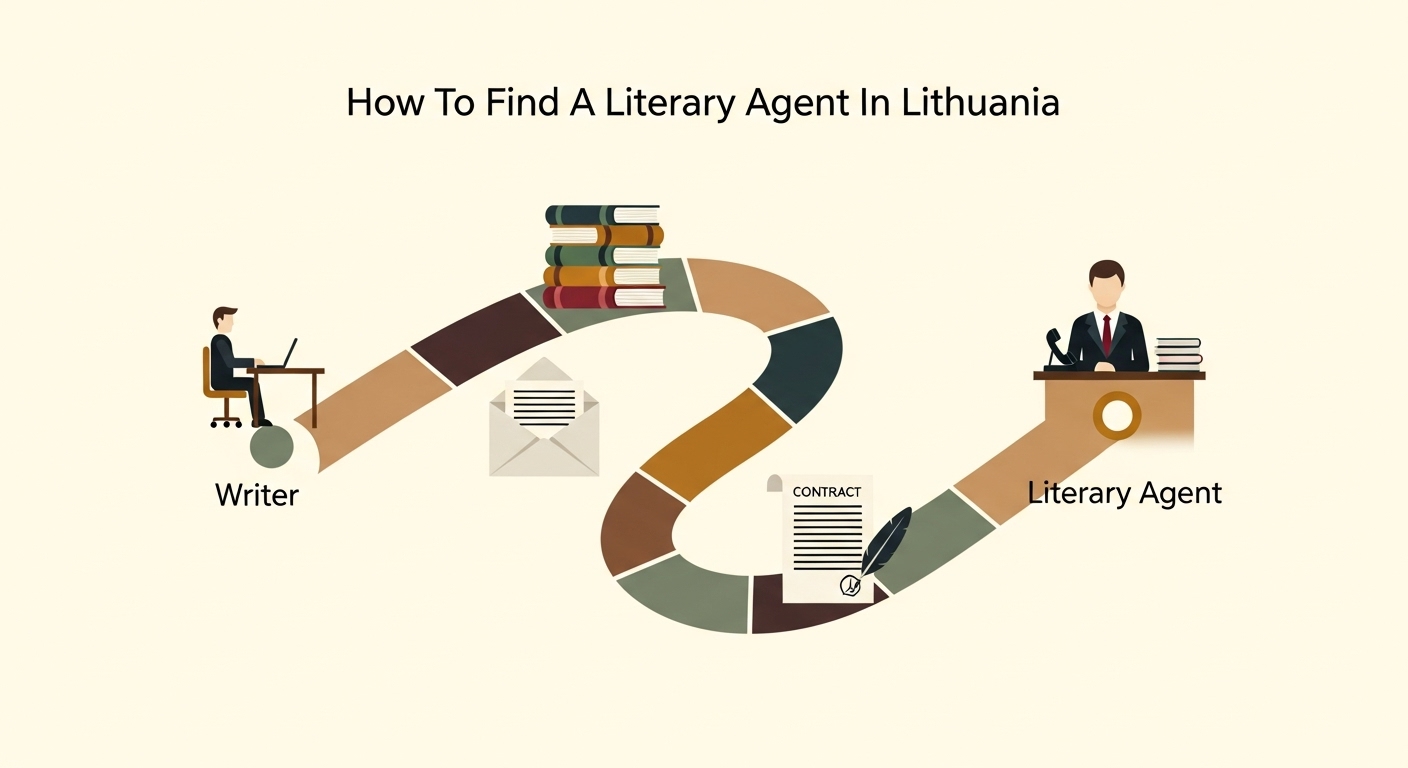
Finding a literary agent is one of the most important steps for writers who want to take their work beyond personal projects and into the professional publishing world. If you are an author looking to publish in or through Lithuania, the process may feel unfamiliar—especially if you are not fully aware of how the Lithuanian literary market operates. Unlike larger publishing hubs, Lithuania has a smaller but deeply respected literary ecosystem, with a strong focus on cultural value, quality writing, and international literary exchange.
This guide will walk you through everything you need to know about how to find a literary agent in Lithuania, from understanding the local publishing landscape to preparing your manuscript, approaching agents, and increasing your chances of representation.
The Structure of Lithuania’s Literary World
Lithuania has a rich literary tradition rooted in poetry, historical fiction, contemporary novels, and translated works. The country places strong emphasis on cultural preservation, literary festivals, and state-supported publishing initiatives. While the market is smaller than in English-dominant countries, it is highly selective and quality-driven.
Many Lithuanian publishers work directly with authors, but literary agents still play a crucial role, particularly for:
- International publishing deals
- Translation rights
- Literary grants and cultural programs
- Representation abroad
Agents in Lithuania often work across borders, collaborating with foreign publishers and cultural institutions. This makes them especially valuable for writers seeking wider exposure.
Do You Need a Literary Agent in Lithuania?
Not every writer in Lithuania works with an agent, but having one can significantly improve your career prospects. You are more likely to need an agent if:
- You want your book translated into other languages
- You aim to publish internationally
- You are writing literary fiction, nonfiction, or serious commercial work
- You want professional negotiation of contracts and rights
For poetry and niche literary works, direct submissions to publishers are sometimes accepted. However, for novels, nonfiction, and cross-border publishing, a literary agent is a major advantage.
What Lithuanian Literary Agents Look For
Literary agents in Lithuania are highly selective. They focus less on mass-market appeal and more on original voice, cultural relevance, and literary merit. That said, they are also interested in books that can succeed internationally.
Common qualities agents look for include:
- Strong narrative voice
- Well-developed characters or arguments
- Clear structure and professional editing
- Cultural depth with universal themes
- Market potential beyond Lithuania
Genres that tend to attract attention include literary fiction, historical fiction, memoirs, narrative nonfiction, children’s literature, and high-quality genre fiction.
Preparing Your Manuscript Before Contacting an Agent
Before approaching any literary agent, your manuscript must be fully polished. Lithuanian agents expect professionalism from the first interaction.
Key preparation steps include:
- Completing the manuscript (agents rarely accept unfinished work)
- Editing for clarity, grammar, and structure
- Ensuring consistent formatting
- Clarifying your genre and target audience
If your book is written in Lithuanian, it should be language-perfect. If it is written in English or another language, be prepared to explain its relevance to the Lithuanian or European market.
Writing a Strong Query Letter
Your query letter is your first impression. Lithuanian literary agents prefer concise, respectful, and informative communication.
A strong query letter should include:
- A brief introduction of yourself
- A clear summary of your book (one paragraph)
- Genre, word count, and intended audience
- Any relevant writing credentials or publications
- Why you believe your work suits the Lithuanian or international market
Avoid exaggerated claims or comparisons. Keep your tone confident but grounded.
Where to Find Literary Agents in Lithuania
Finding Lithuanian literary agents requires targeted research rather than mass submissions. Many agents work quietly, representing select clients and focusing on long-term careers.
Effective places to research include:
- National literary organizations and writer unions
- Cultural institutes and translation programs
- International book fairs where Lithuanian agents participate
- Acknowledgments pages in Lithuanian books
- Literary festivals and conferences
Some agents represent both Lithuanian and international authors, making them ideal for writers aiming to cross language and market boundaries.
Submitting Your Work: What to Expect
Once you submit your query and manuscript sample, patience is essential. Response times in Lithuania can be longer due to smaller agencies and cultural institutions handling multiple roles.
Possible outcomes include:
- Request for full manuscript
- Request for revisions
- Polite rejection
- Offer of representation
Rejections are common and not necessarily a reflection of your writing quality. Agents often decline projects simply because they do not fit their current focus.
Common Mistakes to Avoid
Many writers harm their chances unintentionally. Avoid these common errors:
- Submitting unfinished or unedited work
- Sending mass, generic queries
- Ignoring submission guidelines
- Overexplaining or overselling your book
- Being impatient or unprofessional in follow-ups
Lithuanian agents value professionalism, respect, and seriousness about craft.
How Literary Agents in Lithuania Work With Authors
Once represented, a Lithuanian literary agent typically helps with:
- Editorial feedback and revisions
- Matching your book with suitable publishers
- Negotiating contracts and advances
- Managing translation and foreign rights
- Advising on grants and cultural funding
The relationship is often long-term and built on trust. Agents invest time in developing your career rather than focusing on one-off deals.
Relevant Table: Key Aspects of Literary Agents in Lithuania
| Aspect | Details |
| Primary Focus | Literary quality, cultural value, international potential |
| Common Genres | Literary fiction, nonfiction, children’s books, poetry |
| Language Preferences | Lithuanian, English, translated works |
| Submission Method | Query letter + sample chapters |
| Market Reach | Local and international publishers |
| Role of Agent | Representation, rights management, career guidance |
Should You Write in Lithuanian or English?
This is a common question for writers connected to Lithuania. Writing in Lithuanian gives you cultural authenticity and access to national publishing programs. Writing in English increases international reach but requires a clear strategy.
Many Lithuanian agents work with both, especially if:
- The book has strong universal themes
- Translation is feasible
- The author understands the target market
Some authors choose to write in Lithuanian first and later pursue translation opportunities with agent support.
Building Long-Term Relationships in the Lithuanian Literary World
Lithuania’s literary community is relatively close-knit. Reputation matters. Being respectful, consistent, and engaged can open doors over time.
Ways to build presence include:
- Participating in literary events
- Applying for writing residencies
- Publishing short works in journals
- Networking with editors and translators
Agents often prefer writers who show long-term commitment to the craft rather than quick success.
How Long Does It Take to Get an Agent in Lithuania?
There is no fixed timeline. Some authors secure representation within months, while others take years. Factors include:
- Manuscript quality
- Market fit
- Timing and agent availability
- Your persistence and adaptability
The key is to keep improving your work while continuing to submit thoughtfully.
Final Thoughts
Finding a literary agent in Lithuania is not about volume or speed—it is about quality, preparation, and cultural awareness. The Lithuanian literary market values meaningful storytelling, professional conduct, and long-term artistic vision. While the path may feel slower than in larger markets, it often leads to deeper creative partnerships and lasting literary careers.
If you approach the process with patience, respect for the craft, and a willingness to refine your work, you significantly increase your chances of finding the right literary agent to represent you in Lithuania and beyond.
FAQs
Q: How do I know if my book is ready for a literary agent in Lithuania?
Your book is ready when it is fully written, carefully edited, and professionally formatted. Literary agents in Lithuania expect a polished manuscript, not a draft. If your story or nonfiction idea is clear, structured, and free from major language issues, you can confidently submit it.
Q: Can foreign writers find a literary agent in Lithuania?
Yes, foreign writers can work with Lithuanian literary agents, especially if their work has cultural relevance, international appeal, or translation potential. Many Lithuanian agents actively collaborate with international publishers and value cross-border literary projects.
Q: Do Lithuanian literary agents accept English-language manuscripts?
Some do, particularly if the book targets international markets or is suitable for translation. However, you should clearly explain why your English-language manuscript fits the Lithuanian or European literary landscape when submitting.
Q: How many agents should I query in Lithuania?
It is better to query a small, well-researched list of agents rather than sending mass submissions. Targeting agents who genuinely represent your genre and career goals improves your chances of receiving a meaningful response.
Q: How long should I wait before following up with a literary agent?
A waiting period of six to eight weeks is generally acceptable before sending a polite follow-up. If the agent’s submission guidelines specify a timeline, always respect it and avoid repeated messages.
