
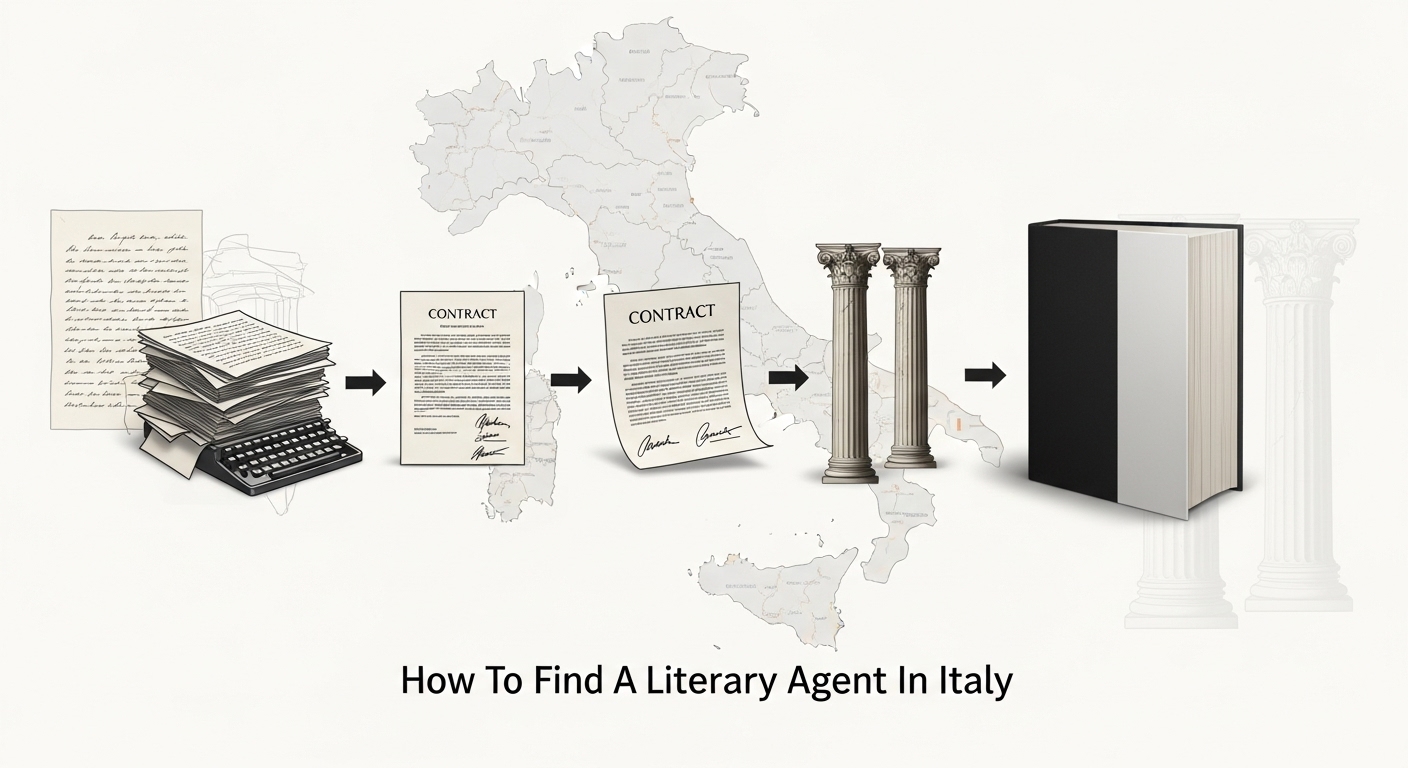
Finding the right literary agent in Italy can feel overwhelming, especially if you are new to the publishing world or writing from outside the country. Italy has a rich literary tradition, a competitive publishing market, and a very specific approach to agent–author relationships. Unlike some English-speaking markets, Italian agents tend to be highly selective and relationship-driven.
This guide will walk you step by step through how to find a literary agent in Italy, how the Italian publishing system works, what agents actually look for, and how you can position your manuscript for success—whether you write fiction, nonfiction, or translated works.
Understanding the Italian Publishing Landscape
Before approaching literary agents, it is essential to understand how publishing works in Italy.
Italy’s publishing industry is dominated by both large publishing groups and independent literary presses. Most traditional publishers do not accept unsolicited manuscripts directly, which makes literary agents a crucial gateway for serious writers.
Italian literary agents typically perform the following roles:
- Evaluate and refine manuscripts
- Pitch projects to suitable publishers
- Negotiate contracts and rights
- Manage foreign rights and translations
- Support long-term author careers
Unlike some markets where agents handle a large volume of clients, Italian agents often work with small, carefully curated author lists, which makes preparation especially important.
Do You Really Need a Literary Agent in Italy?
While it is technically possible to submit directly to small or independent Italian publishers, having an agent offers major advantages.
An agent:
- Opens doors to top Italian publishers
- Helps avoid unfair or restrictive contracts
- Negotiates better royalty terms
- Represents your work internationally
- Provides editorial guidance before submission
For writers aiming for major publishing houses, literary awards, or international distribution, an agent is not just helpful—it is often essential.
Genres That Italian Literary Agents Commonly Represent
Knowing whether your genre aligns with market demand will help you target the right agents.
Italian agents commonly represent:
- Literary fiction
- Historical fiction
- Crime, noir, and mystery
- Contemporary romance
- Young adult fiction
- Narrative nonfiction
- Memoir and biography
- Essays and cultural commentary
Genre fiction such as fantasy or science fiction exists in Italy but may require more targeted research, as fewer agents specialize in these categories.
How to Research Literary Agents in Italy
Research is the most important stage of the process.
Start by identifying agents who:
- Represent your genre
- Work with Italian publishers
- Accept submissions in Italian or English
- Have a history of selling similar books
You can find information through:
- Author acknowledgment pages in Italian books
- Publishing industry directories
- Writer associations and cultural institutions
- Literary fairs and book events
Make a shortlist rather than sending mass submissions. Italian agents value personalization and professionalism.
What Italian Literary Agents Look For in a Manuscript
Italian agents are selective, but they are not looking for perfection—they are looking for potential.
Key qualities they value include:
- Strong, original voice
- Clear narrative structure
- Cultural relevance or universal themes
- Market awareness
- Professional presentation
For nonfiction, agents focus heavily on:
- Author credibility
- Clear concept and structure
- Target audience
- Unique angle
Translation quality is also critical if your manuscript is not originally written in Italian.
Preparing Your Manuscript for the Italian Market
Preparation can make or break your submission.
Manuscript Language
If your goal is to publish in Italy, your manuscript should ideally be:
- Written in Italian, or
- Professionally translated into Italian
Some agents accept English submissions, especially for works intended for translation, but Italian is generally preferred.
Editing and Formatting
Ensure your manuscript is:
- Fully edited
- Properly formatted
- Free from grammatical and stylistic errors
A polished manuscript signals professionalism and respect for the agent’s time.
Writing a Strong Query Letter for Italian Agents
Your query letter is often your only chance to make a first impression.
A strong query letter should include:
- A concise introduction
- A clear summary of your book
- Genre, word count, and target audience
- Brief author biography
- Why you chose this specific agent
Italian agents appreciate clarity, politeness, and sincerity. Overly promotional language is usually discouraged.
Common Submission Requirements in Italy
While requirements vary, most Italian agents ask for a combination of the following:
| Submission Element | Description |
| Query Letter | Short, professional introduction to your project |
| Synopsis | 1–3 pages summarizing the entire book |
| Sample Chapters | Usually the first 30–50 pages |
| Author Bio | Relevant writing or professional background |
| Full Manuscript | Requested only if initial materials impress |
Always follow each agent’s individual guidelines carefully.
How Long Does It Take to Hear Back?
Response times in Italy can vary widely.
- Some agents respond within 4–8 weeks
- Others may take several months
- No response often means a polite rejection
Patience is essential. Avoid following up too frequently, as persistence is valued only when it is respectful.
Literary Agencies vs. Independent Agents in Italy
Italy has both well-established agencies and independent literary agents.
Established agencies:
- Have strong publisher connections
- Often handle foreign rights
- Are more selective
Independent agents:
- May offer more personalized attention
- Sometimes open to debut authors
- Can be more flexible with genres
Both can be excellent choices, depending on your goals and writing stage.
Attending Italian Literary Events and Book Fairs
Networking plays a significant role in the Italian literary world.
Major events include:
- National book fairs
- Literary festivals
- Writing conferences
- Cultural exhibitions
These events offer opportunities to:
- Meet agents in person
- Attend pitch sessions
- Learn about market trends
- Build long-term relationships
Even attending as a listener can help you understand how the industry operates.
Mistakes to Avoid When Approaching Italian Literary Agents
Many writers fail not because of talent, but because of avoidable mistakes.
Common errors include:
- Sending generic mass emails
- Ignoring submission guidelines
- Submitting unfinished manuscripts
- Overstating sales expectations
- Being impatient or confrontational
Professionalism matters as much as creativity in Italy’s literary culture.
What Happens After You Sign with an Italian Agent?
Once an agent agrees to represent you, the real work begins.
Your agent may:
- Suggest structural or stylistic revisions
- Help position your book for the market
- Submit it to selected publishers
- Negotiate contracts and rights
- Advise on future projects
Agent-author relationships in Italy often focus on long-term career development, not just a single book.
Can Foreign Writers Get Literary Agents in Italy?
Yes—foreign writers can and do find representation in Italy.
However, success depends on:
- Market relevance
- Translation quality
- Cultural sensitivity
- Clear publication goals
Many Italian agents are particularly interested in works with international appeal that can cross borders.
Building a Long-Term Writing Career in Italy
Finding a literary agent is not the final goal—it is the beginning of a professional journey.
To sustain your career:
- Continue improving your craft
- Stay informed about market trends
- Maintain professional communication
- Be open to feedback
- Think strategically about future projects
Consistency and adaptability are highly valued in the Italian publishing industry.
Final Thoughts
Finding a literary agent in Italy requires patience, preparation, and a deep understanding of the local publishing culture. While the process may seem slower and more selective than in some markets, it is also highly rewarding for writers who approach it professionally.
By researching carefully, preparing your manuscript thoughtfully, and communicating with clarity and respect, you significantly increase your chances of securing the right representation. Italy’s literary world values storytelling, originality, and commitment—qualities that, when paired with the right agent, can open the door to lasting success.
