
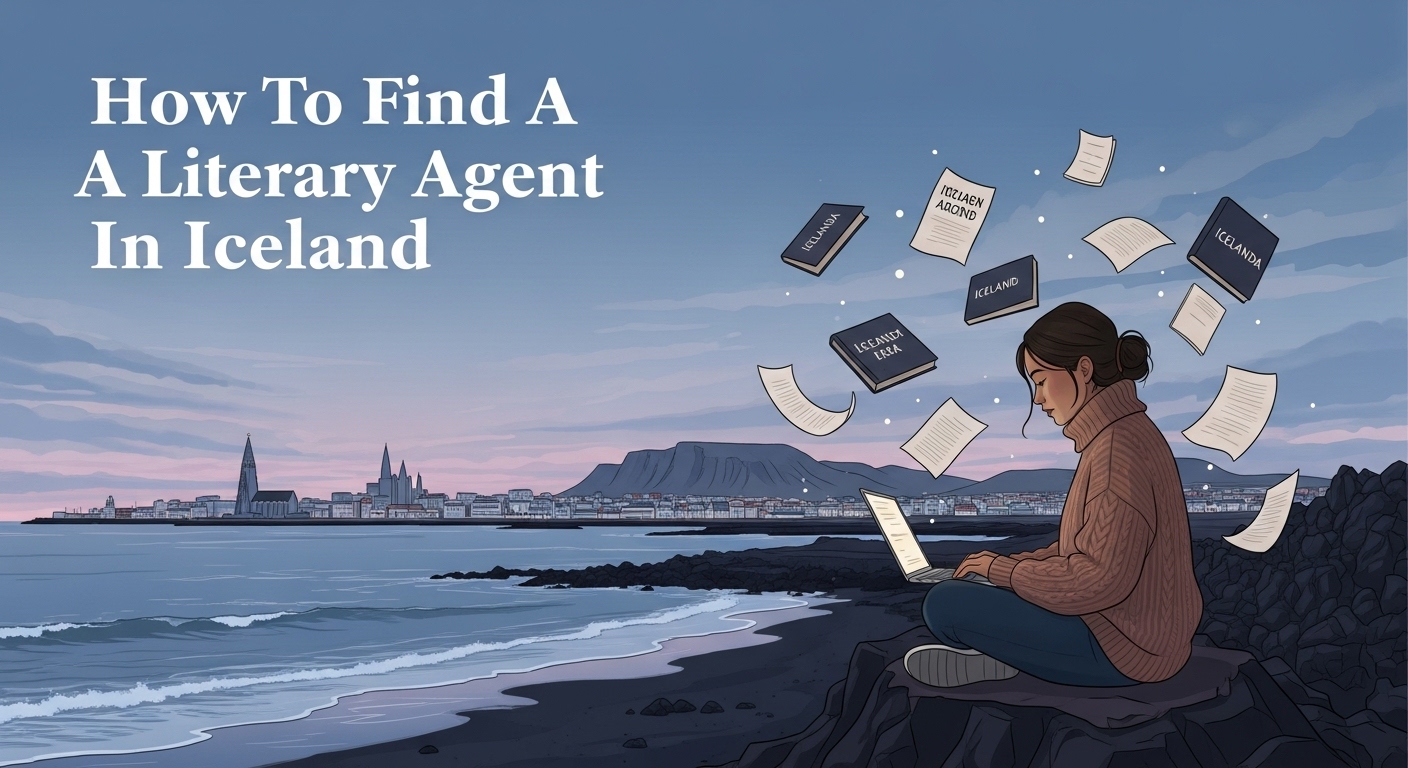
Finding the right literary agent can feel mysterious, especially when you’re looking beyond the big publishing hubs and into a unique, literature-rich country like Iceland. Known for its deep storytelling tradition, thriving literary scene, and global respect for authors, Iceland may be small in population, but it has an outsized presence in world literature. For writers who want representation connected to Nordic publishing, translation markets, and European presses, Iceland can be an excellent place to focus.
This guide walks you through how to find a literary agent in Iceland in a realistic, writer-to-writer tone. It covers how the Icelandic agent landscape works, where to look, how to prepare your work, and how to approach agents professionally and strategically.
An Inside Look at Iceland’s Literary and Publishing World
Before searching for an agent, it’s important to understand how Iceland’s publishing world differs from larger markets like the US or UK.
Iceland has one of the highest per-capita rates of book publishing in the world. Literature is woven into everyday life, from the famous Christmas book flood (Jólabókaflóð) to government and cultural support for the arts. Many Icelandic agencies don’t just represent local writers; they actively handle foreign rights, translation deals, and international publishing partnerships.
Unlike massive agencies elsewhere, Icelandic literary agencies are often smaller, more personal, and highly selective. This can work in your favor as a serious writer. Agents here tend to focus strongly on literary quality, originality, voice, and international potential rather than mass-market trends alone.
Because Icelandic publishers frequently work closely with agents, having the right representative can open doors not only within Iceland but also across Scandinavia and mainland Europe.
Decide Whether Iceland Is the Right Market for Your Work
Not every book is a natural fit for every market. Before approaching Icelandic agents, take a moment to evaluate your project honestly.
Icelandic agents are especially receptive to:
- Literary fiction and upmarket fiction
- Nordic-noir or psychological thrillers
- Myth-inspired, folklore-based, or atmospheric storytelling
- Strong character-driven novels
- Thoughtful nonfiction, memoir, and cultural or environmental works
- Children’s and YA stories with originality and emotional depth
If your writing leans toward introspective, cinematic, or thematically rich storytelling (which aligns well with what you’ve shared in past conversations), Iceland may be a particularly good match. Agents here often look for books that travel well across cultures and translate effectively.
Research Icelandic Literary Agents the Right Way
Research is not about collecting hundreds of names. It’s about identifying a small, relevant list and understanding who truly fits your work.
Start by building a focused shortlist. Look for agencies that:
- Explicitly represent fiction or nonfiction in your genre
- Handle foreign rights and international submissions
- Mention interest in new or emerging authors
- Have sold books to European or global publishers
As you research, study what kinds of authors they represent. Note tone, themes, and career paths. Some Icelandic agents specialize in literary fiction, others in crime, children’s books, or serious nonfiction.
Create a simple tracking document where you record:
- Agent or agency name
- Genres they represent
- Authors they work with
- Submission preferences
- Notes about why they fit your book
This alone immediately separates professional writers from casual submitters.
Use Literary and Cultural Networks
In Iceland, relationships matter deeply. While cold submissions are common, many writers find agents through community connections.
Consider exploring:
- Icelandic literary festivals and Nordic book events
- Writing residencies connected to Scandinavia
- Translation programs and international book fairs
- University literary departments and cultural organizations
- Interviews, podcasts, and panel discussions featuring agents
Even if you never attend in person, observing these spaces teaches you how Icelandic agents talk about books, what excites them, and what concerns them. That knowledge shapes how you present your own work.
If you ever interact directly with Icelandic editors, translators, or authors, treat those conversations seriously. Referrals and personal recommendations carry strong weight in smaller markets.
Prepare a Submission Package That Meets European Expectations
Your writing must speak first, but presentation matters.
Most Icelandic literary agents expect a clean, professional submission package that includes:
- A concise, compelling query letter
- A strong synopsis
- A polished manuscript sample (often the first three chapters or 30–50 pages)
- A brief author bio
Your query should communicate:
- What the book is about
- Why it matters
- Who it’s for
- Why you chose this agent
Icelandic agents often respond well to sincerity and clarity. If your story touches on identity, isolation, transformation, memory, environment, or human resilience, articulate that naturally.
Tailor Every Submission
One of the fastest ways to get ignored is sending generic messages.
When writing to an Icelandic agent, mention something specific:
- An author they represent
- A genre interest they’ve expressed
- A theme their agency often supports
- A statement they’ve made about literature
This shows respect. It also shows you are not scattering your manuscript blindly.
Tailoring doesn’t mean flattery. It means alignment. You’re saying, “I understand your work, and I believe my book belongs in that conversation.”
Be Strategic About Language and Translation
Many Icelandic agents work in both Icelandic and English. However, most expect international submissions to be in strong, professional English.
If your book is not in English, you should consider having at least a polished translated sample before querying. Agents need to judge voice, pacing, and emotional impact. Machine translation is not enough.
If your book is already in English, make sure the language quality is excellent. Icelandic agents often work closely with translators and editors, and they can quickly tell whether a manuscript is ready for that level.
Relevant Overview Table: Your Icelandic Agent Search Plan
| Step | Focus | What to Do | Outcome |
| Research | Market fit | Study Icelandic agencies, genres, and authors | Clear shortlist of suitable agents |
| Preparation | Materials | Polish manuscript, synopsis, and query | Professional submission package |
| Targeting | Personalization | Match your book to each agent’s interests | Higher response potential |
| Outreach | Submissions | Send tailored, respectful queries | Meaningful industry contact |
| Follow-up | Tracking | Record dates, responses, feedback | Organized long-term approach |
| Networking | Visibility | Engage with Nordic literary culture | Stronger positioning over time |
Crafting a Query That Appeals to Icelandic Agents
Your query letter should not feel like a sales pitch. It should feel like the beginning of a professional conversation.
A strong query usually includes:
- An opening hook – one or two lines capturing the emotional or thematic core of your book.
- A brief summary – what happens, who it follows, and what’s at stake.
- Context – genre, word count, and audience.
- Personal note – why this agent specifically.
- Author bio – short, relevant, honest.
Avoid long backstories. Avoid comparing yourself to global bestsellers. Focus on voice, story, and purpose.
Because Icelandic literary culture values depth, do not be afraid to touch on meaning, atmosphere, and emotional weight. These agents often care as much about how a book feels as about what happens.
Managing Expectations and Response Times
Icelandic agencies are small. Many handle international rights, festivals, and translation deals alongside submissions. Response times can vary widely.
Some agents reply within weeks. Others take months. Some never respond at all.
This is normal. It is not a reflection of your worth or potential.
While waiting:
- Continue writing new work
- Improve your craft
- Research additional agents
- Prepare alternative submission lists
Treat querying as one part of a long creative process, not the finish line.
What If an Agent Shows Interest?
If an Icelandic agent requests more material, respond promptly and professionally. Provide exactly what they ask for. Do not overshare. Do not pressure.
If they offer representation, they may want to discuss:
- Editing and development
- Translation strategy
- Submission targets
- Foreign rights and long-term goals
Prepare questions about how they work, how they communicate, and what they envision for your book internationally. A good agent relationship is not just about selling one manuscript. It is about shaping a career.
If You Receive Rejections
Rejections are inevitable. In smaller markets, competition can be intense.
When you receive one:
- Read it calmly
- Note any feedback
- Thank the agent (if appropriate)
- Move forward
Sometimes a rejection simply means the agent already represents something similar, is overloaded, or does not feel the project aligns with their current focus.
It is not a final verdict on your future.
Consider Parallel Paths
While pursuing Icelandic agents, it is wise to keep multiple paths open:
- Submitting to international agents with Nordic interests
- Entering literary competitions
- Connecting with translators
- Engaging with European small presses
- Building your writing portfolio
This not only increases opportunity, it strengthens your confidence and professional identity.
Final Thoughts
Finding a literary agent in Iceland is not about volume. It is about precision, patience, and respect for the literary culture you are stepping into.
Approach the process the way Iceland approaches storytelling: with care, craft, and depth.
Do the research. Prepare thoughtfully. Write honestly. And allow the right professional relationship to develop rather than forcing one.
For writers who value atmosphere, emotional truth, and meaningful narratives, Iceland can be more than a market. It can be a powerful creative bridge to the wider literary world.
