
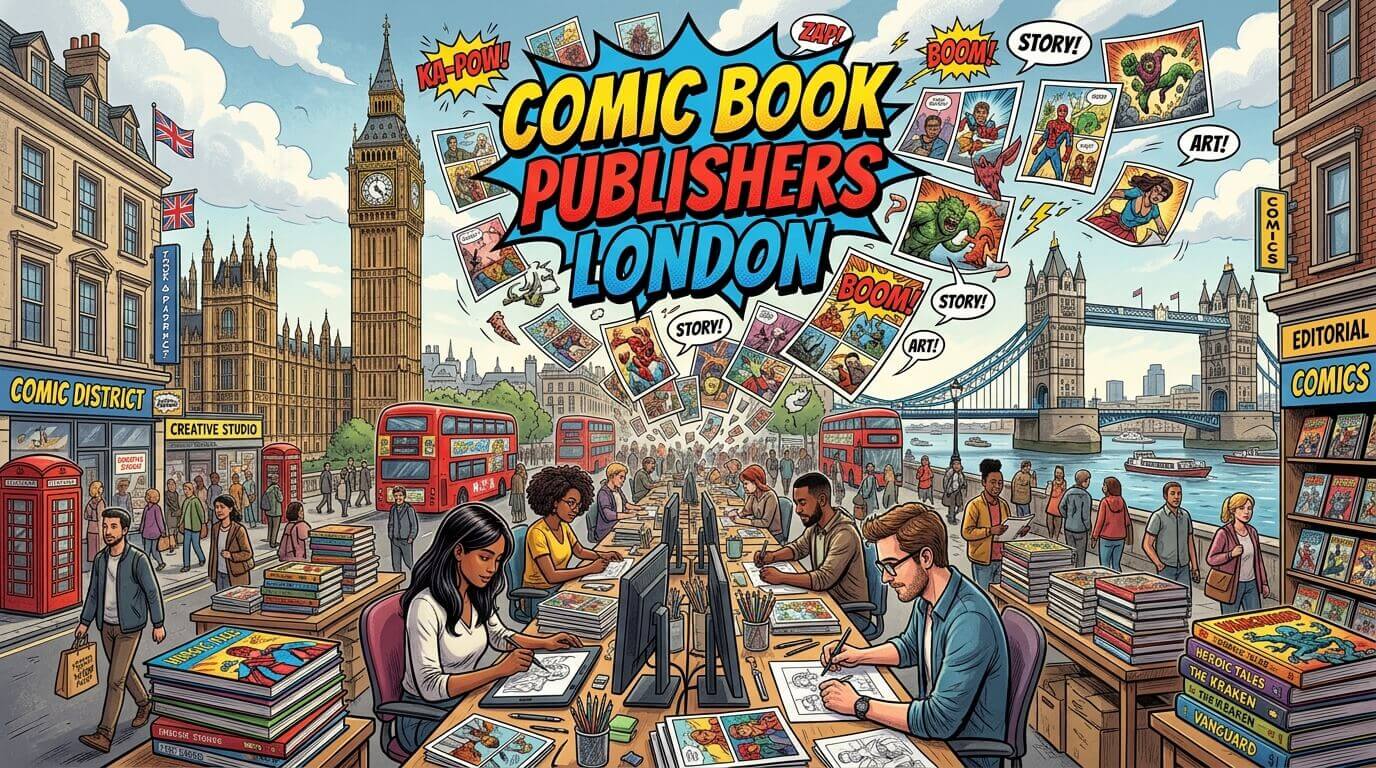
Comic books have long been an important part of British publishing culture, and nowhere is that more evident than in London. As the United Kingdom’s publishing capital, London serves as a hub for creative talent, independent presses, established publishing houses, graphic novel creators, illustrators, and comic book enthusiasts. From internationally recognized publishers producing bestselling graphic novels to independent comic presses championing new voices, London has developed into one of Europe’s most influential comic publishing centers.
The city’s comic book industry reflects the diversity and creativity of modern storytelling. While superheroes remain popular, London-based publishers increasingly embrace genres such as fantasy, science fiction, horror, historical fiction, memoir, crime, literary fiction, and educational comics. This broad approach has helped comics reach audiences of all ages and backgrounds.
For aspiring creators, writers, illustrators, and readers interested in understanding the comic book publishing landscape, London offers a unique ecosystem where traditional publishing expertise meets contemporary visual storytelling. This article explores the history, evolution, major publishers, opportunities, challenges, and future of comic book publishing in London.
Why London Has Become a Major Center for Comic Book Publishing
London’s position as a publishing powerhouse extends far beyond novels and newspapers. The city has cultivated a thriving comics culture thanks to its concentration of creative professionals, literary agents, publishing companies, art schools, and cultural institutions.
The city’s extensive publishing infrastructure provides comic publishers with access to experienced editors, designers, marketers, distributors, and printers. This concentration of expertise enables publishers to develop high-quality comic books and graphic novels that compete successfully in domestic and international markets.
London also benefits from its multicultural population, which encourages diverse storytelling perspectives. Modern comic readers increasingly seek narratives that reflect a variety of voices and experiences, and London publishers have responded by supporting creators from different backgrounds and communities.
Furthermore, the city’s numerous conventions, comic festivals, bookstores, and creative events create opportunities for publishers and creators to connect directly with readers. This active community helps sustain both established publishers and emerging independent presses.
The Evolution of Comic Publishing in London
Early Foundations of British Comics
The roots of comic publishing in London can be traced back to illustrated magazines and serialized stories that appeared during the nineteenth and early twentieth centuries. Publications featuring cartoons, humorous illustrations, and adventure stories laid the groundwork for what would later become the modern comic book industry.
As printing technology improved, publishers began experimenting with visual storytelling formats that combined sequential art with narrative text. These innovations gradually evolved into dedicated comic publications aimed at children and young adults.
Throughout the twentieth century, British comics developed their own identity, distinct from their American counterparts. While American comics often focused on superheroes, British comics frequently emphasized adventure, science fiction, humor, and social commentary.
The Rise of Graphic Novels
The emergence of graphic novels transformed comic publishing in London. Publishers increasingly recognized that comics could appeal to adult audiences and tackle sophisticated themes. Graphic novels explored topics ranging from politics and history to personal memoirs and literary adaptation.
This shift helped elevate comics from niche entertainment to a respected literary medium. London publishers played a significant role in introducing graphic novels to mainstream bookstores, libraries, and educational institutions.
Today, graphic novels represent one of the fastest-growing segments of the publishing industry, attracting readers who may not traditionally consider themselves comic fans.
Key Types of Comic Book Publishers in London
London’s comic publishing landscape includes a wide range of companies operating at different scales and serving diverse audiences.
| Publisher Type | Primary Focus | Typical Audience |
| Major Comic Publishers | Large-scale graphic novels and comic series | National and international readers |
| Independent Presses | Creator-owned and experimental projects | Niche and dedicated comic audiences |
| Children’s Comic Publishers | Educational and entertainment comics | Young readers |
| Graphic Novel Specialists | Literary and adult-focused graphic works | Mature readers |
| Educational Comic Publishers | Learning-focused visual content | Schools and educators |
| Digital Comic Publishers | Online and digital-first comics | Global digital audiences |
The Importance of Independent Comic Publishers
Supporting Emerging Talent
Independent publishers have become essential contributors to London’s comic ecosystem. These smaller presses often take creative risks that larger companies may avoid. By publishing debut creators and unconventional projects, independent publishers help introduce fresh voices to the industry.
Many successful comic creators began their careers with small independent publishers before gaining wider recognition. These publishers frequently prioritize artistic innovation over commercial predictability, resulting in a more diverse range of stories.
Encouraging Creative Freedom
Independent comic publishers often provide creators with greater control over their work. This freedom enables writers and artists to experiment with unique storytelling techniques, visual styles, and subject matter.
As readers increasingly seek original content, independent publishers continue to attract attention for their willingness to challenge industry conventions.
London’s Graphic Novel Revolution
The graphic novel market has experienced remarkable growth in recent years. London publishers have played a major role in this transformation by investing in high-quality graphic storytelling that appeals to both comic enthusiasts and mainstream readers.
Graphic novels have expanded the possibilities of visual storytelling. They combine literary depth with artistic expression, creating immersive reading experiences that differ from traditional prose books.
Publishers in London now release graphic novels covering a vast range of topics, including biographies, memoirs, historical events, political analysis, fantasy worlds, and contemporary social issues.
This diversity has helped graphic novels gain recognition within educational settings, literary awards, and academic studies.
Children’s Comics and Young Readers
A Growing Market
Children’s comics remain a significant segment of London’s publishing industry. Publishers recognize that comics can encourage reading engagement among young audiences by combining visual elements with accessible narratives.
Many educators and parents appreciate comics as valuable tools for developing literacy skills. The combination of text and imagery can make reading more approachable for reluctant readers while fostering creativity and imagination.
Educational Benefits
Comic books often introduce complex concepts in an engaging format. Educational comics can teach history, science, mathematics, and social studies while maintaining reader interest.
London publishers continue to develop innovative educational comics that support classroom learning and independent reading.
Diversity and Representation in Modern Comics
One of the most significant developments within London’s comic publishing industry has been the growing emphasis on diversity and representation.
Publishers increasingly seek stories that reflect a wide range of cultural experiences, identities, and perspectives. This commitment has led to greater visibility for creators and characters from historically underrepresented communities.
Readers now expect authentic storytelling that explores contemporary social realities while celebrating cultural diversity. London publishers have responded by actively supporting inclusive publishing initiatives and seeking new voices.
The result is a richer and more dynamic comic publishing landscape that resonates with broader audiences.
How Comic Book Publishers Discover New Creators
Portfolio Reviews
Many comic publishers evaluate artist portfolios when searching for new talent. Strong visual storytelling skills, character design, composition, and consistency are often more important than formal qualifications.
Publishers look for creators who demonstrate both technical ability and a unique artistic voice.
Script Submissions
Writers seeking publication typically submit scripts, story outlines, or completed comic proposals. Publishers assess narrative structure, dialogue, pacing, and originality when reviewing submissions.
Strong storytelling remains one of the most important factors influencing publication decisions.
Comic Conventions and Festivals
London hosts numerous comic-related events where publishers can discover emerging creators. These gatherings provide opportunities for networking, portfolio reviews, workshops, and industry discussions.
For aspiring creators, conventions often serve as valuable entry points into the publishing world.
The Role of Digital Publishing
Expanding Reader Access
Digital publishing has transformed how comics are distributed and consumed. Readers can now access comic books and graphic novels through smartphones, tablets, and computers.
London publishers increasingly embrace digital formats to reach international audiences and adapt to changing reading habits.
Digital publishing also reduces production and distribution costs, making it easier for smaller publishers to enter the market.
Opportunities for Independent Creators
The rise of digital platforms has empowered independent creators to publish their work directly to readers. Many creators build audiences online before securing traditional publishing contracts.
This shift has expanded opportunities for experimentation and innovation within the comic industry.
Challenges Facing Comic Book Publishers in London
Rising Production Costs
Like many sectors within publishing, comic book publishers face increasing costs associated with printing, distribution, and materials. High-quality comics require significant investment in artwork, editing, design, and production.
Publishers must carefully balance quality expectations with financial sustainability.
Market Competition
The entertainment landscape has become increasingly competitive. Comics compete not only with books but also with streaming services, video games, social media, and other forms of digital entertainment.
Publishers continually seek new ways to engage readers and maintain relevance in a crowded marketplace.
Discoverability
With thousands of new titles released annually, helping readers discover new comics remains a significant challenge. Publishers invest heavily in marketing, social media engagement, bookstore partnerships, and community outreach.
Building visibility often requires sustained effort and strategic promotion.
Comic Book Stores and Publishing Culture
London’s comic book stores play a crucial role in supporting publishers and creators. Independent bookstores often serve as cultural gathering spaces where readers can discover new titles and participate in events.
Book launches, signings, creator talks, and discussion groups help strengthen relationships between publishers and audiences.
These retail spaces contribute significantly to the health of the broader comic ecosystem by providing visibility for both mainstream and independent publications.
The Influence of London on Global Comics
London’s impact on global comic publishing extends beyond the United Kingdom. Many creators who began their careers in Britain have achieved international success, influencing comic industries worldwide.
The city’s publishers frequently collaborate with international partners, distribute books globally, and participate in major publishing events across Europe, North America, and Asia.
This international reach allows London-based publishers to introduce British perspectives to global audiences while incorporating influences from around the world.
The Future of Comic Book Publishing in London
Growing Acceptance of Graphic Storytelling
Graphic storytelling continues to gain recognition as a legitimate literary and artistic medium. Universities, libraries, schools, and literary organizations increasingly embrace comics and graphic novels.
This broader acceptance creates new opportunities for publishers to reach audiences previously overlooked by the industry.
Technological Innovation
Advancements in digital publishing, augmented reality, and interactive storytelling may reshape how comics are created and consumed in the future.
London publishers are likely to continue exploring innovative formats while preserving the core strengths of visual narrative storytelling.
Expanding International Markets
As global demand for graphic novels continues to grow, London publishers are well positioned to expand their international presence. The combination of creative talent, publishing expertise, and cultural diversity provides a strong foundation for future growth.
Publishers that successfully adapt to evolving reader preferences while maintaining high editorial standards will likely thrive in the years ahead.
Building a Career in London’s Comic Publishing Industry
For writers, artists, editors, and designers, London remains one of the most attractive locations for pursuing a career in comic publishing. The city offers access to professional networks, educational opportunities, industry events, and potential collaborators.
Success in comic publishing typically requires persistence, continuous improvement, and a willingness to engage with the broader creative community. Many professionals begin through independent projects, self-publishing, or freelance work before securing opportunities with established publishers.
As the industry continues evolving, creators who combine strong storytelling abilities with adaptability and professional commitment will remain highly sought after.
Conclusion
Comic book publishing in London represents a vibrant and constantly evolving sector of the creative industries. The city brings together a rich publishing heritage, diverse creative talent, innovative independent presses, and globally recognized publishing expertise. From children’s comics and graphic novels to experimental visual narratives and digital publications, London’s comic publishers continue to push the boundaries of storytelling.
The industry’s growth reflects changing reader expectations, increased appreciation for graphic literature, and the willingness of publishers to embrace new voices and formats. While challenges such as rising costs and market competition remain, the future of comic publishing in London appears promising. As visual storytelling continues to attract audiences worldwide, London is likely to remain one of the leading centers for comic book publishing, creativity, and innovation for years to come.
