
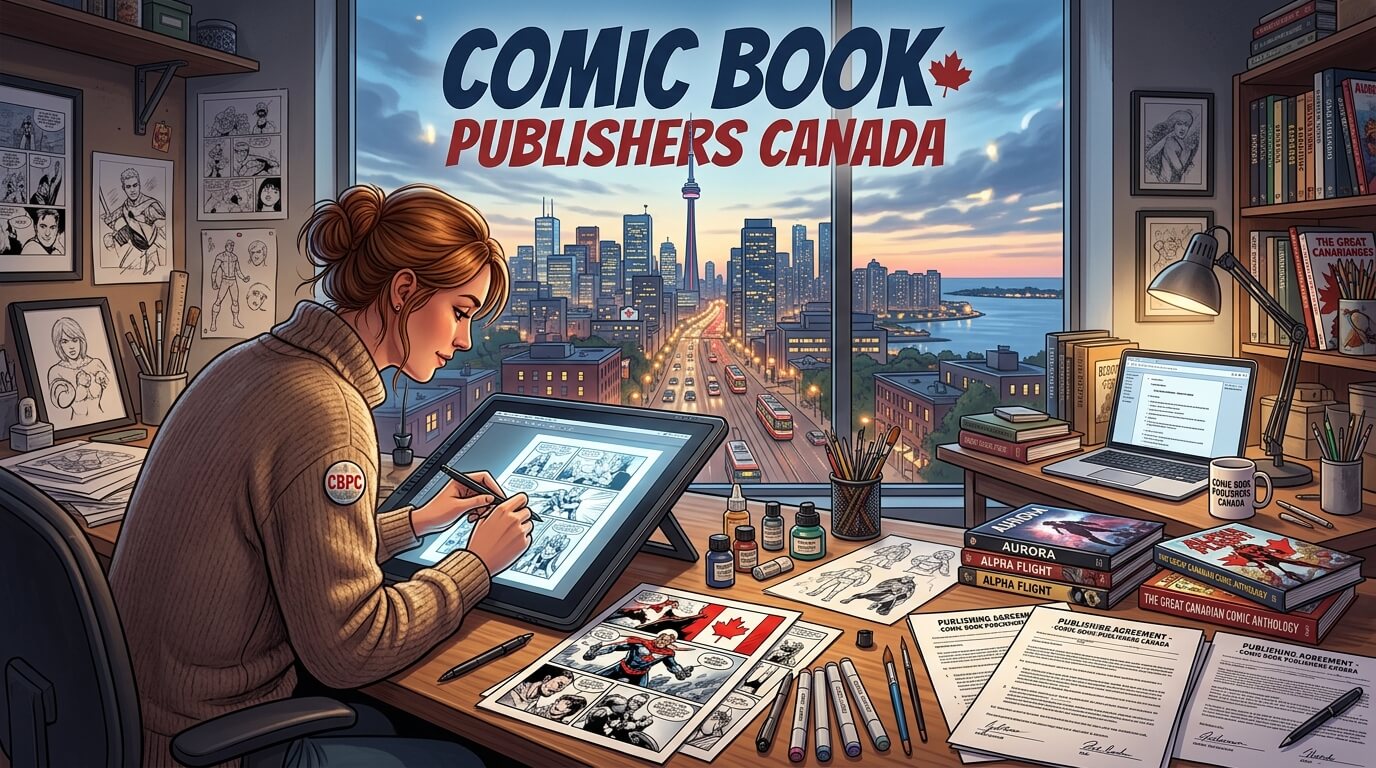
Canada has long been recognized as a country with a rich storytelling tradition. While many people associate the global comic book industry with the United States and Japan, Canada has quietly built a vibrant and influential comics ecosystem of its own. From independent graphic novel publishers to internationally recognized comic book companies, Canadian publishers have played a significant role in shaping modern comics culture.
Over the past two decades, the Canadian comic book industry has experienced remarkable growth. Graphic novels have become mainstream, comic conventions attract thousands of visitors annually, and Canadian creators continue to earn prestigious awards around the world. Publishers across the country are discovering new talent, experimenting with innovative storytelling formats, and creating opportunities for writers and artists who want to share unique perspectives.
For aspiring comic creators, understanding the Canadian publishing landscape is essential. Whether you have a superhero series, a fantasy epic, a memoir, or an educational graphic novel, finding the right publisher can significantly impact your project’s success. This guide explores the Canadian comic book publishing industry, highlights some of the most notable publishers, and explains how creators can navigate the publishing process.
The Growth of Canada’s Comic Book Industry
The history of Canadian comics stretches back decades, but the modern industry began gaining significant momentum during the graphic novel boom of the early 2000s. As bookstores expanded their graphic novel sections and libraries increased comic collections, publishers found new opportunities to reach diverse audiences.
Unlike larger comic markets that often focus heavily on superhero content, Canadian publishers have embraced a broad range of genres. Readers can find literary graphic novels, historical narratives, science fiction adventures, autobiographical works, horror stories, and children’s comics produced by Canadian companies.
This diversity has helped establish Canada as a creative hub where artists can experiment with storytelling techniques and visual styles. The country’s multicultural population has also contributed to a wider range of voices and perspectives within comics publishing.
Today, Canadian comic publishers distribute their books internationally, collaborate with creators worldwide, and continue to expand the reach of Canadian storytelling through both print and digital formats.
Understanding the Canadian Comic Publishing Landscape
One of the defining characteristics of Canada’s comic book industry is its diversity. Publishers vary significantly in size, focus, and publishing models. Some specialize in creator-owned works, while others produce licensed content or educational graphic novels.
Many Canadian publishers actively seek original submissions from writers and artists. This openness creates opportunities for emerging creators who may struggle to gain access to larger international publishers. Independent publishing remains especially strong in Canada, with numerous companies dedicated to nurturing creative freedom and artistic innovation.
The rise of crowdfunding platforms and digital distribution has further transformed the landscape. Publishers now have more flexibility in funding projects, reaching audiences, and supporting creators throughout the production process.
For creators, this means there are multiple paths to publication. Traditional publishing, hybrid models, independent presses, and digital-first strategies all play important roles within Canada’s comics ecosystem.
Leading Comic Book Publishers in Canada
The Canadian comic publishing scene includes a wide variety of companies, each with distinct strengths and publishing philosophies. Understanding these publishers can help creators identify the best fit for their projects.
Drawn & Quarterly
Based in Montreal, Drawn & Quarterly has earned an international reputation as one of the world’s most respected graphic novel publishers. Founded in 1989, the company focuses on literary comics, graphic memoirs, and artist-driven storytelling.
The publisher has introduced readers to numerous acclaimed cartoonists and continues to publish groundbreaking works that push the boundaries of the medium. Drawn & Quarterly is known for producing beautifully designed books that appeal to both comic enthusiasts and literary audiences.
Creators interested in personal narratives, experimental storytelling, or literary graphic novels often view Drawn & Quarterly as a dream publisher due to its commitment to artistic excellence and long-term author development.
Conundrum Press
Conundrum Press has become an important voice in Canadian independent publishing. The company specializes in innovative graphic novels and comics that explore contemporary issues, cultural identity, and unique artistic approaches.
Its catalog reflects a dedication to publishing diverse voices and unconventional stories. Many of the publisher’s titles have received critical acclaim for their creativity and social relevance.
Conundrum Press demonstrates how independent publishers can successfully champion emerging talent while maintaining high editorial standards.
Chapterhouse Comics
For readers who enjoy superhero stories and shared universes, Chapterhouse Comics represents a significant force within Canadian comics. The company has worked to revive and modernize classic Canadian superhero properties while developing original content.
Chapterhouse Comics aims to showcase Canadian heroes and stories on both national and international stages. Its publications often blend traditional superhero elements with contemporary themes and Canadian cultural influences.
The publisher’s efforts have contributed to renewed interest in Canadian superhero storytelling and expanded opportunities for creators working within the genre.
Renegade Arts Entertainment
Renegade Arts Entertainment has established itself as a publisher dedicated to creator-owned projects and diverse storytelling. The company publishes graphic novels, comic series, and illustrated works across multiple genres.
A defining characteristic of Renegade Arts is its support for unique creative voices. The publisher frequently collaborates with independent artists and writers who bring fresh perspectives to comics.
Through its commitment to innovation and inclusivity, Renegade Arts continues to strengthen Canada’s independent publishing sector.
Silver Sprocket’s Canadian Collaborations
Although not exclusively Canadian, many international publishers actively collaborate with Canadian creators. These partnerships help Canadian artists reach larger audiences while contributing to the global comics community.
Such collaborations highlight the growing influence of Canadian talent and demonstrate the international demand for Canadian storytelling.
How Canadian Publishers Support Emerging Creators
One of the most encouraging aspects of the Canadian comic book industry is its support for new talent. Many publishers actively seek submissions from first-time creators and provide opportunities that might be difficult to find elsewhere.
Emerging creators often benefit from mentorship, editorial guidance, and collaborative development processes. Rather than focusing solely on commercial viability, many Canadian publishers prioritize artistic potential and storytelling quality.
This approach allows creators to develop their skills while building professional relationships within the industry. For writers and artists who are passionate about long-term creative growth, Canada’s publishing environment can be particularly welcoming.
Publishers also frequently participate in comic conventions, literary festivals, and educational programs. These events create networking opportunities and help creators connect directly with industry professionals.
The Rise of Graphic Novels in Canada
Graphic novels have become one of the fastest-growing segments of the publishing industry, and Canada has played an important role in this expansion. Libraries, schools, and bookstores increasingly recognize graphic novels as valuable literary works capable of addressing complex themes and subjects.
Canadian publishers have responded by producing graphic novels for readers of all ages. Children’s graphic novels, young adult titles, and adult literary works now occupy significant space within publishing catalogs.
The educational sector has also embraced graphic storytelling. Teachers and librarians frequently use graphic novels to engage reluctant readers, teach historical events, and explore social issues.
As demand continues to grow, Canadian publishers are investing more resources into graphic novel development, creating additional opportunities for creators and expanding readership across demographics.
The Submission Process for Comic Book Publishers
Submitting a comic project to a publisher requires preparation, research, and patience. Every publisher has unique submission guidelines, and understanding these requirements can improve a creator’s chances of success.
Before submitting, creators should carefully review a publisher’s catalog. Examining previously published titles provides insight into the company’s editorial preferences and target audience.
A professional submission package typically includes a project overview, sample pages, character descriptions, and creator biographies. Visual presentation matters significantly because publishers need to evaluate both storytelling and artistic quality.
Publishers often receive a large volume of submissions, making competition intense. However, a well-developed project that aligns with a publisher’s mission can stand out regardless of a creator’s experience level.
Patience is essential during the review process. Response times can vary from several weeks to several months depending on the publisher’s workload and acquisition schedule.
Independent Publishing and Small Press Opportunities
Independent publishing remains a cornerstone of Canada’s comic book culture. Small presses continue to produce some of the country’s most innovative and critically acclaimed comics.
These publishers often prioritize artistic experimentation and creator autonomy. Without the commercial pressures faced by larger companies, small presses can take risks on unconventional projects and niche subjects.
Many successful creators begin their careers with independent publishers before expanding to larger markets. The experience gained through small press publishing can help creators refine their craft, build audiences, and establish professional credibility.
Independent publishers also contribute significantly to Canada’s cultural diversity by supporting voices and stories that may be underrepresented in mainstream publishing.
Digital Publishing and the Future of Comics
Digital technology has transformed how comics are created, distributed, and consumed. Canadian publishers have increasingly embraced digital platforms as part of their publishing strategies.
Digital publishing offers several advantages. It reduces production costs, enables global distribution, and provides immediate access to readers. For independent creators and smaller publishers, digital formats can remove many traditional barriers to entry.
Webcomics have become particularly influential. Many creators build substantial audiences online before securing publishing contracts or launching print editions. Publishers often monitor digital platforms to identify emerging talent and successful projects.
As technology continues to evolve, digital and print publishing are likely to coexist rather than compete. Readers increasingly appreciate the convenience of digital access while still valuing the physical experience of printed graphic novels.
Challenges Facing Canadian Comic Publishers
Despite its growth, the Canadian comic publishing industry faces several challenges. Market competition remains intense, particularly when competing with major American and international publishers.
Distribution can also be difficult, especially for smaller publishers with limited resources. Reaching national and international audiences requires strategic partnerships and effective marketing efforts.
Financial sustainability presents another challenge. Producing high-quality comics involves significant investments in writing, artwork, editing, design, printing, and promotion. Publishers must balance creative ambitions with economic realities.
The rapidly changing media landscape adds additional complexity. Publishers must continuously adapt to evolving reader preferences, technological innovations, and market trends.
Nevertheless, many Canadian publishers have demonstrated remarkable resilience by embracing innovation, fostering community engagement, and maintaining strong relationships with creators and readers.
Canadian Comic Conventions and Industry Events
Comic conventions play a vital role in Canada’s publishing ecosystem. These events bring together publishers, creators, retailers, and fans while creating opportunities for networking and professional development.
Major conventions across Canada showcase new releases, host creator panels, and facilitate direct interaction between publishers and audiences. For aspiring creators, conventions provide valuable opportunities to receive feedback, pitch projects, and build industry connections.
Industry events also contribute to the visibility of Canadian comics. By celebrating local talent and promoting new publications, conventions help strengthen the overall health of the publishing community.
Many publishers use these gatherings to discover emerging creators, making them an important component of the industry’s talent development pipeline.
A Comparison of Major Canadian Comic Book Publishers
| Publisher | Headquarters | Primary Focus | Best Known For |
| Drawn & Quarterly | Montreal, Quebec | Literary Graphic Novels | Internationally acclaimed author-driven works |
| Conundrum Press | Nova Scotia | Independent Graphic Novels | Experimental and diverse storytelling |
| Chapterhouse Comics | Ontario | Superhero Comics | Canadian superhero properties |
| Renegade Arts Entertainment | Ontario | Creator-Owned Comics | Diverse genres and independent voices |
| Pow Pow Press | Montreal, Quebec | Graphic Novels | Contemporary Canadian stories |
| Koyama Press (Legacy Influence) | Toronto, Ontario | Alternative Comics | Supporting emerging creators |
| Bedside Press | Ontario | Anthologies and Graphic Works | Inclusive and innovative publications |
What Creators Should Look for in a Publisher
Choosing the right publisher involves more than simply securing a publishing contract. Creators should evaluate editorial support, marketing capabilities, distribution networks, and overall compatibility with their creative goals.
A publisher’s track record can reveal valuable information about its ability to promote books and support creators throughout the publishing process. Understanding contract terms, royalty structures, and intellectual property rights is equally important.
The strongest publishing relationships are built on shared vision and mutual respect. Creators should seek publishers that understand their work and demonstrate genuine enthusiasm for their projects.
Taking time to research potential publishing partners can lead to better outcomes and more rewarding professional experiences.
Conclusion
Canada’s comic book publishing industry continues to evolve, offering exciting opportunities for creators and readers alike. From internationally respected literary publishers to dynamic independent presses and superhero-focused companies, the country’s publishing landscape reflects remarkable creativity and diversity.
Canadian publishers have helped elevate graphic storytelling as a respected literary and artistic medium. Their commitment to nurturing talent, supporting innovation, and embracing diverse voices has strengthened both the national and international comics community.
For aspiring creators, Canada offers a welcoming environment filled with possibilities. Whether pursuing traditional publication, independent press opportunities, or digital-first strategies, creators can find pathways that align with their artistic goals.
As graphic novels and comics continue gaining cultural significance worldwide, Canadian publishers remain well-positioned to shape the future of the medium. Their dedication to storytelling, artistic excellence, and creative freedom ensures that Canada’s influence on the global comics industry will continue to grow for years to come.
