
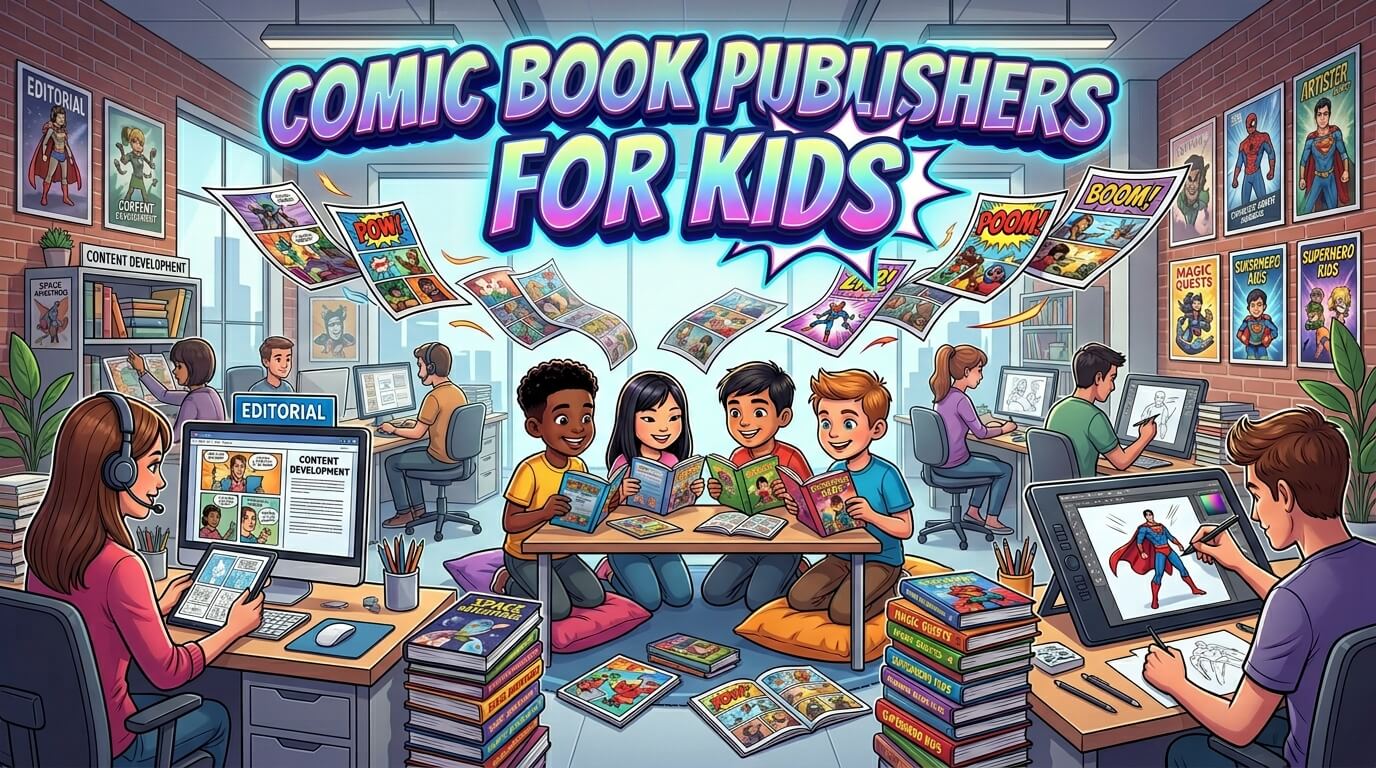
Comic books have long been one of the most effective ways to encourage children to read. Combining colorful artwork with engaging storytelling, comics create a reading experience that feels exciting, accessible, and memorable. For many children, comic books serve as a bridge between picture books and traditional novels, helping them develop literacy skills while nurturing creativity and imagination.
Over the last two decades, the children’s comic book market has experienced remarkable growth. Publishers have recognized that young readers are eager for stories that reflect their interests, challenges, dreams, and adventures. As a result, the industry now offers a wide range of comics designed specifically for kids, from educational graphic novels and fantasy adventures to humorous slice-of-life stories and superhero tales.
Parents, educators, librarians, and aspiring comic creators often wonder which publishers are leading the way in children’s comics. Understanding the role of comic book publishers for kids can help readers discover age-appropriate content while helping writers and artists identify potential publishing opportunities.
This guide explores the world of children’s comic book publishing, examines what makes a great kids’ comic publisher, and highlights some of the most respected publishers serving young audiences today.
Why Children’s Comic Books Continue to Thrive
Children’s comic books occupy a unique space in modern publishing. Unlike traditional books, comics engage multiple forms of learning simultaneously. Readers process visual information, follow narrative structures, interpret dialogue, and connect images with text.
The rise of graphic novels in schools and libraries has further accelerated interest in children’s comics. Educators increasingly recognize that comics can improve reading comprehension, support reluctant readers, and foster a lifelong love of books.
Today’s young readers are also growing up in a highly visual world. They consume stories through films, animation, games, and digital media. Comic books naturally align with these preferences while still encouraging active reading and imagination.
Publishers have responded by investing heavily in children’s graphic novels and comic series, creating an industry that is more diverse, innovative, and successful than ever before.
What Makes a Great Comic Book Publisher for Kids?
Not every comic publisher specializes in children’s content. The most successful publishers for young readers understand the developmental needs, interests, and reading abilities of different age groups.
A strong children’s comic publisher focuses on storytelling that is both entertaining and meaningful. The best comics offer engaging plots while also addressing themes such as friendship, courage, empathy, self-discovery, and resilience.
Artwork also plays a critical role. Young readers are naturally drawn to expressive characters, vibrant illustrations, and clear visual storytelling. Publishers must carefully balance artistic creativity with readability.
Safety and age appropriateness are equally important. Parents and educators rely on publishers to provide content that aligns with children’s emotional and intellectual maturity levels.
Another key factor is diversity. Modern publishers increasingly strive to represent different cultures, backgrounds, family structures, and perspectives, helping children see themselves reflected in the stories they read.
The Growth of Graphic Novels in Children’s Publishing
The success of graphic novels has transformed the publishing landscape. What was once considered a niche category has become one of the fastest-growing segments of children’s literature.
Publishers have discovered that graphic novels appeal to a broad range of readers. Children who struggle with traditional novels often find comics less intimidating and more engaging. Meanwhile, strong readers enjoy the depth and visual creativity that graphic storytelling provides.
Libraries and schools have embraced graphic novels as valuable educational resources. This institutional support has encouraged publishers to expand their children’s comic offerings and invest in new creators.
The result is a thriving market filled with innovative stories designed specifically for young audiences.
Leading Comic Book Publishers for Kids
The children’s comic publishing industry includes both major publishing houses and independent presses. Each contributes something unique to the market.
Scholastic Graphix
Scholastic Graphix has become one of the most influential publishers of children’s graphic novels. The imprint has introduced countless young readers to comics through bestselling titles that combine engaging narratives with accessible artwork.
Graphix is particularly known for publishing books that appeal to middle-grade readers. Their catalog includes adventure stories, realistic fiction, fantasy worlds, and humorous tales that resonate with children across different age groups.
Many educators praise Graphix titles for encouraging independent reading and improving literacy engagement among young readers.
First Second Books
First Second Books has earned a reputation for producing high-quality graphic novels for children and young adults. The publisher focuses on strong storytelling, artistic excellence, and meaningful themes.
Their children’s catalog includes educational comics, historical narratives, fantasy adventures, and contemporary stories. The publisher often collaborates with talented creators who bring unique perspectives to the medium.
First Second’s commitment to literary quality has helped elevate graphic novels within the broader publishing industry.
DC Kids
DC Comics is famous for its iconic superheroes, but DC Kids specifically caters to younger audiences. Through age-appropriate adaptations and original stories, the publisher introduces children to beloved characters while ensuring content remains suitable for younger readers.
These comics allow children to explore superhero adventures without encountering the darker themes often present in adult-oriented comic books.
The familiar characters and exciting action make DC Kids a popular entry point for young comic readers.
Marvel Press
Marvel’s influence extends beyond mainstream superhero comics through its children’s publishing initiatives. Marvel Press creates books and comics designed for younger audiences, featuring popular heroes in kid-friendly adventures.
Young readers enjoy seeing recognizable characters navigate exciting stories tailored to their age group. These comics often emphasize teamwork, perseverance, and responsibility while maintaining the excitement that has made Marvel famous worldwide.
Papercutz
Papercutz specializes in comics and graphic novels for children and families. The publisher has built an impressive catalog that includes original series, licensed properties, and adaptations of classic stories.
Their books often feature humor, mystery, adventure, and educational themes. Papercutz is particularly successful at creating comics that appeal to both independent readers and families reading together.
The publisher’s commitment to age-appropriate storytelling has made it a trusted name among parents and educators.
Andrews McMeel Kids
Andrews McMeel has expanded significantly into children’s graphic novels and comics. The publisher focuses on fun, engaging stories that capture the imagination of young readers. Their catalog includes humorous comics, fantasy adventures, and contemporary stories that reflect modern childhood experiences.
The publisher’s emphasis on creativity and accessibility helps make comics approachable for new readers.
Random House Graphic
Random House Graphic has quickly become a major force in children’s graphic publishing. The imprint publishes graphic novels that appeal to middle-grade and young adult audiences while maintaining high editorial and artistic standards.
Their books often explore themes of identity, friendship, growth, and adventure through visually compelling storytelling.
Many of their titles have received critical acclaim and educational recognition.
Comparison of Popular Comic Book Publishers for Kids
| Publisher | Primary Audience | Popular Genres | Known For |
| Scholastic Graphix | Ages 8–14 | Adventure, Humor, Realistic Fiction | Bestselling middle-grade graphic novels |
| First Second Books | Ages 8–16 | Educational, Fantasy, Historical | Literary-quality graphic novels |
| DC Kids | Ages 6–12 | Superhero, Adventure | Child-friendly superhero stories |
| Marvel Press | Ages 6–12 | Superhero, Action | Accessible Marvel adventures |
| Papercutz | Ages 6–14 | Humor, Mystery, Adventure | Family-friendly comics |
| Andrews McMeel Kids | Ages 7–14 | Comedy, Fantasy | Creative and engaging graphic stories |
| Random House Graphic | Ages 8–16 | Contemporary, Fantasy, Adventure | Award-winning graphic novels |
How Publishers Decide Which Comics to Publish
Children’s comic publishers receive submissions from writers, artists, literary agents, and creative teams throughout the year. However, selecting projects involves a highly competitive evaluation process.
Editors look for stories that offer strong emotional connections, memorable characters, and compelling visual narratives. Since children’s comics must balance artwork and storytelling, publishers often evaluate both elements together.
Market demand also plays a significant role. Publishers analyze current trends while searching for stories that offer something fresh and distinctive.
Educational value can further enhance a project’s appeal. While entertainment remains essential, many publishers appreciate stories that subtly encourage learning, empathy, or personal growth.
Ultimately, successful children’s comics combine creativity, readability, and marketability in ways that resonate with young audiences.
The Importance of Age Categories in Children’s Comics
One of the defining characteristics of children’s comic publishing is age segmentation. Publishers carefully categorize content based on developmental stages. Early readers typically benefit from simple narratives, large illustrations, and limited text. Comics for this age group focus on clarity, humor, and visual engagement.
Middle-grade readers are often ready for more complex plots and character development. Publishers create stories that challenge readers intellectually while remaining accessible and entertaining. Older children and young teens may explore graphic novels with deeper themes, more sophisticated storytelling, and richer emotional complexity.
Understanding these distinctions helps publishers create content that meets readers where they are developmentally.
Educational Benefits of Children’s Comic Books
Comic books offer educational advantages that extend beyond entertainment.
Reading comics strengthens vocabulary development by exposing children to new words within contextual visual settings. The combination of images and text can make unfamiliar language easier to understand.
Comics also encourage sequential thinking. Readers learn to follow story progression through panels, understand cause-and-effect relationships, and interpret visual cues. Visual literacy represents another important benefit. In an increasingly image-driven world, the ability to analyze and understand visual information is a valuable skill.
Many educational comics introduce complex subjects such as science, history, mathematics, and social studies in ways that feel engaging rather than intimidating. Publishers increasingly recognize these benefits and continue developing educational comic content for schools and libraries.
Diversity and Representation in Children’s Comics
Modern comic publishers have made significant efforts to increase diversity within children’s literature.
Young readers benefit from seeing characters who reflect different cultures, ethnicities, abilities, family structures, and life experiences. Representation helps children feel seen while encouraging empathy and understanding among readers from different backgrounds.
Publishers are actively seeking creators who bring authentic voices and perspectives to their stories. This has resulted in a broader range of narratives that better reflect the diversity of contemporary society. The movement toward inclusivity has enriched children’s comics, creating stories that resonate with wider audiences and provide meaningful experiences for readers.
Digital Comics and the Future of Children’s Publishing
Technology has expanded the ways children access comics. Digital platforms now allow publishers to reach readers through tablets, smartphones, and dedicated reading devices. While print comics remain highly popular, digital formats offer additional convenience and accessibility. Interactive features, enhanced navigation, and digital libraries make comics easier to discover and enjoy.
Publishers are increasingly adopting hybrid strategies that combine print and digital distribution. This approach helps them serve readers with different preferences while expanding their global reach. The future of children’s comic publishing will likely involve continued innovation in both formats, ensuring that young readers can enjoy stories wherever and however they choose.
Opportunities for Aspiring Children’s Comic Creators
The growing popularity of children’s comics has created exciting opportunities for writers and artists. Publishers are constantly searching for fresh voices capable of creating memorable stories for young audiences.
Aspiring creators should focus on understanding children’s interests, reading habits, and developmental needs. Studying successful comics can provide valuable insights into pacing, visual storytelling, and character development.
Many publishers accept submissions through literary agents, while others offer direct submission opportunities during specific periods.
Building a strong portfolio remains essential. Writers benefit from developing polished scripts, while artists should create samples that demonstrate storytelling ability rather than simply showcasing technical skills.
The expanding market means there is room for innovative ideas that bring something new to children’s comic publishing.
How Parents Can Choose the Right Comic Publisher
Parents often feel overwhelmed by the variety of comics available today. Understanding the strengths of different publishers can simplify the selection process. Some publishers focus heavily on educational content, while others emphasize humor, adventure, or fantasy. Matching a child’s interests with the right publisher can significantly enhance reading enjoyment.
Reviewing age recommendations is equally important. Publishers generally provide guidance regarding appropriate readership levels, helping parents make informed decisions. Libraries, teachers, and booksellers can also offer valuable recommendations based on a child’s reading ability and interests.
The goal is not simply finding comics that children will read, but finding stories that inspire curiosity, creativity, and a lasting appreciation for literature.
The Lasting Impact of Children’s Comic Book Publishers
Comic book publishers for kids play a vital role in shaping the reading experiences of future generations. Through imaginative storytelling, compelling artwork, and thoughtful content, these publishers help children develop literacy skills, creativity, empathy, and confidence.
The growth of children’s comics demonstrates that young readers continue to seek stories that entertain while helping them understand the world around them. Publishers such as Scholastic Graphix, First Second Books, DC Kids, Marvel Press, Papercutz, Andrews McMeel Kids, and Random House Graphic have contributed significantly to this evolution, creating books that inspire millions of readers.
As the industry continues to expand, children’s comic publishing will remain an important force in education, entertainment, and cultural storytelling. Whether a child dreams of becoming a superhero, exploring distant worlds, solving mysteries, or simply sharing laughs with memorable characters, there is a comic book publisher dedicated to bringing those stories to life. The future of children’s comics looks brighter than ever, ensuring that new generations of readers will continue discovering the magic that unfolds between the panels of a great comic book.
