
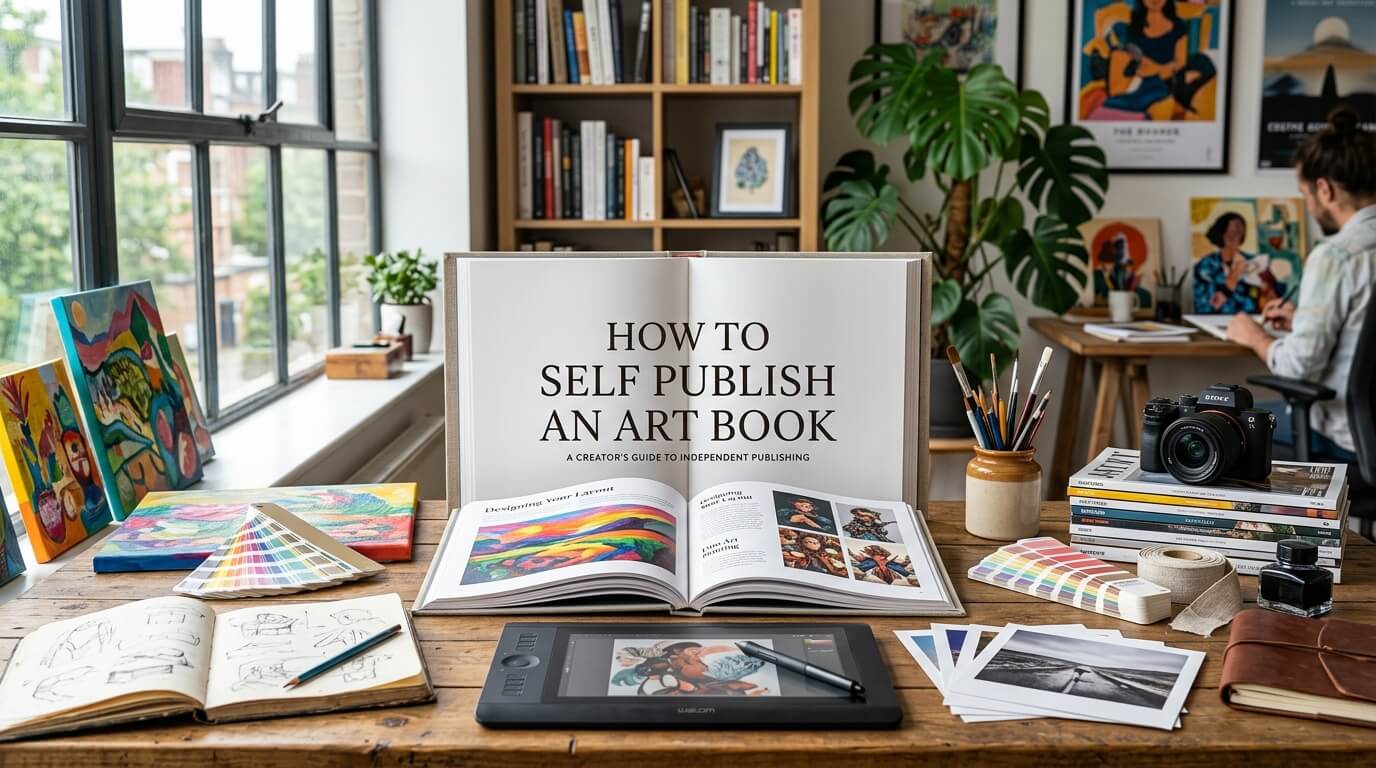
Art books occupy a unique place in publishing. Unlike traditional novels or nonfiction titles that rely primarily on text, art books communicate through imagery, design, layout, and visual storytelling. Whether you are a painter, illustrator, photographer, digital artist, sculptor, or mixed-media creator, publishing an art book allows you to preserve your work, showcase your creative journey, and share your artistic vision with a wider audience.
The rise of self-publishing has transformed opportunities for artists around the world. In the past, creating an art book often required securing a publishing contract, attracting gallery representation, or obtaining funding from institutions. Today, artists can independently create professional-quality books and distribute them globally through modern publishing platforms.
However, self-publishing an art book involves much more than collecting artwork and placing it on pages. Every aspect of the book, from image quality and color accuracy to layout design and printing choices, contributes to the final experience readers will have with your work. A thoughtfully produced art book can become both a creative statement and a lasting portfolio.
This guide explores the complete process of self-publishing an art book, helping artists navigate everything from concept development and image preparation to printing, marketing, and long-term sales.
What Sets an Art Book Apart
An art book is fundamentally different from most other publishing projects because visuals drive the reader’s experience. While a novel depends on words and storytelling, an art book relies on images, composition, texture, and presentation.
Readers expect an art book to offer more than a collection of artwork. They often want insight into the artist’s process, inspiration, techniques, and creative evolution. Some art books function as portfolios, while others document a specific series, exhibition, project, or artistic theme.
Because visuals are the primary focus, production quality becomes especially important. Factors such as paper stock, image resolution, color reproduction, binding style, and page design directly influence how the artwork is perceived.
Before beginning the publishing process, it is essential to understand the purpose of your art book. Some artists create books to accompany gallery exhibitions, while others use them to strengthen their professional portfolios. Many artists publish books as products for fans and collectors, while some create educational resources for students and fellow creatives.
Identifying your primary objective helps shape every decision that follows.
Defining the Vision for Your Art Book
The strongest art books are built around a clear concept rather than a random collection of images.
Readers appreciate books that tell a visual story or explore a cohesive theme. A carefully curated book creates emotional engagement and demonstrates artistic maturity.
Consider the narrative behind your work. Perhaps your paintings explore urban landscapes, environmental issues, cultural heritage, or personal identity. Maybe your photography documents travel experiences or captures the changing character of a city. Your book should provide a structured journey through that creative vision.
Rather than asking which artworks you want to include, ask what story you want readers to experience.
The answer will guide your image selection, chapter organization, written content, and overall design.
Determining Your Target Audience
Every successful publishing project begins with understanding its audience.
An art book intended for gallery collectors will differ significantly from one aimed at students, hobbyists, or general readers. Professional collectors often value premium production quality and limited editions, while educational audiences may appreciate detailed commentary and process explanations.
Knowing who will purchase your book helps determine factors such as format, pricing, marketing strategy, and distribution channels. Artists sometimes make the mistake of trying to appeal to everyone. In reality, art books tend to perform better when they serve a clearly defined audience.
Planning the Structure of Your Art Book
A well-organized structure transforms a collection of images into a compelling publication.
Although there is no single formula for creating an art book, most successful projects include a logical progression that guides readers through the work.
The opening section often introduces the artist, the concept behind the collection, and the creative context. The main body typically showcases the artwork itself, while concluding sections may include reflections, artist statements, exhibition histories, or project notes.
The organization can be chronological, thematic, conceptual, or narrative.
For example, a painter documenting ten years of work might organize pieces by year, illustrating artistic development over time. A photographer exploring environmental themes may divide images into categories representing different ecosystems or locations.
The structure should support the story your artwork is telling.
Selecting the Right Artwork
One of the most challenging parts of creating an art book is deciding what to leave out.
Many artists become emotionally attached to every piece they create, but a successful book requires careful curation. Including too many works can dilute the impact of stronger pieces and overwhelm readers.
The goal is not to display everything you have ever created. The goal is to create the strongest possible collection.
Evaluate each piece based on quality, relevance, and contribution to the overall narrative. Every image should earn its place within the book.
Curating artwork objectively can be difficult, which is why many artists seek feedback from trusted peers, mentors, designers, or curators during this stage.
A smaller collection of exceptional work often creates a more powerful impression than a larger collection with inconsistent quality.
Preparing High-Resolution Images
Image quality is the foundation of any professional art book.
Even extraordinary artwork can appear disappointing if images are poorly captured or improperly prepared for print.
Paintings, drawings, and physical artwork should be professionally photographed or scanned at high resolution. Digital artists should export files at print-ready specifications.
Most printers recommend images with a resolution of at least 300 DPI at their final print size. Lower resolutions may appear blurry, pixelated, or lacking in detail.
Color accuracy is equally important. Colors displayed on screens often differ from printed results. Professional color correction ensures that the printed artwork closely matches the original.
Investing time in image preparation significantly improves the final quality of the book.
Writing Content That Complements the Artwork
Although art books are visually driven, written content can enhance the reader’s understanding and appreciation of the work.
Text should support the artwork rather than overshadow it.
Many art books include artist statements, project introductions, creative reflections, exhibition notes, and descriptions of techniques or concepts. These elements provide context and help readers connect more deeply with the artistic process.
Crafting an Effective Artist Statement
An artist statement is often one of the first pieces of writing readers encounter.
Instead of relying on complicated academic language, focus on communicating your artistic purpose clearly and authentically. Explain what inspires your work, what themes you explore, and what you hope viewers experience when engaging with your art.
Readers generally respond more positively to genuine insights than to overly technical explanations.
Sharing the Creative Journey
Many contemporary art books include sections discussing the creative process behind the work.
Readers enjoy learning about challenges, experiments, breakthroughs, and moments of inspiration. These personal insights add depth to the visual experience and make the book feel more engaging.
Process-related content also helps aspiring artists learn from your experiences.
Designing a Professional Layout
Design is one of the most critical elements of an art book.
The layout determines how readers interact with each image and influences the emotional rhythm of the publication.
Effective design creates breathing room around artwork while maintaining visual consistency throughout the book. White space, typography, image placement, and sequencing all contribute to the reader’s experience.
A crowded layout can diminish the impact of even the most beautiful artwork. Conversely, thoughtful spacing allows individual pieces to command attention.
Choosing Typography
Typography should complement the artwork without distracting from it.
Elegant, readable fonts are generally preferred for art books. The chosen typefaces should remain consistent throughout the publication and align with the book’s overall aesthetic.
A minimalist contemporary art book may use clean sans-serif typography, while a historical or classical art collection might benefit from traditional serif fonts.
Typography serves as a visual extension of the artistic identity.
Creating Visual Flow
Art books benefit from intentional pacing.
Large full-page images create dramatic moments, while smaller supporting images can provide context and variation. Alternating between different image sizes helps maintain reader interest and prevents visual monotony.
Careful sequencing allows readers to move naturally through the book while experiencing emotional and aesthetic progression.
Choosing the Right Book Format
Format decisions influence both production costs and reader perception.
Art books are often larger than standard books because larger pages provide more space for displaying artwork. Common formats include square books, landscape books, and oversized coffee-table editions.
The ideal format depends on the nature of the artwork.
Photographers frequently prefer landscape formats, while painters and illustrators may choose square or portrait layouts. Large-format books allow images to shine but also increase printing and shipping expenses.
Balancing visual impact with practical considerations is essential.
Hardcover vs Paperback
Hardcover editions often provide a premium feel that aligns well with art publishing.
Collectors and enthusiasts typically associate hardcover books with quality, permanence, and value. Hardcover editions also offer greater durability.
Paperback editions can reduce production costs and improve affordability, making them attractive for broader audiences.
Some artists choose to release both versions, allowing readers to select the option that best suits their preferences.
Understanding Printing Options
Printing is one of the most important investments in the self-publishing process.
The quality of the printer directly affects color reproduction, paper quality, binding durability, and overall presentation.
The two primary printing approaches are print-on-demand and offset printing.
| Printing Method | Best For | Advantages | Considerations |
| Print-on-Demand | New artists and small audiences | Low upfront costs, no inventory | Higher cost per copy |
| Offset Printing | Large print runs | Lower cost per unit, superior quality | Higher initial investment |
| Short-Run Digital Printing | Mid-sized projects | Good balance between quality and cost | Limited customization compared to offset |
| Premium Fine-Art Printing | Collector editions | Exceptional color accuracy and materials | Highest production cost |
Artists creating their first art book often begin with print-on-demand because it minimizes financial risk. Established artists with a proven audience may benefit from offset printing for better quality and lower per-unit costs.
Choosing the Right Paper
Paper selection significantly influences how artwork appears in print. Glossy paper enhances color vibrancy and contrast, making it popular for photography books. Matte paper provides a softer, more sophisticated appearance that many fine artists prefer.
Paper weight also affects the reader’s experience. Heavier paper often feels more luxurious and helps images appear richer and more substantial. Requesting physical paper samples before making a final decision can prevent costly mistakes.
Creating an ISBN and Copyright Information
An ISBN allows books to be identified and distributed through retail channels. Although some self-publishing platforms provide free ISBNs, purchasing your own gives greater control over publishing rights and branding.
Copyright protection is also important. Including a copyright page establishes ownership and provides legal documentation regarding the use of your work. Artists should carefully review all licensing agreements and distribution terms before publishing.
Publishing Through Self-Publishing Platforms
Numerous platforms make self-publishing accessible to independent creators.
Popular options include print-on-demand services, specialized art-book printers, and independent distribution platforms. Each offers different advantages regarding quality, pricing, customization, and distribution reach.
Researching multiple providers and ordering sample copies can help determine which platform best meets your needs.
The ideal choice depends on your goals, budget, audience, and desired production quality.
Pricing Your Art Book
Pricing an art book requires balancing profitability with market expectations. Art books typically cost more than traditional books due to higher production expenses. Readers generally understand this, especially when the book offers premium materials and exceptional visual quality.
Consider printing costs, shipping expenses, distribution fees, marketing investments, and profit margins when establishing pricing. Researching similar art books within your niche can provide useful benchmarks. A price that reflects both the book’s quality and market positioning often produces the best results.
Marketing Your Art Book Before Launch
Many artists focus intensely on creating their book but neglect marketing until after publication. Successful launches usually begin months before release.
Building anticipation allows audiences to become emotionally invested in the project before it becomes available for purchase. Sharing behind-the-scenes content, design previews, production updates, and selected artwork helps generate excitement and engagement.
Marketing should be viewed as part of the creative process rather than an afterthought.
Leveraging Social Media
Visual platforms provide powerful opportunities for art-book promotion.
Artists can showcase selected spreads, discuss creative decisions, share studio insights, and document the publishing journey. Consistent engagement helps build an audience that is more likely to support the final release.
Authenticity often performs better than aggressive sales tactics. Readers enjoy feeling connected to the artist behind the work.
Building an Email Audience
Email marketing remains one of the most effective tools for book promotion. Unlike social media platforms, email lists provide direct access to interested readers. Regular updates help maintain engagement and encourage pre-orders when the book becomes available.
An email audience can become a valuable long-term asset for future projects as well.
Launching Your Art Book Successfully
A book launch represents the culmination of months or years of creative effort. The launch period should be treated as a major event rather than a simple product release.
Artists often organize exhibitions, virtual launch events, gallery collaborations, signing sessions, or online presentations to celebrate publication. Generating momentum during the first few weeks can significantly influence long-term sales and visibility.
The more opportunities readers have to discover and engage with the book, the stronger its launch performance is likely to be.
Expanding Beyond Book Sales
An art book can serve purposes beyond direct revenue generation. Many artists use books to attract gallery opportunities, speaking engagements, commissions, collaborations, and media coverage. The book becomes a professional representation of their creative identity.
Collectors often view published books as evidence of an artist’s commitment and professionalism. In this sense, the value of an art book extends far beyond its sales figures.
Long-Term Strategies for Art Book Success
Publishing is not the end of the journey.
Successful art books often continue generating interest long after launch through exhibitions, educational events, interviews, workshops, and social media content. Maintaining visibility keeps the book relevant and introduces it to new audiences over time.
Artists who consistently promote their work and engage with readers often achieve stronger long-term results than those who rely solely on initial launch excitement.
Self-publishing also creates opportunities for future editions, updated collections, special releases, and expanded projects.
Conclusion
Self-publishing an art book is both a creative and entrepreneurial endeavor. It combines artistic vision with publishing strategy, requiring careful attention to curation, design, printing, marketing, and distribution. While the process can be demanding, it offers artists unprecedented control over how their work is presented and experienced.
A successful art book does more than reproduce artwork on paper. It tells a story, captures a moment in an artist’s journey, and creates a lasting connection between creator and audience. By approaching the process thoughtfully and professionally, artists can produce books that not only showcase their talent but also strengthen their careers and expand their reach.
In an era where independent publishing has become more accessible than ever, artists have the opportunity to transform their portfolios into beautifully crafted publications that preserve their creative legacy for years to come.
