
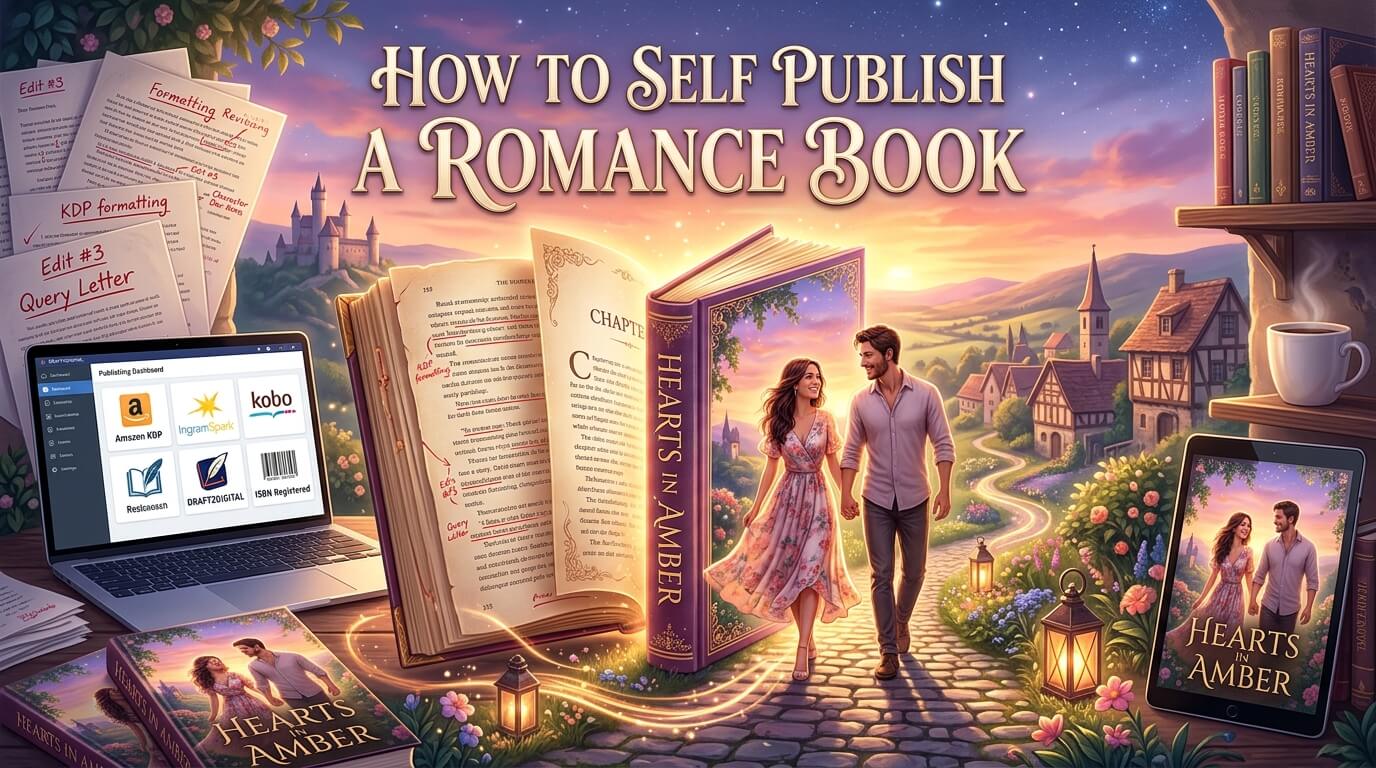
Romance remains one of the most successful and profitable genres in the publishing industry. From contemporary love stories and historical romances to paranormal, romantic suspense, and billionaire romances, readers consistently seek emotionally engaging stories that deliver compelling relationships and satisfying endings. In recent years, self-publishing has transformed the romance market, allowing authors to connect directly with readers while maintaining creative control and earning higher royalties.
Many of today’s bestselling romance authors began their careers through self-publishing. The rise of digital platforms, print-on-demand technology, audiobook production, and online marketing has created opportunities for writers to build successful publishing careers without relying on traditional publishing houses. However, publishing a romance novel involves much more than simply uploading a manuscript online. Authors must understand the expectations of romance readers, prepare a polished book, design an appealing cover, choose publishing platforms, and develop a marketing strategy that helps their story reach the right audience.
This guide explores every stage of the self-publishing journey and provides a detailed roadmap for authors who want to successfully self-publish a romance book.
The Reality of the Romance Publishing Scene
Before publishing a romance novel, it is important to understand why the genre continues to dominate book sales worldwide. Romance readers are among the most loyal and active readers in the publishing industry. Many readers consume multiple books every month and actively follow their favorite authors.
Unlike some genres where readers focus primarily on plot or worldbuilding, romance readers often seek emotional satisfaction. They expect strong character chemistry, relationship development, emotional conflict, and a fulfilling ending. This consistency creates a reliable market for authors who understand reader expectations.
The romance genre includes numerous subgenres, each serving different reader interests. Contemporary romance focuses on modern relationships, while historical romance explores love stories set in past eras. Romantic suspense combines romance with mystery or danger, while paranormal romance introduces supernatural elements. Understanding your specific niche helps position your book more effectively within the marketplace.
Choosing Your Romance Subgenre
One of the first decisions an author must make is identifying the subgenre of their romance novel. Successful self-publishing often depends on finding the right audience rather than trying to appeal to everyone.
A contemporary romance may attract readers looking for realistic emotional experiences, while fantasy romance appeals to audiences who enjoy magical worlds combined with romantic storylines. Dark romance, sports romance, small-town romance, billionaire romance, and enemies-to-lovers romance each have dedicated readerships with specific expectations.
Researching bestselling books within your chosen niche can provide valuable insight into market trends. This does not mean copying other authors but rather understanding what readers enjoy and what types of stories consistently perform well.
When readers browse online stores, they often search within specific romance categories. Properly identifying your niche helps your book appear in relevant searches and recommendations.
Writing a Romance Novel That Meets Reader Expectations
A successful romance novel begins with a compelling story. While every romance book is unique, readers generally expect certain foundational elements.
The central relationship must remain the emotional focus of the story. Readers invest in the characters’ journey and want to see meaningful emotional growth. The romantic tension should develop naturally, creating anticipation while maintaining authenticity.
Conflict plays a critical role in romance storytelling. Whether the conflict arises from personal differences, external obstacles, family issues, career goals, or emotional wounds, it should challenge the relationship without feeling forced.
Equally important is the emotional payoff. Romance readers expect a satisfying conclusion that rewards their investment in the characters. Most romance novels conclude with either a happily-ever-after (HEA) or a happy-for-now (HFN) ending.
Strong dialogue, relatable characters, emotional depth, and believable chemistry contribute significantly to reader satisfaction and positive reviews.
Editing Your Romance Manuscript
Many authors underestimate the importance of professional editing. Even the most captivating love story can struggle if it contains grammar mistakes, plot inconsistencies, or awkward pacing.
Editing typically occurs in several stages. Developmental editing focuses on structure, character arcs, pacing, and story development. This stage addresses major narrative issues before moving to sentence-level improvements.
Line editing improves style, flow, tone, and readability. A line editor examines how effectively the story communicates emotions and maintains reader engagement.
Copy editing addresses grammar, punctuation, consistency, and technical errors. Proofreading serves as the final review before publication, ensuring the manuscript appears polished and professional.
Romance readers often consume books quickly and notice errors that disrupt immersion. Investing in quality editing significantly improves reader satisfaction and long-term author credibility.
The Importance of Romance Cover Design
In self-publishing, a cover functions as both packaging and marketing. Readers often make purchasing decisions within seconds, making cover design one of the most important investments in the publishing process.
Romance covers communicate genre expectations immediately. A cover featuring a couple embracing conveys a different reading experience than one featuring symbolic imagery or illustrated characters.
Current cover trends vary across romance subgenres. Contemporary romance often features modern typography and attractive models, while historical romance may showcase period clothing and elegant settings. Romantic suspense typically uses darker colors and dramatic imagery.
A professional designer understands market trends and can create a cover that appeals to your target audience while standing out from competitors.
An effective romance cover should clearly communicate genre, tone, and emotional atmosphere while remaining visually appealing in thumbnail format.
Formatting Your Romance Book for Publication
Formatting transforms a manuscript into a professional reading experience. Readers expect books to be visually appealing and easy to navigate across different devices.
Digital formatting involves preparing files for eBook platforms such as Kindle, Apple Books, Kobo, and others. Proper formatting ensures consistent chapter spacing, readable typography, and functional navigation.
Print formatting requires additional considerations, including trim size, margins, page numbers, headers, and print quality specifications.
Poor formatting can create a negative reading experience even if the story itself is excellent. Professional formatting helps establish credibility and improves overall reader satisfaction.
Common Formatting Elements
| Publishing Element | Purpose |
| Title Page | Introduces book title and author name |
| Copyright Page | Provides legal publication information |
| Dedication Page | Optional personal message |
| Table of Contents | Navigation for digital books |
| Chapter Headings | Organizes reading experience |
| Author Bio | Introduces readers to the author |
| Call to Action | Encourages reviews and newsletter signups |
Choosing the Right Self-Publishing Platform
Selecting the appropriate publishing platform influences your book’s visibility, distribution, and earnings. Several major platforms dominate the self-publishing landscape.
Amazon Kindle Direct Publishing
Amazon remains the largest self-publishing platform in the world. Many romance authors generate substantial sales through Kindle eBooks, paperbacks, and Kindle Unlimited subscriptions. The platform offers global distribution, print-on-demand services, and royalty options that appeal to both new and experienced authors.
Wide Distribution Platforms
Some authors choose wider distribution through platforms that make books available across multiple retailers. This strategy can increase discoverability and reduce dependence on a single marketplace. Wide distribution often includes bookstores such as Apple Books, Kobo, Barnes & Noble, and other international retailers. The choice between exclusivity and wide distribution depends on an author’s goals, marketing strategy, and target readership.
Setting the Right Price for Your Romance Book
Pricing plays a significant role in attracting readers and maximizing revenue. Romance readers often purchase multiple books, making competitive pricing particularly important.
New authors frequently use introductory pricing to encourage discovery and generate early reviews. Established authors may command higher prices due to existing readership and brand recognition.
Pricing decisions should consider factors such as book length, market competition, publication format, and series positioning.
Many successful romance authors view their first book as a gateway to future sales. Strategic pricing can help build readership and encourage long-term customer loyalty.
Writing a Compelling Romance Book Description
A book description functions as a sales pitch. It must capture attention quickly while encouraging readers to click the purchase button. Effective romance descriptions focus on emotional conflict, character dynamics, and romantic tension. Rather than summarizing every plot detail, they create curiosity and emotional investment.
The opening sentences are especially important because they determine whether readers continue reading the description. A strong romance blurb introduces the protagonists, presents the central conflict, highlights romantic stakes, and leaves readers eager to discover what happens next.
Selecting Effective Keywords and Categories
Online bookstores rely heavily on metadata to connect books with readers. Keywords and categories influence search visibility and recommendation algorithms. Authors should research the categories where similar successful books appear. Choosing appropriate categories improves discoverability and helps readers find relevant books.
Keywords should reflect themes, tropes, settings, and reader interests. Terms such as enemies-to-lovers, second-chance romance, small-town romance, workplace romance, or romantic suspense can help attract targeted audiences. Thoughtful metadata optimization can significantly improve a book’s visibility without requiring additional advertising expenses.
Building an Author Brand
Self-publishing success often depends on more than a single book. Building an author brand creates consistency and encourages reader loyalty. An author brand encompasses writing style, cover design, website presentation, social media presence, and communication with readers. Readers who enjoy one romance novel often seek additional books from the same author.
Consistency across platforms helps establish recognition and professionalism. Whether writing contemporary romance or paranormal romance, maintaining a clear brand identity strengthens audience connection. A strong author brand also simplifies marketing by creating familiarity and trust among readers.
Creating an Author Website
A professional website serves as a central hub for your publishing career. While social media platforms may change over time, a website remains under your control.
An author website typically includes book information, author biography, newsletter signup forms, blog content, and contact details. It provides readers with a reliable source of information and creates opportunities for direct audience engagement.
Search engines can also help new readers discover your books through relevant content and author-related searches. For self-published romance authors, a website functions as both a marketing tool and a long-term business asset.
Growing an Email Newsletter
Email marketing remains one of the most effective promotional tools available to authors. Unlike social media algorithms, email newsletters provide direct communication with readers. Readers who subscribe to an author’s newsletter often represent the most engaged segment of the audience. They are more likely to purchase new releases, leave reviews, and recommend books to others.
Successful newsletters provide value through updates, exclusive content, behind-the-scenes insights, cover reveals, and launch announcements. Over time, a newsletter becomes a powerful platform for building long-term reader relationships.
Marketing Your Romance Book Before Launch
Book marketing begins long before publication day. Preparing an audience in advance can significantly improve launch results. Pre-launch marketing often involves sharing progress updates, revealing cover designs, gathering advance readers, and generating anticipation through social media and newsletters.
Building excitement before release helps create momentum and increases the likelihood of early reviews and sales. A well-planned launch strategy can make a substantial difference in visibility during the critical first weeks after publication.
Using Reviews to Build Credibility
Reviews play a crucial role in online book sales. Readers often rely on reviews to determine whether a book matches their interests and expectations. Obtaining honest reviews from advance readers can provide valuable social proof. Positive reviews help establish trust and improve conversion rates.
Authors should focus on creating excellent reading experiences rather than obsessing over review numbers. Consistently delivering quality books often leads to stronger reviews over time. Professional interactions with readers and reviewers contribute to a positive reputation within the romance community.
Advertising Romance Books
Paid advertising has become an important component of many successful self-publishing strategies. Digital advertising platforms allow authors to target readers who already enjoy romance novels. Advertising campaigns can increase visibility, attract new readers, and support book launches. However, successful advertising requires testing, optimization, and patience.
Authors often experiment with different ad creatives, targeting options, pricing strategies, and promotional offers to identify what works best for their audience. Advertising tends to perform more effectively when supported by strong covers, compelling descriptions, and positive reviews.
Publishing a Romance Series
Many romance authors achieve greater success through series publishing rather than standalone books. Series encourage readers to continue purchasing additional titles and strengthen long-term readership. A romance series may follow a group of friends, family members, coworkers, or interconnected communities. Each book can feature a different couple while maintaining continuity within the larger world.
Series publishing increases discoverability because readers who enjoy one book often proceed directly to the next installment. This approach can create a sustainable publishing model that generates ongoing revenue over time.
Expanding Into Audiobooks
Audiobooks continue to grow in popularity among romance readers. Many consumers enjoy listening while commuting, exercising, or completing daily tasks. Producing an audiobook can open additional revenue streams and attract readers who prefer audio formats.
Narrator selection is especially important in romance because emotional delivery significantly influences listener engagement. A talented narrator can enhance the reading experience and strengthen audience connection. As the audiobook market continues expanding, many self-published romance authors view audio production as a valuable long-term investment.
Managing the Business Side of Self-Publishing
Self-publishing combines creativity with entrepreneurship. Authors must manage budgets, monitor sales data, track expenses, and evaluate marketing performance.
Treating publishing as a business encourages strategic decision-making and long-term growth. Understanding royalty structures, production costs, advertising expenses, and profit margins helps authors make informed choices.
Successful self-published authors often develop systems that allow them to balance writing, publishing, and marketing responsibilities effectively. Professional organization contributes significantly to sustainability and career development.
Long-Term Success as a Romance Author
Publishing one romance novel can be a rewarding achievement, but long-term success often comes from consistency. Readers appreciate authors who regularly release high-quality stories and maintain strong connections with their audience.
Building a publishing career takes time. Growth typically occurs through cumulative effort rather than overnight success. Each book expands an author’s catalog, increases visibility, and creates new opportunities for reader discovery.
Patience, persistence, and continuous improvement remain essential qualities for self-published authors. Learning from each release helps refine future projects and strengthen publishing strategies.
Conclusion
Self-publishing a romance book offers writers unprecedented opportunities to share their stories with readers around the world. By understanding the romance market, creating a compelling manuscript, investing in professional editing and cover design, choosing the right publishing platforms, and implementing effective marketing strategies, authors can successfully navigate the publishing process while maintaining creative control.
The modern romance market rewards authors who combine strong storytelling with professional presentation and consistent audience engagement. While success rarely happens overnight, self-publishing allows romance writers to build sustainable careers, cultivate loyal readerships, and bring their unique love stories directly to the people who are eager to read them. With careful planning, dedication, and a commitment to quality, publishing a romance novel independently can become the foundation for a thriving and fulfilling writing career.
