
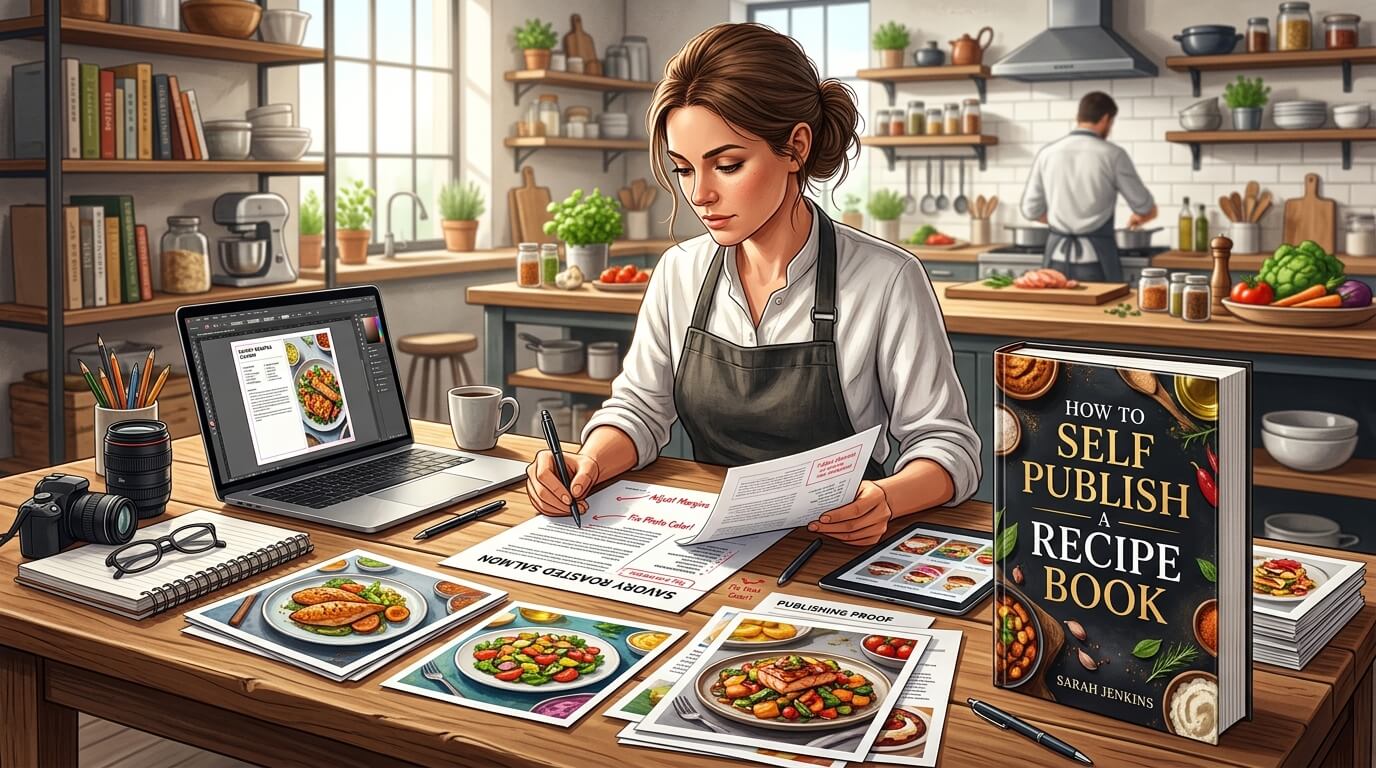
Food has always been more than nourishment. It is culture, memory, creativity, and connection. For many people, recipes represent family traditions passed down through generations, while for others they are the result of years spent experimenting in kitchens, restaurants, bakeries, or food blogs. Whatever your background may be, a recipe book provides an opportunity to preserve your culinary knowledge and share it with a larger audience.
In the past, publishing a cookbook often required securing a deal with a traditional publishing house. Authors had to compete for limited opportunities, navigate lengthy approval processes, and surrender significant creative control. Today, self-publishing has changed the landscape completely. Independent authors can create professional-quality recipe books and distribute them worldwide without relying on traditional publishers.
The growing popularity of digital publishing platforms and print-on-demand technology has made cookbook publishing more accessible than ever before. However, publishing a successful recipe book involves much more than simply gathering recipes and placing them on pages. It requires planning, organization, testing, design, photography, editing, and marketing.
This guide explores every stage of the self-publishing journey, helping you understand how to transform your recipes into a cookbook that readers will value, trust, and enjoy.
How a Recipe Book Becomes Truly Successful
One of the biggest misconceptions about cookbook publishing is that a recipe book only needs great recipes. While delicious recipes are certainly important, successful cookbooks offer much more than instructions for preparing meals. They provide readers with an experience, a perspective, and often a story that connects the recipes together.
When readers purchase a recipe book, they are usually looking for a solution to a specific need. Some want healthy meal ideas. Others want authentic cultural dishes, beginner-friendly recipes, baking techniques, or quick meals for busy families. The strongest cookbooks identify a clear audience and address that audience’s interests consistently throughout the book.
Modern cookbook readers also appreciate authenticity. They want to know who created the recipes and why those recipes matter. A collection of random dishes may provide value, but a thoughtfully curated cookbook built around a specific theme often creates a stronger connection with readers.
Before writing your manuscript, it is important to think beyond individual recipes. Consider the overall experience you want your readers to have. Ask yourself what makes your cookbook different from the hundreds of others already available. The answer to that question will become the foundation of your book.
Defining Your Cookbook’s Purpose and Audience
Every successful recipe book begins with a clear purpose. Without a defined direction, even excellent recipes can feel disconnected and difficult to market.
Some cookbook authors focus on specific cuisines such as Italian, Mexican, Middle Eastern, or Asian cooking. Others build books around dietary approaches like vegan, keto, gluten-free, or high-protein eating. Some create books designed for busy parents, college students, beginner cooks, or baking enthusiasts.
Identifying your audience helps shape every aspect of the project. It influences recipe selection, photography style, design choices, marketing strategies, and even the tone of your writing. A cookbook for professional chefs will look very different from a cookbook designed for people who have never cooked before.
Understanding your audience also helps you determine the complexity of your recipes. Readers appreciate books that match their skill level. If your audience consists primarily of beginners, clear explanations and accessible ingredients become especially important. If your audience includes experienced cooks, you may be able to introduce more advanced techniques and specialized ingredients.
The more specific you become about your audience, the easier it becomes to create a cookbook that genuinely serves their needs.
Researching the Cookbook Market Before You Begin
Many first-time cookbook authors skip the research stage and immediately begin writing recipes. While enthusiasm is valuable, market research can significantly improve the quality and positioning of your book.
Spend time exploring bestselling cookbooks in your chosen niche. Analyze how successful authors structure their books. Observe the types of photographs they use, the way recipes are formatted, and the overall presentation style.
Pay attention to customer reviews as well. Reviews often reveal what readers love and what frustrates them. You may discover recurring complaints about complicated instructions, missing nutritional information, poor photography, or unclear ingredient measurements.
Research helps you identify opportunities to create something better. It allows you to understand reader expectations while finding ways to differentiate your book from competitors.
The goal is not to copy existing cookbooks but to learn from the market and identify areas where your unique perspective can add value.
Creating a Strong Concept for Your Recipe Book
A cookbook becomes far more memorable when it revolves around a central concept. The concept serves as the thread that connects every chapter, recipe, photograph, and story.
Some cookbook concepts are built around a lifestyle. Others focus on cultural traditions, seasonal cooking, budget-friendly meals, or family recipes. Whatever direction you choose, consistency is important. Readers should immediately understand what your cookbook offers. When someone picks up your book, they should quickly recognize its purpose and intended audience.
A strong concept also simplifies the writing process. Instead of wondering which recipes to include, you can evaluate each recipe according to whether it supports your overall vision. This helps maintain focus and prevents the cookbook from feeling scattered.
The most successful cookbooks often feel like carefully curated experiences rather than random collections of recipes.
Organizing Your Recipes Into a Logical Structure
Once you have developed a clear concept, the next step is organizing your recipes into a structure that feels intuitive for readers.
Cookbooks typically contain several major sections that guide readers through different types of dishes or cooking experiences. Organization can be based on meal categories, ingredients, cooking methods, seasons, dietary needs, or cultural traditions.
The structure should make it easy for readers to locate recipes quickly. A well-organized cookbook encourages repeated use because readers can easily navigate the content whenever they need inspiration.
Sample Recipe Book Structure
| Section | Content Focus |
| Introduction | Author story and cookbook purpose |
| Breakfast Recipes | Morning meals and beverages |
| Lunch Recipes | Light meals and quick dishes |
| Dinner Recipes | Main courses and family meals |
| Side Dishes | Supporting recipes and accompaniments |
| Desserts | Sweet dishes and baked treats |
| Special Occasion Recipes | Holiday and celebration meals |
| Cooking Tips and Techniques | Kitchen guidance and advice |
| Recipe Index | Easy navigation and reference |
A logical structure improves the reading experience and enhances the professional appearance of the finished cookbook.
Writing Recipes That Readers Can Actually Follow
Recipe writing is both an art and a science. Even experienced cooks sometimes struggle to write instructions that are clear enough for readers with different skill levels.
Every recipe should begin with a complete and accurate ingredient list. Measurements must be precise and consistent throughout the book. Readers should never have to guess how much of an ingredient to use or when it should be added.
Instructions should be presented in a logical sequence. Each step should build naturally on the previous one, guiding readers through the cooking process without confusion. Clear language is essential because readers often follow recipes while actively cooking.
The best recipes anticipate potential challenges and provide helpful guidance when necessary. If a particular technique requires special attention, explain it clearly. If ingredient substitutions are possible, mention them when appropriate.
Consistency is equally important. When every recipe follows a similar format, readers can navigate the cookbook more comfortably and confidently.
Why Recipe Testing Is Essential
One of the defining characteristics of a professional cookbook is recipe reliability. Readers expect recipes to work exactly as written.
Recipe testing ensures that ingredient measurements, cooking times, temperatures, and instructions produce consistent results. Even recipes that seem straightforward may contain small inaccuracies that become obvious during testing.
Many cookbook authors test recipes multiple times before publication. Repeated testing helps identify issues that might otherwise go unnoticed. Outside testers can also provide valuable feedback because they approach recipes without prior knowledge of the author’s intentions.
Testing allows you to refine instructions, improve clarity, and ensure consistent outcomes. It also builds trust with readers. When people purchase a cookbook, they expect dependable guidance. Reliable recipes encourage positive reviews and increase the likelihood that readers will recommend the book to others.
Skipping the testing process may save time initially, but it often leads to disappointed readers and long-term credibility issues.
Incorporating Stories and Personal Experiences
Modern cookbooks often succeed because they combine practical value with personal storytelling. Readers enjoy learning about the experiences, traditions, and inspirations behind recipes.
Personal stories create emotional connections that transform recipes into meaningful experiences. A simple family dish becomes more memorable when readers understand its history. A cultural recipe gains depth when accompanied by insights into its origins and significance.
Stories also help establish your voice as an author. They allow readers to understand your perspective and connect with your culinary journey.
While recipes remain the primary focus, thoughtful storytelling can elevate a cookbook from a functional reference guide to an engaging reading experience. Many bestselling cookbooks are treasured not only for their recipes but also for the stories that accompany them.
The Importance of High-Quality Food Photography
Photography plays a crucial role in cookbook publishing. Readers often judge a recipe book within seconds based on its visual presentation.
Beautiful food photography inspires readers to try recipes and increases the perceived value of the book. Images should showcase dishes in an appetizing, realistic, and visually consistent manner.
Good food photography involves much more than simply taking pictures of finished dishes. Lighting, composition, styling, color balance, and presentation all contribute to the final result. Natural lighting is frequently preferred because it creates a warm and authentic appearance.
Consistency throughout the cookbook is important as well. A cohesive photographic style strengthens the book’s identity and enhances the reader experience. While hiring a professional photographer can be beneficial, many self-published authors successfully create impressive visuals using modern cameras, smartphones, and thoughtful styling techniques.
Designing a Professional Interior Layout
Cookbook design combines aesthetics with functionality. Readers should be able to navigate recipes easily while enjoying an attractive visual experience.
A professional layout includes consistent typography, balanced spacing, clear headings, and strategic placement of photographs. Design choices should support readability rather than distract from the content.
Cookbooks often contain a significant amount of visual material, making layout especially important. Ingredients, instructions, notes, and photographs must work together harmoniously on each page. Professional design can dramatically improve the overall quality of a self-published cookbook. Readers often associate polished design with credibility and expertise.
Investing time and effort into layout development helps ensure that your cookbook meets modern publishing standards.
Editing and Refining Your Manuscript
Even the most talented writers benefit from editing. Cookbook editing involves much more than correcting grammar and punctuation. Editors help verify consistency across recipes, identify formatting issues, review measurements, and improve clarity. They also ensure that instructions remain easy to understand and free from ambiguity.
Because recipe books contain technical information, accuracy is essential. Small mistakes involving ingredients, temperatures, or cooking times can affect recipe outcomes.
Professional editing provides an additional layer of quality control that strengthens the overall book. Readers notice polished content, and positive experiences often lead to better reviews and stronger recommendations.
Choosing the Best Publishing Format
Today’s cookbook authors have multiple publishing options available. Print editions remain extremely popular because many readers prefer physical cookbooks in the kitchen. Digital formats offer convenience and portability. Readers can access recipes instantly from smartphones, tablets, and e-readers.
Many successful authors publish both print and digital versions simultaneously. This approach allows them to reach a broader audience while accommodating different reader preferences. The choice of format should align with your audience’s habits and expectations. Understanding how your readers prefer to consume content can help inform this decision.
Marketing Your Recipe Book After Publication
Publishing a cookbook is only part of the journey. Effective marketing determines whether readers discover your work.
Many cookbook authors build audiences through food blogs, social media platforms, newsletters, cooking demonstrations, and recipe-sharing communities. Consistent content creation helps establish credibility and attract potential buyers.
Marketing works best when it begins before publication. Building anticipation allows you to generate momentum and secure early reviews. Readers who already follow your content are often eager to support your book launch.
Food-related content naturally performs well online because people constantly search for recipes, cooking tips, and meal inspiration. By sharing valuable content consistently, you can continue attracting readers long after the initial launch.
Conclusion
Self-publishing a recipe book is an exciting opportunity to transform your culinary knowledge into a lasting resource that inspires readers around the world. While the process requires dedication, planning, and attention to detail, it also provides complete creative freedom and ownership of your work.
A successful cookbook begins with a clear vision, a well-defined audience, and carefully tested recipes. From there, thoughtful storytelling, professional photography, strong design, and strategic marketing help elevate the book into a polished product that readers trust and enjoy.
Whether you are a professional chef, food blogger, nutrition coach, restaurant owner, or passionate home cook, self-publishing gives you the ability to share your unique culinary perspective without waiting for approval from traditional publishers. By focusing on quality at every stage of the process, you can create a recipe book that not only showcases your recipes but also builds a meaningful connection with readers.
In a world where food continues to bring people together, a well-crafted recipe book has the power to preserve traditions, inspire creativity, and help countless individuals create memorable meals. With the right approach, your cookbook can become much more than a collection of recipes—it can become a valuable contribution to the kitchens and lives of readers everywhere.
