
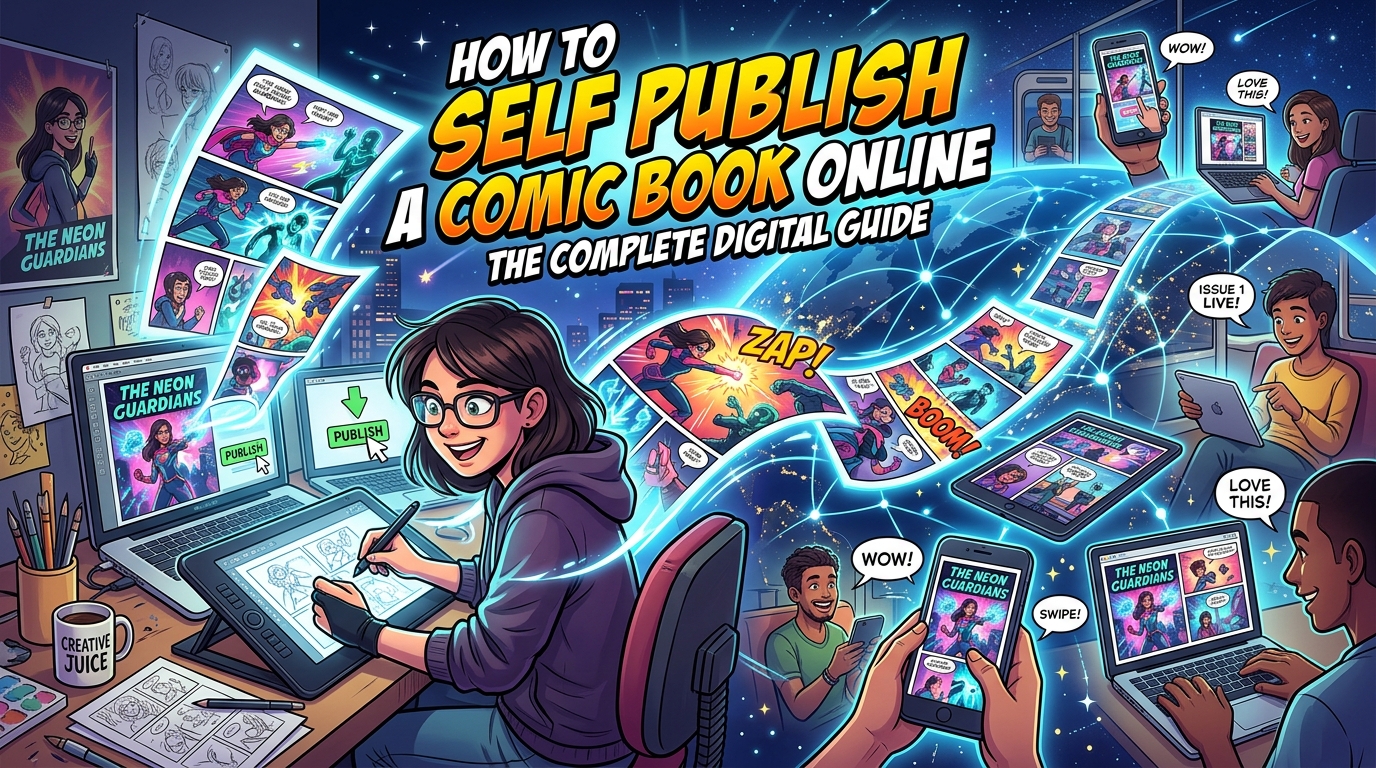
The comic book industry has experienced a remarkable transformation over the past decade. What was once a publishing space largely controlled by major publishers and print distributors has evolved into an open and accessible marketplace where independent creators can thrive. Thanks to digital publishing platforms, artists and writers now have the ability to create, publish, market, and sell comic books directly to readers around the world.
Self-publishing a comic book online offers opportunities that were difficult to imagine in previous generations. Creators no longer need to wait for approval from publishing companies or invest heavily in physical printing before reaching an audience. Instead, they can build communities, release content on their own schedule, and maintain complete ownership of their intellectual property.
Whether you are developing a superhero saga, fantasy adventure, horror series, slice-of-life webcomic, manga-inspired story, or graphic memoir, online publishing provides a practical path to bring your vision to life. However, successful self-publishing involves much more than uploading pages to the internet. It requires planning, storytelling skills, professional presentation, marketing knowledge, and audience engagement.
This guide explores the complete process of self-publishing a comic book online, helping creators understand every stage from concept development to building a sustainable readership.
The Evolution of Comic Book Publishing in the Digital Age
The modern comic book industry is significantly different from the industry that existed even fifteen years ago. Traditional publishers still play an important role, but digital platforms have created entirely new opportunities for creators who want to publish independently.
Today, readers consume comics through smartphones, tablets, laptops, e-readers, and dedicated comic-reading applications. Mobile reading has become especially popular because it allows readers to enjoy stories anytime and anywhere. This shift has encouraged the development of digital-first publishing platforms that prioritize accessibility and convenience.
One of the most significant advantages of the digital publishing era is global reach. A creator can publish a comic online and instantly make it available to readers across different countries. Unlike traditional distribution models that often depend on regional availability, digital publishing removes many geographical barriers.
The rise of webcomics has also expanded the types of stories being told. Independent creators are free to experiment with unique genres, diverse characters, unconventional art styles, and niche topics that may not fit traditional publishing standards. As a result, readers now have access to a wider variety of content than ever before.
Understanding this evolving landscape helps creators recognize the opportunities available to them and make informed decisions about where and how they publish their work.
Why Self-Publish A Comic Book Online?
Self-publishing offers numerous benefits that appeal to modern creators.
One of the most important advantages is creative freedom. Independent creators maintain complete control over their stories, artwork, characters, and publishing schedules. There is no publisher requiring changes to fit market trends or editorial preferences.
Ownership is another major benefit. When creators self-publish, they typically retain full rights to their intellectual property. This means they control future adaptations, merchandise opportunities, licensing agreements, and brand development.
Online publishing also provides faster access to readers. Traditional publishing can involve lengthy submission processes, contract negotiations, and production schedules. Self-publishing allows creators to release work whenever it is ready.
Financial flexibility is equally attractive. While traditional publishing often involves royalty structures, self-publishing enables creators to keep a larger percentage of earnings. Revenue can come from direct sales, subscriptions, advertising, crowdfunding, and merchandise.
Additionally, self-publishing creates opportunities for direct engagement with readers. Creators can interact with fans through comments, newsletters, social media, and community platforms, building stronger relationships that support long-term growth.
Developing A Strong Comic Book Concept
Every successful comic starts with a compelling idea. Before creating artwork or writing scripts, it is important to spend time developing a concept that can sustain reader interest over time.
The first step involves defining the core premise of the story. Ask yourself what makes your comic unique. What themes will it explore? Who is the target audience? What emotional experience do you want readers to have?
A strong concept often combines an engaging plot with memorable characters. Readers may initially be attracted by an interesting premise, but they typically stay because they become invested in the characters and their journeys.
World-building is another crucial aspect of concept development. Whether your story takes place in a futuristic city, magical kingdom, haunted town, or ordinary neighborhood, the setting should feel believable and support the narrative. Thoughtful world-building creates immersion and gives readers reasons to continue exploring the story.
It is also wise to think about the long-term direction of the comic. Even if you begin with a short series, having a general roadmap for future developments helps maintain consistency and avoids creative roadblocks later.
Researching successful comics within your chosen genre can provide valuable insights. While originality is important, understanding audience expectations helps creators identify what readers enjoy and where opportunities exist to offer something fresh.
Writing A Comic Book Script
Creating A Visual Story
Writing a comic book script differs significantly from writing a novel or screenplay. Comics rely on a combination of words and visuals to tell a story, which means every scene must be designed with both elements in mind.
A comic script serves as a blueprint for the artwork. It describes panel layouts, character actions, environments, dialogue, captions, and pacing. Good scripts provide enough detail to guide the artist while leaving room for visual creativity.
Visual storytelling is one of the most powerful aspects of comics. A single image can communicate emotion, tension, action, or atmosphere more effectively than paragraphs of text. As a result, creators should focus on scenes that can be understood visually rather than relying heavily on exposition.
Strong comic storytelling often emphasizes showing rather than telling. Readers enjoy discovering information through character actions, expressions, and environmental details.
Balancing Dialogue And Artwork
One common mistake among new comic creators is overloading panels with text. While dialogue is important, excessive wording can make pages feel crowded and reduce the impact of the artwork.
Effective comics create harmony between visuals and dialogue. The artwork should carry a significant portion of the storytelling responsibility, while dialogue enhances character development and plot progression.
Natural conversations, concise captions, and meaningful visual cues help maintain readability. Readers should be able to move smoothly through each page without feeling overwhelmed by text.
Careful dialogue management improves pacing and allows artwork to shine, creating a more immersive reading experience.
Designing Memorable Characters
Characters are often the heart of a comic book. Readers may appreciate impressive artwork or exciting action sequences, but memorable characters are what keep them emotionally invested.
Character design involves both appearance and personality. Visually, characters should be distinctive and recognizable. Their clothing, hairstyle, posture, and expressions can communicate important aspects of who they are.
Beyond appearance, creators should develop clear motivations, strengths, weaknesses, fears, and goals. Multi-dimensional characters feel more authentic and relatable.
Character relationships are equally important. Friendships, rivalries, family dynamics, and romantic connections often drive emotional engagement and create compelling storylines.
Consistency is essential throughout the series. Readers should feel that characters behave according to established personalities while still experiencing meaningful growth and development.
Creating Professional Comic Artwork
Choosing Your Artistic Style
The visual style of a comic plays a significant role in shaping reader expectations and experiences. Some stories benefit from highly realistic artwork, while others thrive with stylized, cartoon-inspired, or manga-influenced designs.
Choosing an artistic style should involve considering both storytelling needs and production realities. Extremely detailed artwork may look impressive but can significantly increase production time. A sustainable style allows creators to maintain quality while meeting publishing schedules.
Consistency is often more important than complexity. Readers generally prefer artwork that remains visually coherent throughout a series rather than constantly changing styles.
The chosen style should complement the tone of the story. A dark horror comic may require different artistic approaches than a comedic slice-of-life series.
Digital Art Tools For Comic Creation
Modern technology has revolutionized comic production. Digital illustration software allows creators to work more efficiently while maintaining professional quality.
| Software | Primary Use | Best For |
| Clip Studio Paint | Comic illustration and page design | Professional comic creators |
| Adobe Photoshop | Digital painting and editing | Advanced artists |
| Procreate | Mobile illustration | iPad users |
| Krita | Free digital painting software | Beginners and budget-conscious creators |
| Adobe Illustrator | Vector artwork | Graphic-focused comics |
| Affinity Designer | Illustration and design | Independent creators |
These programs offer features specifically designed for comic creation, including panel templates, speech bubbles, perspective rulers, coloring tools, and export settings optimized for digital publishing.
Investing time in mastering the right tools can significantly improve productivity and artistic consistency.
Formatting Your Comic For Online Publishing
Formatting is one of the most overlooked aspects of digital comic publishing. Even excellent artwork can lose impact if pages are not optimized for online reading.
Digital readers access content through devices with varying screen sizes. This means creators must consider readability, image dimensions, file sizes, and navigation when preparing pages.
Traditional comic page layouts often work well for digital marketplaces, while webcomic platforms may favor vertical scrolling formats designed specifically for smartphones.
High-resolution images help maintain visual quality, but excessively large files can slow loading times and frustrate readers. Finding the right balance between quality and performance is essential.
Testing comics across multiple devices before publication helps identify potential issues and ensures a positive reader experience.
Building A Production Workflow
Creating a comic involves numerous interconnected tasks. Establishing an efficient workflow helps creators stay organized and maintain consistent output.
Most workflows include scripting, thumbnail sketches, pencils, inks, coloring, lettering, editing, and final export preparation. Dividing the project into manageable stages makes large projects feel less overwhelming.
Time management becomes particularly important for ongoing series. Readers often expect regular updates, and inconsistent schedules can reduce engagement.
Creators should also consider building a content buffer before launch. Having several completed chapters ready in advance reduces stress and allows for unexpected delays without disrupting publication schedules.
A structured workflow contributes significantly to long-term sustainability.
Editing And Quality Control
Professional editing is a critical step that many independent creators underestimate. Editing extends beyond grammar and spelling. It includes evaluating story structure, pacing, dialogue effectiveness, visual clarity, continuity, and character consistency.
Because creators spend so much time working on their projects, they can become blind to mistakes. Seeking feedback from beta readers, editors, or trusted colleagues provides valuable outside perspectives. Quality control should also involve reviewing artwork, lettering, page transitions, and formatting. Small errors can distract readers and reduce professionalism.
A polished comic creates stronger first impressions and increases the likelihood of positive reviews and recommendations.
Choosing The Best Platform To Self-Publish A Comic Book Online
Webtoon
Webtoon has become one of the most influential comic publishing platforms in the world. Designed primarily for vertical scrolling content, it offers creators access to millions of active readers.
Its mobile-first design makes it particularly appealing for modern audiences who consume content on smartphones. Independent creators can publish for free and potentially earn revenue through various creator programs.
Tapas
Tapas focuses on serialized storytelling and supports both comics and novels. The platform encourages community engagement and offers monetization opportunities through premium content, tipping systems, and subscription features.
Many independent creators appreciate the platform’s supportive environment and audience-building tools.
Kindle Direct Publishing
Amazon’s Kindle Direct Publishing provides access to one of the world’s largest digital marketplaces. Creators can publish graphic novels and comic books while benefiting from Amazon’s extensive reach.
This option is especially useful for creators interested in selling complete volumes rather than serialized content.
GlobalComix
GlobalComix has gained recognition for its creator-friendly features and growing comic-focused audience. The platform offers discovery tools that help readers find new content and supports various publishing models.
Personal Website Publishing
Publishing through a personal website offers maximum control over branding, distribution, and monetization. Creators are not dependent on platform algorithms and retain complete ownership of reader relationships. However, managing a website requires additional effort related to hosting, maintenance, marketing, and audience acquisition.
The best platform depends on individual goals, target audience, content format, and preferred monetization strategies.
Building An Audience Before Launch
Many creators focus entirely on production and wait until publication day to think about marketing. This approach often limits early growth opportunities. Audience building should begin during development. Sharing concept art, character designs, sketches, and progress updates helps generate curiosity and anticipation.
Creating an email newsletter is particularly valuable because it provides direct communication with potential readers. Unlike social media platforms, email lists are not affected by changing algorithms. Early audience engagement also creates opportunities to gather feedback and identify what aspects of the project resonate most strongly with potential readers.
By the time the comic launches, creators who have invested in audience building often have a community ready to support and share their work.
Using Social Media To Promote Your Comic
Social media has become one of the most powerful marketing tools available to independent comic creators.
Visual content naturally performs well on platforms such as Instagram, TikTok, Pinterest, Facebook, and X. Sharing artwork, process videos, character introductions, and behind-the-scenes content can attract attention from readers interested in comics and illustration.
Successful promotion involves consistency rather than constant advertising. Audiences generally respond better to authentic content that showcases creativity and personality. Engaging with followers through comments, livestreams, Q&A sessions, and community discussions helps strengthen relationships and encourages long-term support. Social media also enables collaboration opportunities with other creators, expanding reach through shared audiences and cross-promotion efforts.
When used strategically, these platforms can become powerful engines for audience growth.
Creating A Launch Strategy
A successful launch involves more than simply uploading a comic and hoping readers discover it.
Creators should develop a structured launch plan that generates excitement and encourages immediate engagement. Teasers, countdown posts, preview pages, newsletters, and promotional artwork can help build anticipation.
Publishing multiple chapters at launch often improves reader retention by giving audiences enough content to become invested in the story.
Early reviews and reader feedback can also contribute to visibility. Encouraging supporters to share the comic with friends and communities helps create momentum during the critical launch period.
A well-executed launch establishes a strong foundation for future growth.
Monetizing Your Comic Book Online
Direct Sales
Direct sales remain one of the most straightforward ways to generate income. Readers purchase individual issues, chapters, or complete graphic novels, providing immediate revenue. Digital marketplaces make direct sales accessible to creators of all sizes.
Subscription Models
Subscription services have become increasingly popular within the creator economy. Readers pay recurring fees in exchange for exclusive content, early access chapters, bonus artwork, and behind-the-scenes materials. Recurring income provides greater financial stability and supports long-term project development.
Crowdfunding
Crowdfunding has transformed independent comic publishing. Many creators successfully fund production costs through campaigns that allow fans to support projects before release. Supporters often receive exclusive rewards, signed editions, merchandise, or special acknowledgments. Crowdfunding can finance artwork, marketing, printing expenses, and future projects while validating audience demand.
Merchandise
As a comic gains popularity, merchandise can become a significant revenue stream. Posters, prints, apparel, stickers, and collectibles allow fans to engage more deeply with the brand. Merchandise also increases visibility by turning readers into brand ambassadors. Combining multiple monetization methods often creates the most sustainable financial model for independent creators.
Protecting Your Intellectual Property
Ownership protection is an important aspect of self-publishing. Creators should maintain records of original files, scripts, concept art, publication dates, and development materials. These records can help establish ownership if disputes arise. Understanding copyright law and intellectual property rights becomes increasingly important as a comic gains visibility and commercial value. While legal considerations may seem distant during early development, proactive protection helps safeguard future opportunities.
Understanding Reader Analytics
Digital publishing platforms provide valuable insights into audience behavior. Analytics can reveal where readers come from, which chapters perform best, how long audiences engage with content, and where readers stop reading. These insights help creators make informed decisions about storytelling, marketing, release schedules, and content development.
Data should not replace creativity, but it can provide useful guidance for improving audience engagement and long-term growth.
Growing Your Comic Into A Brand
Successful comics often evolve beyond individual stories. Over time, a comic can become a recognizable brand with opportunities in publishing, licensing, merchandise, animation, gaming, and multimedia entertainment. Building a brand involves creating a consistent identity around characters, visual design, storytelling themes, and audience experience.
Readers are more likely to support creators who present their work professionally and consistently. A strong brand creates recognition and helps differentiate a comic from countless others competing for attention. As the audience grows, opportunities for partnerships, collaborations, and expansion become increasingly possible.
Thinking beyond a single comic issue allows creators to build lasting creative businesses.
Common Mistakes To Avoid
Many new creators underestimate the importance of planning. Rushing into production without a clear story structure often leads to unfinished projects.
Others focus entirely on artwork while neglecting marketing and audience building. Even exceptional comics need visibility to succeed.
Inconsistent release schedules can also reduce reader retention. Audiences appreciate reliability and are more likely to remain engaged when updates follow predictable patterns.
Avoiding these common mistakes significantly improves the likelihood of long-term success.
The Future Of Online Comic Publishing
The future of comic publishing continues to be shaped by technological innovation and changing reader habits.
Mobile-first platforms, subscription ecosystems, creator-funded projects, and global digital distribution are creating new opportunities for independent storytellers. Readers now have access to content from creators around the world, leading to greater diversity in storytelling styles and perspectives.
Emerging technologies may further transform the industry. Interactive comics, multimedia storytelling, and enhanced digital reading experiences are becoming increasingly common.
Artificial intelligence and automation tools may also influence production workflows, although creativity and original storytelling will remain at the center of successful comics.
Despite these changes, the fundamentals remain unchanged. Readers continue to seek compelling stories, memorable characters, emotional engagement, and high-quality artwork.
Creators who embrace innovation while maintaining strong storytelling principles will be well-positioned for future success.
Conclusion
Self-publishing a comic book online has never been more accessible or more promising for independent creators. Digital platforms have removed many traditional barriers, allowing artists and writers to share their stories directly with global audiences while maintaining complete creative control.
The process involves much more than creating beautiful artwork. Successful comic publishing requires thoughtful concept development, effective storytelling, professional production, strategic platform selection, audience building, marketing, and monetization planning. Every stage contributes to the overall success of the project.
While the journey requires dedication, consistency, and patience, the rewards can be substantial. Self-publishing enables creators to build loyal communities, generate revenue, retain ownership of their intellectual property, and potentially grow their work into larger creative brands.
The most successful creators understand that comic publishing is both an artistic and entrepreneurial endeavor. By focusing on quality, engaging with readers, and continually refining their craft, independent creators can establish meaningful careers in the rapidly growing world of online comics.
Whether your goal is sharing a personal story, launching a long-running series, or building a full publishing business, online self-publishing provides the tools and opportunities needed to turn your comic book vision into reality.
