
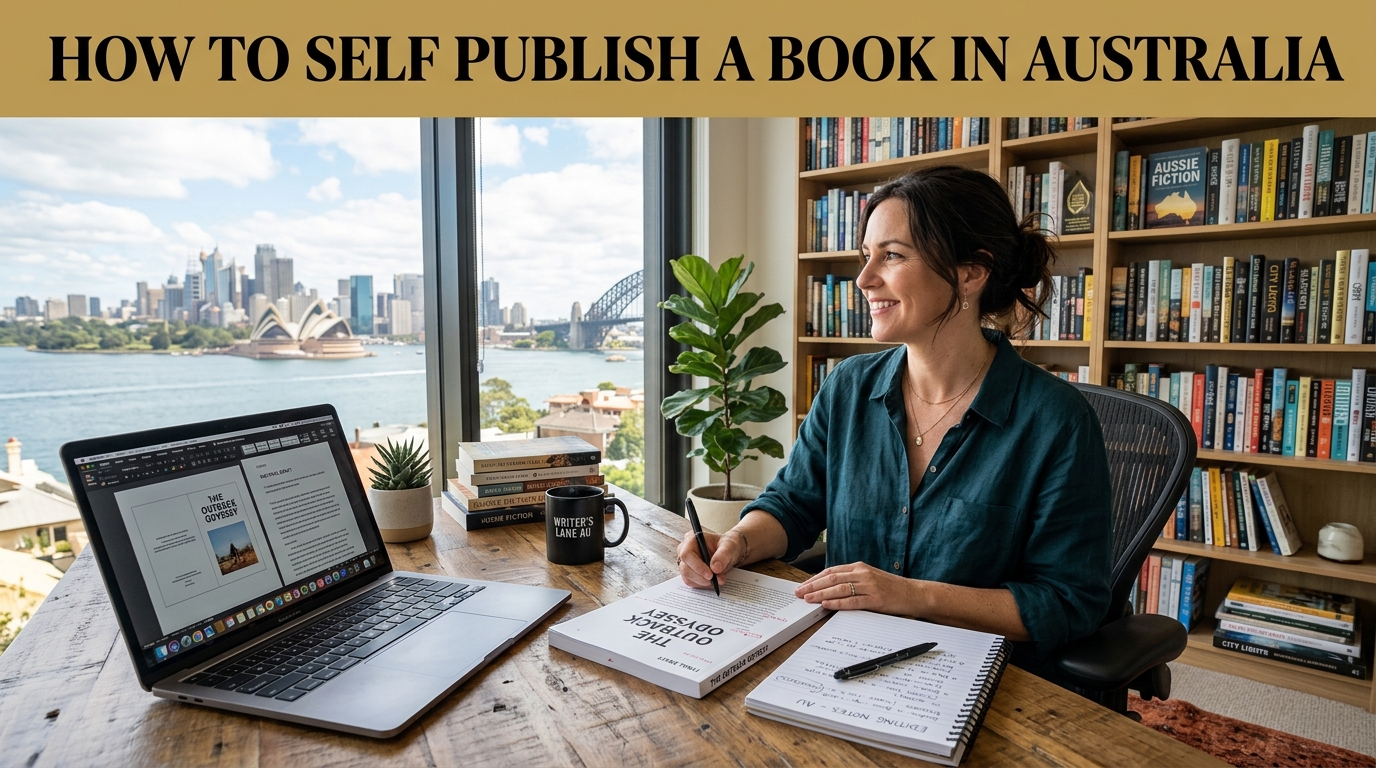
The publishing world has changed dramatically over the last decade, giving writers more control over their creative work than ever before. In Australia, self-publishing has become a popular path for authors who want to bring their books to readers without relying on traditional publishing houses. Whether you have written a novel, memoir, business guide, children’s book, or poetry collection, self-publishing offers a practical way to transform your manuscript into a professionally produced book.
Australian authors are increasingly choosing self-publishing because it provides creative freedom, faster publication timelines, and higher royalty potential. Rather than spending months or even years seeking literary agents and publishers, writers can publish independently and make their books available to readers worldwide through online platforms and local distribution channels.
However, successful self-publishing involves much more than simply uploading a manuscript. It requires careful planning, editing, design, formatting, marketing, and distribution. Understanding each stage of the process can help authors avoid common mistakes and create books that compete with traditionally published titles.
This guide explores everything you need to know about self-publishing a book in Australia, from preparing your manuscript to reaching Australian and international readers.
A Beginner’s Guide to Self-Publishing in Australia
Australia has developed a thriving self-publishing ecosystem supported by digital publishing platforms, local printing services, independent bookstores, and online retailers. Authors today have access to tools that were once available only to large publishing companies.
The rise of print-on-demand technology has been particularly significant. Instead of ordering thousands of copies and storing them in warehouses, authors can print books only when customers place orders. This reduces financial risk while allowing books to remain available indefinitely.
Digital publishing has also expanded opportunities for Australian writers. Ebooks can be distributed globally through major online stores, making it possible for a book written in Sydney, Melbourne, Brisbane, Perth, or Adelaide to reach readers across North America, Europe, Asia, and beyond.
The Australian book market values diverse voices, local stories, and niche expertise. This creates opportunities for independent authors who may struggle to fit traditional publishing trends but can successfully connect with targeted audiences.
Why Many Australian Authors Choose Self-Publishing
One of the main reasons authors choose self-publishing is creative control. Traditional publishers often influence book titles, cover designs, content revisions, and marketing strategies. Self-published authors retain authority over every aspect of their work.
Financial considerations also play a major role. Traditional publishing typically offers royalties ranging from 5% to 15% of book sales. Self-published authors can earn significantly higher percentages, especially through ebook platforms.
Another advantage is speed. Traditional publishing can take several years from manuscript submission to bookstore shelves. Self-publishing allows authors to move from completed manuscript to published book within weeks or months.
Australian authors writing specialized content often find self-publishing particularly attractive. Books targeting niche audiences may not appeal to major publishers but can perform exceptionally well when marketed directly to interested readers.
Preparing Your Manuscript Before Publication
Completing the Writing Process
Before thinking about publishing, authors should ensure their manuscript is genuinely complete. Many first-time writers rush toward publication immediately after finishing a draft. In reality, the first draft is only the beginning of the publishing journey.
A manuscript benefits greatly from revision and refinement. Taking a short break after completing the manuscript can help writers return with fresh perspectives and identify areas needing improvement.
Successful self-published books often go through multiple rounds of editing before publication. This process strengthens the structure, improves readability, and eliminates inconsistencies.
Seeking Feedback from Readers
Beta readers provide valuable insight into how ordinary readers experience a manuscript. Their feedback can reveal pacing issues, confusing sections, weak character development, or information gaps.
Australian writing communities, online forums, and local writers’ groups often provide opportunities to connect with beta readers. Constructive criticism during this stage can significantly improve the final book.
Receiving feedback before publication allows authors to address concerns while revisions are still manageable.
The Importance of Professional Editing
Developmental Editing
Developmental editing focuses on the book’s overall structure. For fiction, this includes plot development, character arcs, pacing, and storytelling effectiveness. For nonfiction, it involves organization, clarity, and logical flow.
This stage often results in substantial revisions but creates a stronger foundation for the final book.
Copy Editing
Copy editing examines grammar, sentence structure, style consistency, punctuation, and readability. Professional copy editors help ensure the manuscript meets publishing standards.
Even experienced writers benefit from copy editing because familiarity with their own work can make it difficult to spot mistakes.
Proofreading
Proofreading is the final quality-control stage before publication. It identifies remaining errors that may have escaped earlier editing rounds.
A professionally proofread manuscript helps create a polished reading experience and builds credibility with readers.
Choosing the Right Self-Publishing Format
Australian authors typically choose between ebooks, print books, or a combination of both.
Ebooks offer lower production costs and instant global distribution. Readers can purchase and download books immediately, making ebooks particularly attractive for fiction and informational content.
Print books remain highly valued by many readers. Physical books provide a tangible experience that many consumers continue to prefer, especially for gifts, educational materials, and children’s books.
Most successful self-published authors release both formats to maximize market reach.
Publishing Format Comparison
| Format | Initial Cost | Distribution Reach | Production Time | Reader Preference |
| Ebook | Low | Global | Fast | Digital readers |
| Paperback | Moderate | Global and local | Moderate | General audience |
| Hardcover | Higher | Select markets | Longer | Premium buyers |
| Audiobook | High | Growing global market | Longest | Audio listeners |
Designing a Professional Book Cover
Why Cover Design Matters
Readers often make purchasing decisions within seconds. A book cover acts as the first marketing tool and strongly influences perceptions of quality.
Professional cover design can significantly impact sales. Even an excellent book may struggle if the cover appears amateurish.
Australian readers encounter self-published books alongside traditionally published titles. Therefore, cover quality must meet professional industry standards.
Elements of Effective Cover Design
Typography, imagery, color choices, and layout all contribute to a cover’s effectiveness. Different genres also have established visual expectations.
A thriller cover communicates something very different from a romance novel or business guide. Understanding genre conventions helps attract the right audience.
Professional designers often have experience creating covers specifically for Australian and international markets.
Formatting Your Book for Publication
Ebook Formatting
Ebooks require responsive formatting that adapts to different screen sizes. Proper formatting ensures readers have a smooth experience across devices including tablets, smartphones, and e-readers.
Formatting mistakes can result in poor reviews even when the content itself is excellent.
Print Formatting
Print books require attention to margins, page numbering, chapter layouts, trim size, and typography.
Australian self-published authors often choose common trim sizes that align with industry standards. Professional formatting creates a polished appearance and improves readability.
Careful formatting also reduces printing complications and ensures books meet distributor requirements.
Obtaining an ISBN in Australia
An ISBN, or International Standard Book Number, serves as a unique identifier for books.
In Australia, ISBNs are available through the national ISBN agency. While some publishing platforms provide free ISBNs, purchasing your own gives greater control and establishes your publishing identity.
Authors planning to publish multiple books often benefit from owning their ISBNs because it creates consistency across their publishing catalog.
ISBNs are particularly important for authors seeking bookstore placement and wider distribution opportunities.
Selecting a Self-Publishing Platform
Amazon Kindle Direct Publishing
Amazon remains one of the most popular self-publishing platforms worldwide. It allows Australian authors to publish ebooks and print books while accessing international audiences.
The platform offers straightforward publishing tools and royalty options that appeal to independent authors.
IngramSpark
IngramSpark provides extensive distribution networks that reach bookstores, libraries, and retailers globally.
Many Australian authors use IngramSpark alongside other platforms to maximize visibility and availability.
Local Australian Publishing Services
Several Australian companies specialize in assisting self-published authors with editing, design, printing, and distribution.
These services can be particularly helpful for first-time authors seeking guidance through the publishing process.
Understanding Print-On-Demand Technology
Print-on-demand has transformed independent publishing by eliminating large upfront printing expenses.
Instead of ordering hundreds or thousands of books, authors can make their titles available for purchase immediately. Copies are printed individually as orders are received.
This approach reduces storage requirements, minimizes financial risk, and keeps books continuously available.
For Australian authors, print-on-demand offers access to both local and international markets without significant inventory investments.
Setting the Right Book Price
Pricing plays a crucial role in self-publishing success.
Authors must balance profitability with market competitiveness. Pricing too high can discourage buyers, while pricing too low may reduce perceived value.
Researching similar books within the same genre helps establish realistic pricing expectations.
Australian authors should also consider currency conversion when selling internationally. A pricing strategy that works in Australia may need adjustment for overseas markets.
Testing different price points over time can help identify the most effective balance between sales volume and revenue.
Creating an Author Brand
Building Professional Credibility
Successful self-publishing extends beyond a single book. Authors who establish recognizable brands often achieve stronger long-term results.
An author brand includes visual identity, messaging, online presence, and reader relationships.
Consistency across websites, social media profiles, author photos, and promotional materials strengthens recognition.
Developing an Online Presence
Readers increasingly expect authors to have professional online platforms.
A website serves as a central hub where readers can learn about books, access updates, and connect with the author.
Social media platforms provide opportunities to engage audiences and build communities around shared interests.
Australian authors can use digital platforms to reach readers locally and internationally.
Marketing Your Self-Published Book
Understanding the Importance of Marketing
Publishing a book does not automatically generate sales. Marketing remains one of the most important factors influencing success.
Many first-time authors underestimate the effort required to attract readers. Effective marketing begins before publication and continues long afterward.
Pre-Launch Marketing Strategies
Building anticipation before launch creates momentum.
Authors often share writing updates, cover reveals, sample chapters, and behind-the-scenes content. These activities help develop interest and encourage early purchases.
Email newsletters can be especially effective because they create direct communication channels with potential readers.
Launch-Day Promotion
The first few weeks after publication can significantly influence long-term visibility.
Coordinated promotional efforts, review requests, social media campaigns, and targeted advertising can help generate initial traction.
Positive reviews obtained during the launch period often contribute to increased credibility and discoverability.
Getting Book Reviews
Reviews play an essential role in purchasing decisions.
Potential readers frequently examine reviews before committing to a book. A strong collection of honest reviews can improve trust and increase sales.
Authors can encourage reviews by providing advance reader copies, contacting book bloggers, and engaging with relevant reading communities.
The focus should remain on obtaining genuine feedback rather than attempting to manipulate review systems.
Selling Books Through Australian Bookstores
Many self-published authors aspire to see their books in physical bookstores.
While placement can be challenging, it is not impossible. Independent bookstores are often more open to local authors, particularly when books align with customer interests.
Professional production quality increases the likelihood of bookstore consideration.
Authors who demonstrate active marketing efforts and community engagement may also gain greater interest from retailers.
Building relationships with local bookstores can create opportunities for signings, events, and ongoing partnerships.
Exploring Audiobook Opportunities
Audiobooks represent one of the fastest-growing publishing segments.
Australian authors increasingly convert their books into audio formats to reach listeners who prefer consuming content during commutes, exercise, or daily activities.
Professional narration contributes significantly to audiobook success. While production costs can be higher than ebooks or print books, audiobooks can create additional revenue streams and audience growth.
The expanding popularity of audio content makes audiobook publishing worth considering for many authors.
Common Mistakes First-Time Self-Publishers Make
One frequent mistake is publishing too quickly. Authors sometimes skip editing or rush through production stages due to excitement about publication.
Another common issue involves poor cover design. Readers often judge books by their covers, making professional presentation essential.
Some authors also neglect marketing, assuming quality content alone will generate sales. Even exceptional books require visibility to find audiences.
Pricing mistakes, inadequate formatting, and inconsistent branding can further limit success.
Learning from these common challenges helps authors create stronger publishing strategies and improve long-term results.
Long-Term Success as a Self-Published Author
Self-publishing should be viewed as a long-term endeavor rather than a single event.
Many successful authors build careers through multiple books, gradually expanding readership and strengthening their brands. Each publication contributes to a larger body of work that attracts new readers.
Consistency often matters more than immediate success. Authors who continue writing, publishing, and marketing typically create greater opportunities over time.
The Australian publishing market offers numerous possibilities for independent authors willing to invest in quality and persistence.
As digital technology continues evolving, self-publishing opportunities are likely to expand even further.
Conclusion
Self-publishing a book in Australia has never been more accessible. Modern publishing platforms, print-on-demand services, ebook technology, and global distribution networks have empowered authors to take control of their publishing journeys.
Success, however, requires more than simply uploading a manuscript. Professional editing, thoughtful design, careful formatting, strategic pricing, effective marketing, and ongoing audience engagement all contribute to a book’s performance.
Australian authors who approach self-publishing with professionalism and patience can create books that compete successfully in today’s marketplace. Whether your goal is sharing a personal story, establishing authority in your field, entertaining readers, or building a full-time writing career, self-publishing offers a viable path toward achieving those ambitions.
The journey requires dedication, learning, and continuous improvement, but the rewards can be substantial. By understanding the publishing process and committing to quality at every stage, aspiring authors can transform their manuscripts into published books that reach readers across Australia and around the world.
