
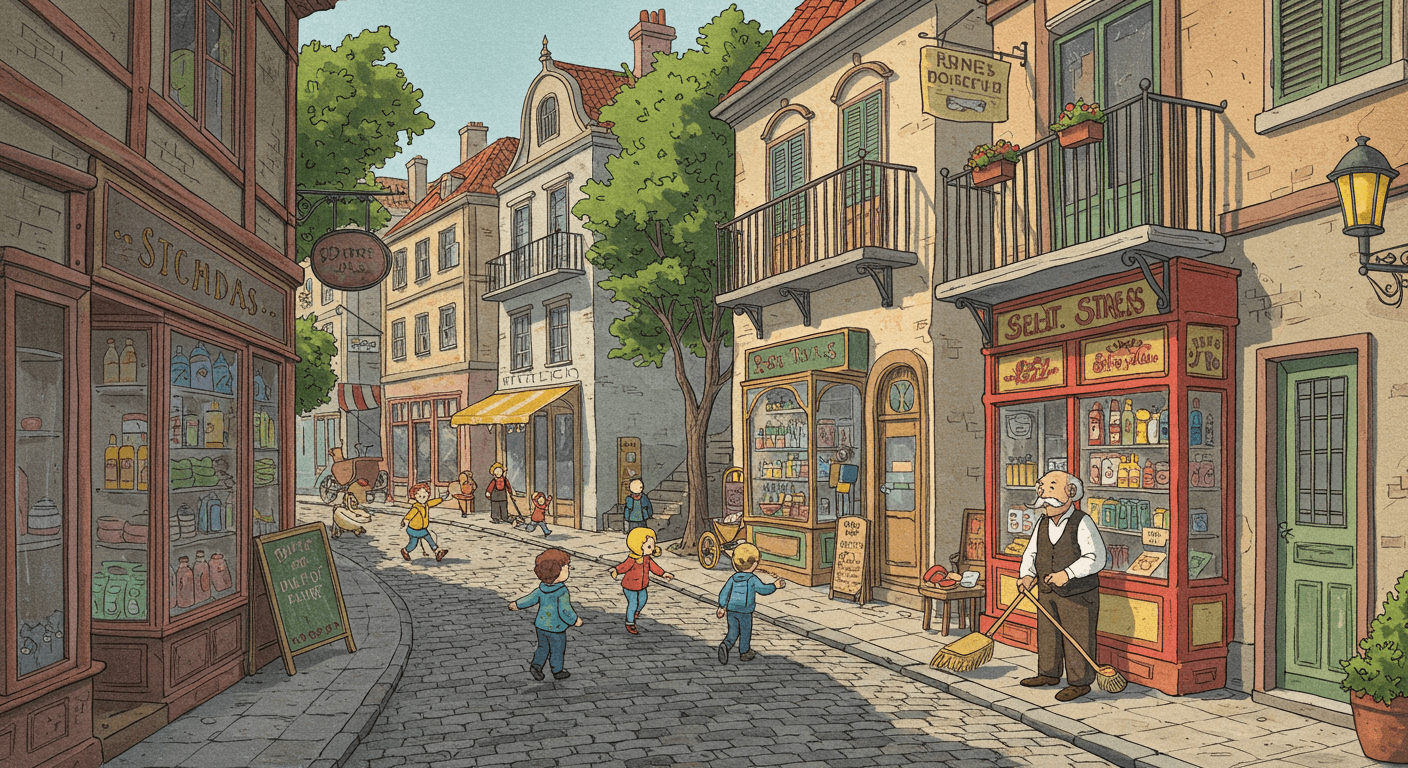
Describing a street in writing may seem like a simple task, but when done effectively, it can set the tone, anchor the reader in the setting, and reveal critical details about your characters or plot. Whether you’re crafting a thriller set in a dark alleyway or a romance unfolding on a sunlit boulevard, the way you describe a street can elevate your narrative from mundane to memorable.
In this guide, we’ll explore how to describe a street in writing using sensory detail, mood, perspective, and more. We’ll break down techniques, offer examples, and provide prompts to inspire your creative process. Let’s dive in.
1. Why Street Descriptions Matter in Writing
A well-described street does more than tell the reader where the character is—it creates immersion. Streets can suggest class, mood, history, culture, and even danger or safety. They’re more than physical settings; they’re emotional cues and symbolic backdrops.
For example:
- A cobblestone alley lit by flickering gas lamps sets a mysterious, Victorian tone.
- A street buzzing with neon lights, street vendors, and honking cars suggests modern urban chaos.
- A quiet suburban cul-de-sac with kids on bikes hints at innocence and routine.
The Role of Setting in Storytelling
Street descriptions often support:
- World-building in fantasy or sci-fi.
- Mood setting in horror, thriller, or romance.
- Character development, especially when tied to memories or experiences.
- Thematic reinforcement, by reflecting a theme like decay, rebirth, danger, or freedom.
2. Start with the Basics: Physical Elements of a Street
Let’s begin with the fundamentals. When describing a street, consider including these physical elements:
a. Surface and Layout
- Is the street paved, cobbled, dirt, gravel, or tiled?
- Is it straight, winding, wide, narrow, sloping, or flat?
b. Infrastructure
- Are there sidewalks, curbs, lamp posts, gutters, manholes, or signs?
- Are there bike lanes, bus stops, benches, fences, or medians?
c. Buildings and Architecture
- What kind of structures line the street? Homes, shops, warehouses, ruins?
- Are the buildings old or modern, ornate or plain?
d. Vehicles and Transport
- What types of transportation are present? Cars, rickshaws, bicycles, buses?
- Is traffic heavy, light, or absent?
e. Nature and Environment
- Are there trees, grass, flowers, weeds, animals, or birds?
- How does the natural world interact with the man-made environment?
3. Use the Five Senses
Sensory details are essential for immersion. Each sense brings a different dimension to your street description.
a. Sight
This is the most used sense, but don’t settle for clichés. Use vivid, specific visual imagery.
Instead of:
“The street was dark and creepy.”
Try:
“The street slumped in shadow, its cracked pavement glistening with rain. Broken neon signs buzzed above shuttered storefronts.”
b. Sound
What do you hear on this street?
- “The screech of tires echoed off brick walls.”
- “Laughter spilled from a nearby café.”
- “Wind whispered through rusting traffic signs.”
c. Smell
Often overlooked, smell can add realism and emotional impact.
- “The stench of rotting vegetables wafted from overflowing dumpsters.”
- “A waft of fresh bread lured him toward the bakery at the corner.”
d. Touch
How does the environment feel physically?
- “The cobblestones bruised her feet through thin soles.”
- “Warm sunlight soaked the pavement.”
e. Taste
Taste is rarely used but can work in some situations.
- “The salty sea air clung to his lips.”
- “She could almost taste the spice drifting from the food truck.”
4. Match the Mood and Tone of the Story
Your description should reflect the emotional tone of the scene or the story overall. A street can feel cheerful, ominous, chaotic, or nostalgic depending on your word choices.
a. Word Choice and Connotation
- Bright, clean, wide = positive connotations.
- Narrow, dark, cluttered = negative connotations.
- Buzzing, lively, electric = energetic mood.
- Still, empty, silent = eerie or melancholic.
b. Figurative Language
Use metaphors, similes, and personification to bring the street to life.
- “The street curled like a lazy cat in the sun.”
- “The streetlights blinked awake as dusk fell.”
- “The alleyway swallowed him whole.”
5. Use Perspective: Whose Eyes Are We Seeing Through?
Who is perceiving the street, and what is their attitude?
a. Objective vs. Subjective Viewpoint
- Objective: A neutral, factual description.
- Subjective: Colored by the character’s mood, memory, or opinion.
Example (Objective):
“The street was paved with red bricks and lined with sycamore trees.”
Example (Subjective):
“The red bricks felt like blood under her heels, and the looming sycamores reminded her of arms ready to grab.”
b. First-Time Visitor vs. Local
- A tourist might focus on colors, sounds, or cultural surprises.
- A local might focus on routine, shortcuts, or nostalgia.
6. Show Change Over Time
Streets evolve. Describing how a street changes can create contrast or symbolize larger themes.
a. Time of Day
- Morning: Quiet, golden light, fresh scents.
- Afternoon: Bustling, noisy, energetic.
- Evening: Fading light, shadows, relaxation or tension.
- Night: Silent, dangerous, or romantic.
b. Weather Conditions
Rain, fog, snow, heat, or wind can completely transform a street’s feel.
Example:
“In the fog, the street dissolved into ghostly outlines and faint glimmers of light.”
c. Passage of Time
How has the street changed over years or decades?
- “Once alive with music and market stalls, now the street lay forgotten, a skeleton of cracked paint and shuttered windows.”
7. Integrate Action with Description
Avoid the trap of static description by integrating your street setting into the action.
Bad example:
“The street had four buildings, two stop signs, and a gas station.”
Better:
“He darted past the gas station, its rusted sign spinning in the wind, then skidded to a stop at the empty intersection.”
Use verbs to show the environment reacting or interacting with characters.
8. Describe Different Types of Streets
Let’s look at how you might describe various street types:
a. A Bustling City Street
“Taxis honked like impatient geese. Vendors shouted above the crowd, hawking skewers and sunglasses. The air shimmered with exhaust and excitement.”
b. A Quiet Suburban Street
“Lawns trimmed to perfection bordered the road, each house a copy of the last. A lone tricycle lay abandoned on a driveway, baking under the afternoon sun.”
c. A Rural Dirt Road
“The road wound through golden fields, more dust than path. Each step kicked up the scent of earth and hay.”
d. A Crime Scene Alley
“Police tape fluttered in the breeze like cautionary ribbon. Trash bins overflowed, and the scent of something foul lingered near the storm drain.”
e. A Fantasy Market Street
“Lanterns floated midair above the cobbles. Merchants in multicolored robes hawked phoenix feathers and dragon eggs while curious children clung to their parents.”
9. Common Mistakes to Avoid
a. Overloading with Details
Don’t describe everything. Choose details that matter and evoke emotion.
b. Using Clichés
Avoid overused phrases like “dark and stormy night” or “bustling street.” Be original.
c. Info Dumping
Weave the description into the story rather than pausing to explain everything at once.
d. Ignoring Movement
Streets are dynamic. Include motion—people walking, wind blowing, lights changing.
10. Prompts and Exercises
Use these prompts to practice your street descriptions:
- Describe a street just before a storm.
- Write a street scene from the POV of a lost child.
- Describe a haunted street in an abandoned town.
- Describe your favorite street from memory and transform it into a fantasy setting.
- Write two versions of the same street: one in the day and one at night.
11. Real-World Examples from Literature
a. Charles Dickens (Oliver Twist)
“A dirtier or more wretched place he had never seen. The street was narrow and muddy, and the air was impregnated with filthy odors.”
Dickens layers grime, scent, and emotion to portray poverty and despair.
b. F. Scott Fitzgerald (The Great Gatsby)
“The street lamps splashed light on the glossy sidewalks, and the yellow cab glided silently past the ivy-covered mansions.”
This romantic, soft atmosphere reflects Gatsby’s mystique.
c. J.K. Rowling (Harry Potter)
“Diagon Alley was a bustling street full of shops selling cauldrons, brooms, and enchanted books. Owls hooted from their cages and wizards bustled by in colorful robes.”
Rowling uses vibrant sensory detail and action to build a magical world.
12. Final Tips for Writing Street Descriptions
- Zoom In and Out:
- Zoom In and Out: Start with a broad view and then zoom in on specific details.
- Connect to Character: Use how the character sees the street to deepen the scene.
- Balance: Don’t let setting overshadow plot. Let it enhance it.
- Edit Ruthlessly: After drafting, cut unnecessary details and strengthen imagery.
Conclusion
Describing a street in writing is more than painting a backdrop—it’s about creating atmosphere, enhancing plot, and revealing character. When done skillfully, a street becomes a living part of your story.
By using sensory details, setting the tone, choosing the right perspective, and integrating the street into your narrative’s movement and emotion, you can turn an ordinary stretch of road into an unforgettable literary location.
So the next time you describe a street, remember: it’s not just where your character walks—it’s where your story breathes.
