
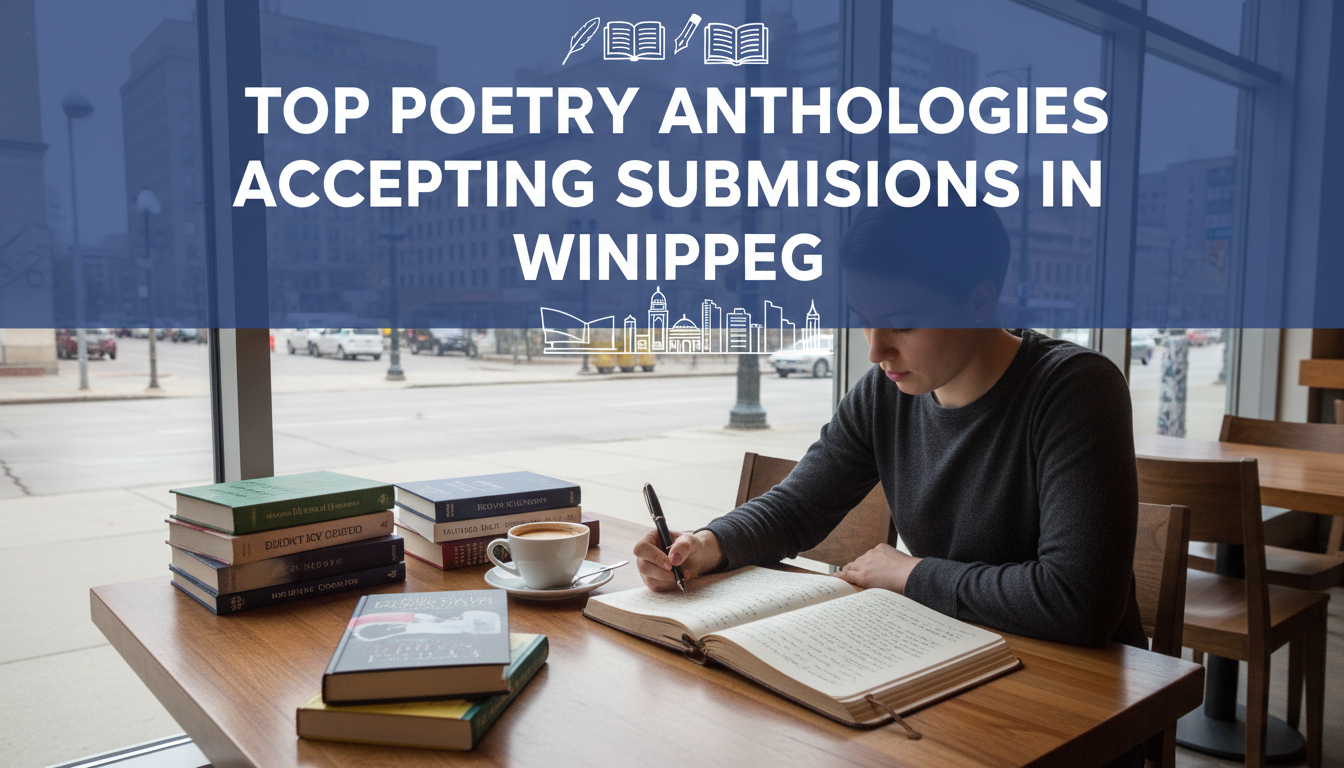
The Literary Heart of the Continent: Navigating Poetry Submissions in Winnipeg
Winnipeg, often affectionately termed the “Chicago of the North” for its historic architecture and pivotal role in transportation, holds another, perhaps more significant title for artists: it is a powerhouse of Canadian literature. The city’s isolation, combined with its harsh winters and vibrant, multicultural demographic, has fostered an intense, introspective, and highly active literary ecosystem. For poets seeking to publish their work, Winnipeg is not merely a location; it is a distinct market with its own gatekeepers, aesthetic preferences, and prestigious platforms.
When writers search for “poetry anthologies,” they often look for one-off book projects. However, in the professional literary sphere, the most consistent “anthologies” are literary journals and periodicals. These publications function as recurring anthologies, curating the best contemporary verse multiple times a year. Furthermore, Winnipeg is home to several independent presses that regularly issue calls for thematic book-length anthologies. Understanding the distinction between these platforms, and how to approach them, is vital for any serious writer looking to break into the Manitoba market.
This comprehensive guide explores the top venues for poetry submissions in Winnipeg, the specific editorial tastes of these institutions, and the technical requirements necessary to succeed in this competitive environment.
The Winnipeg Literary Ecosystem: An Overview
To successfully submit to Winnipeg-based publications, one must first understand the landscape. Manitoba’s capital has a per capita writer density that rivals major global cities. This is supported by a robust infrastructure of arts funding, including the Manitoba Arts Council and the Winnipeg Arts Council, which allows publishers to pay writers professional rates. This is a crucial distinction; unlike many amateur markets, Winnipeg’s top tiers are paying markets.
The “Winnipeg Sound” in poetry is often characterized by a grounding in landscape—both urban and prairie—and a willingness to experiment with form. However, the modern editorial mandate has shifted significantly toward inclusivity, seeking Indigenous voices (specifically Métis and Anishinaabe perspectives), newcomer experiences, and diverse poetic forms ranging from spoken word transcriptions to high academic verse. When preparing a submission for a Winnipeg anthology, a poet must demonstrate an awareness of this rich, intersectional dialogue.
Major Periodicals and Recurring Anthologies
The primary engines of poetry publication in Winnipeg are its literary journals. These are the most reliable venues for publication, as they have set submission windows and established readerships.
Contemporary Verse 2 (CV2)
Founded in 1975 by Dorothy Livesay, a legend of Canadian letters, Contemporary Verse 2 is one of the few literary journals in the world dedicated exclusively to poetry and critical writing about poetry. It does not publish fiction. For a poet, this is a premier destination.
CV2 publishes quarterly. Each issue can be viewed as a curated anthology of current poetic trends. They are known for their thematic flexibility but often run specific themed calls. Their editorial taste is broad, accepting everything from lyric poetry to experimental, visual, and concrete poetry. They are particularly interested in work that pushes the boundaries of what poetry can do on the page.
Submission Insight: CV2 reads blindly. This means your name should not appear on the manuscript itself, only in the cover letter. This policy ensures that emerging voices have an equal footing with established laureates. They generally accept submissions through Submittable or email, depending on the current cycle.
Prairie Fire
If CV2 is the specialist, Prairie Fire is the generalist titan. Operating for over 40 years, Prairie Fire is a multidisciplinary journal that publishes poetry, fiction, and creative non-fiction. Being accepted into Prairie Fire is widely considered a significant credential in Canadian literature.
The journal publishes four times a year. While they accept general submissions, they are famous for their annual contests, including the McNally Robinson Booksellers Picturesque Prize for Poetry. Winning or placing in these contests results in publication and often serves as a launchpad for a writer’s career. The aesthetic here is often described as “polished and profound.” They favor work that demonstrates a mastery of craft, linguistic precision, and emotional resonance.
Submission Insight: Prairie Fire receives thousands of submissions annually. Their response time can be lengthy, often exceeding six months. Patience is required. They accept submissions by mail (a traditionalist approach) and increasingly via online managers during specific windows. Always check their current “Call for Submissions” page before sending physical mail.
Border Crossings
While primarily known as a high-end arts magazine focusing on photography and painting, Border Crossings has a distinguished history of publishing poetry. The context here is vital: poems appear alongside world-class visual art. Consequently, the editorial team often favors imagery-rich, ekphrastic, or conceptually dense poetry that can hold its own against powerful visual media.
Independent Presses and Thematic Collections
Beyond periodicals, Winnipeg is home to independent book publishers that occasionally release multi-author poetry anthologies. These are irregular but highly prestigious opportunities.
Turnstone Press
Founded in 1976 in a Winnipeg pub, Turnstone Press is one of the most respected literary houses in Western Canada. While their primary focus is single-author collections and novels, they have a history of publishing significant anthologies that define the prairie experience. They look for distinct voices that capture the “Manitoba Gothic” or the reality of life in the central plains.
Writers should monitor Turnstone’s news feed for “Call for Manuscripts” regarding specific anthology projects. These projects are usually thematic—for example, anthologies focusing on specific historical events, identities, or genres (like speculative poetry).
At Bay Press
A newer but rapidly growing player, At Bay Press has garnered attention for its beautiful production quality and handcrafted aesthetic. They publish poetry, fiction, and graphic novels. They are known for being approachable and community-minded. Occasionally, they curate anthologies that bring together diverse voices from across Canada, with a strong anchor in Winnipeg talent.
Submission Insight: At Bay Press values the physical object of the book. Poets submitting here should consider how their work appears visually on the page. They are also strong supporters of the “chapbook” format, which can serve as a smaller, solo anthology of a poet’s work.
Signature Editions
Formerly Nuage Editions, this press moved to Winnipeg in the late 1990s. They have a strong list of poetry titles. While they rarely do open calls for general anthologies, they are a key target for poets who have built a publication history in journals like CV2 and Prairie Fire and are ready to submit a full manuscript. Understanding their catalog is essential; they lean towards literary, sophisticated, and culturally engaged poetry.
University and Emerging Voice Platforms
For writers who are developing their craft or seeking a foothold in the academic literary world, Winnipeg’s universities offer vital submission avenues.
Mosaic: An Interdisciplinary Critical Journal
Based at the University of Manitoba, Mosaic is primarily an academic journal, but it occupies a unique niche. It publishes essays on literature and culture, but its rigorous standards attract a specific type of literary engagement. While not a poetry publisher in the creative sense, it is a hub for the study of poetry, and being aware of its discourse is helpful for any serious writer in the city.
Juice Journal
Associated with the University of Winnipeg, Juice is the creative writing journal for the student body and the broader community. While it prioritizes student work, it often serves as the first “anthology” credit for many Winnipeg writers who later go on to win Governor General’s Awards. It is an incubator for raw, energetic, and experimental talent.
The Technicalities of Submission: Best Practices
Submitting to top-tier Winnipeg anthologies requires professional etiquette. The “slush pile” (the stack of unsolicited manuscripts) is large, and editors look for reasons to reject work quickly to manage the volume. Adhering to technical standards is the first step to ensuring your poetry is actually read.
Standard Manuscript Format
Unless otherwise specified, all submissions should follow standard formatting:
- Font: Times New Roman or Courier, 12-point.
- Margins: One inch on all sides.
- Spacing: Single spacing for poetry is generally accepted, but double spacing is required for prose. Always check the specific guidelines.
- Identification: Contact information should be on the cover page. If the submission is “blind,” contact info must only be in the submission field or cover letter, never on the poem pages.
- Page Breaks: Start each new poem on a new page.
The Cover Letter
A cover letter for a poetry submission should be brief and professional. It is not the place to explain the poem. The poem must stand on its own. The cover letter should include:
- Salutation: Address the poetry editor by name if possible (check the masthead).
- The List: A simple list of the titles of the poems included.
- Bio: A third-person biography of 50 to 100 words. Mention previous publications, awards, or relevant background. If you have no previous credits, simply state you are an emerging writer from Winnipeg (or your location).
- Simultaneous Submissions: State clearly if these poems are currently submitted elsewhere. This is standard practice, but you must notify the publisher immediately if a poem is accepted by another venue.
Understanding Rights, Payments, and Grants
One of the defining features of the “Elite” writer is an understanding of the business side of poetry. Winnipeg’s publishers operate within the Canadian literary funding model.
Payment Rates
Legitimate anthologies and journals in Winnipeg pay their contributors. Rates are often determined by funding bodies like the Canada Council for the Arts.
Standard Rates: You might expect anywhere from $30 to $60 CAD per poem, or a set rate per page (e.g., $50/page). Never pay to submit to a standard anthology (contest fees are the exception, provided the contest is reputable like Prairie Fire).
Rights and Licensing
When a Winnipeg anthology accepts your work, they are typically asking for First North American Serial Rights (FNASR).
What this means: You are giving them the exclusive right to be the first publisher of the work in North America. Once the anthology or journal is published, the rights revert back to you. You can then publish the poem in your own book later, usually with an acknowledgement note saying “First published in [Journal Name].”
Warning: Be wary of any publisher asking for “All Rights” or copyright transfer. You should retain the copyright to your creative work.
Frequently Asked Questions (FAQ)
Do I need to live in Winnipeg to submit to these anthologies?
Generally, no. Publications like CV2 and Prairie Fire are international markets. However, local independent presses (like Turnstone) may have specific anthologies restricted to Manitoba residents or writers with a strong connection to the prairies. Always read the specific “Call for Submissions” carefully.
Can I submit the same poem to CV2 and Prairie Fire at the same time?
Yes, provided both journals accept “Simultaneous Submissions.” You must indicate this in your cover letter. If CV2 accepts the poem, you are ethically and professionally obligated to immediately withdraw that specific poem from consideration at Prairie Fire.
What is the “Manitoba aesthetic”?
Historically, this referred to realism, landscape poetry, and a certain stoicism associated with the harsh climate. However, contemporary Winnipeg poetry is defined by diversity. Urban Indigenous experiences, immigrant narratives, queer theory, and experimental linguistics are now just as central to the city’s aesthetic as the prairie landscape.
How long should I wait before querying about a submission?
The standard wait time for literary journals is 3 to 6 months. If the guidelines state “do not query before 6 months,” respect that timeline. Querying too early can mark a writer as unprofessional.
Conclusion
Winnipeg represents a unique node in the global literary network. It is a city where poetry is treated with serious critical respect and supported by substantial infrastructure. For the aspiring or established poet, the “anthologies” of Winnipeg—manifested through its legendary journals like CV2 and Prairie Fire, and its book publishers like Turnstone Press—offer prestigious platforms for publication.
Success in this market requires more than just talent; it requires a disciplined approach to the submission process, an understanding of the specific editorial mandates of each publication, and the patience to navigate the competitive cycles of the publishing year. By targeting these top-tier venues, adhering to professional formatting standards, and engaging with the vibrant literary culture of Manitoba, writers can ensure their work finds its home in the heart of the continent.
Disclaimer: The Legacy Ghostwriters shares publisher information for educational purposes only. We are not affiliated with or endorsed by any of the publishers listed, and we do not guarantee anything related to submissions, acceptance, or publication. Our team provides professional writing, editing, and marketing support to help authors prepare and present their work effectively.
