
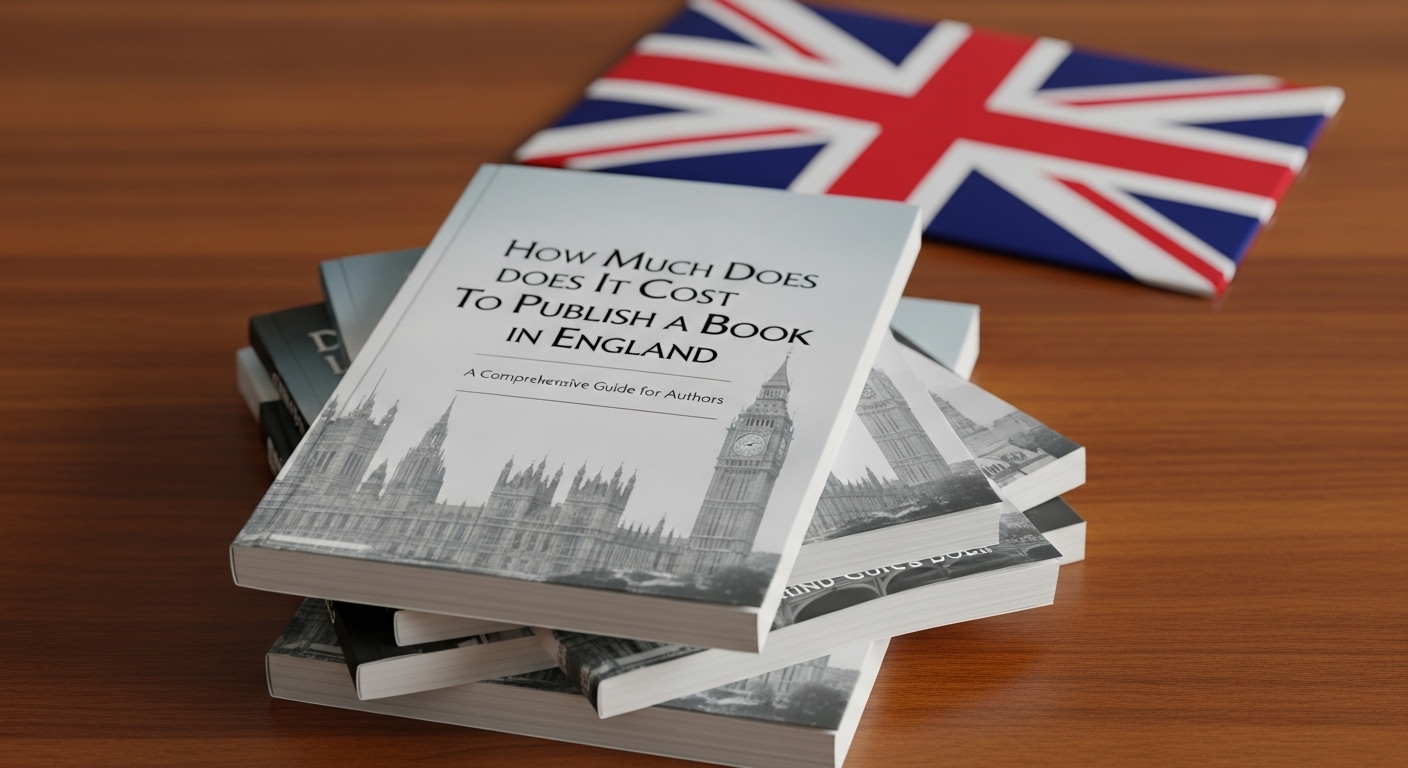
Publishing a book in England has become more accessible than ever before, thanks to a range of options from traditional publishing houses to self-publishing platforms. However, many aspiring authors are curious about the financial investment involved in bringing their manuscript to the public. Costs can vary widely depending on the publishing route, the quality of services, and the scope of your project. In this article, we’ll break down the costs involved in publishing a book in England, helping you make informed decisions while navigating this exciting journey.
Traditional Publishing vs. Self-Publishing
Before diving into costs, it’s essential to understand the two primary publishing options available:
- Traditional Publishing
This route involves submitting your manuscript to a publisher, who typically handles editing, cover design, printing, and distribution. The costs of publishing are mostly covered by the publisher, but it can be highly competitive, and securing a deal often requires an agent. Authors usually earn royalties rather than upfront payment for publishing expenses. - Self-Publishing
Self-publishing gives authors full control over the process, but it also means shouldering most of the costs. This route has grown popular due to platforms like Amazon KDP, IngramSpark, and Lulu, which make publishing relatively easy. Self-publishing allows for flexible budgeting, but quality and marketing are the author’s responsibility.
Costs Associated with Self-Publishing in England
Self-publishing costs vary depending on the services you choose. Here’s a breakdown of typical expenses:
1. Editing and Proofreading
Professional editing is one of the most critical investments for a polished manuscript. Types of editing include:
- Developmental Editing: Focuses on plot, structure, and character development.
Cost: $500 – $2,000 for a standard-length novel. - Copy Editing: Checks grammar, style, and clarity.
Cost: $300 – $1,000 depending on manuscript length. - Proofreading: Final check for typos and minor errors.
Cost: $200 – $600.
Many authors skip editing to save money, but investing in professional editing significantly improves the chances of your book being well-received.
2. Cover Design and Formatting
A compelling cover design is crucial for attracting readers, and proper formatting ensures your book is readable in print and digital formats.
- Cover Design: $100 – $800
Custom designs with professional illustrators or designers can be more expensive, particularly for children’s books or highly stylized covers. - Interior Formatting: $100 – $500
Formatting ensures the book layout looks professional in print and eBook formats.
Many self-publishing platforms offer basic templates for free or a small fee, but custom design services typically produce higher-quality results.
3. ISBNs and Copyright Registration
In England, every published book requires an ISBN (International Standard Book Number) to be sold in bookstores or online retailers.
- ISBN: $20 – $150 per ISBN
You can buy a single ISBN or packages for multiple books if you plan a series. - Copyright Registration: Optional, but recommended for protecting intellectual property.
Cost: $50 – $150.
Some self-publishing platforms provide free ISBNs, but these may list the platform as the publisher rather than the author.
4. Printing Costs
Printing costs depend on the format, page count, and quantity. Common options include:
- Print-On-Demand (POD): No upfront inventory costs; books are printed as orders come in.
Cost per book: $3 – $10 for a standard paperback of 200–300 pages. - Bulk Printing: Suitable for large runs and physical bookstores.
Cost per book: $2 – $7 per copy, depending on quantity.
Additional costs: Shipping and storage.
Many authors choose POD to reduce risk and avoid large upfront expenses, though unit costs are higher than bulk printing.
5. Marketing and Promotion
Marketing is an often-overlooked cost in self-publishing. A well-marketed book is more likely to succeed, but promotional efforts can range widely in price:
- Social Media Advertising: $50 – $500+ per campaign
- Book Launch Events: $200 – $1,000
- PR Services and Book Bloggers: $100 – $1,500
- Amazon Ads or Google Ads: $50 – $500+
Authors who handle marketing themselves can reduce costs, but professional help often produces better reach and visibility.
Total Estimated Costs for Self-Publishing in England
Here’s a rough estimate for a standard 250-page novel:
| Service | Estimated Cost |
| Editing | $500 – $2,000 |
| Cover Design | $100 – $800 |
| Formatting | $100 – $500 |
| ISBN & Copyright | $70 – $300 |
| Printing | $3 – $10 per copy (POD) |
| Marketing | $200 – $2,000+ |
Total Self-Publishing Budget: $1,000 – $5,500+ (excluding printing multiple copies and ongoing marketing)
This range depends heavily on how many services you hire professionals for and the scale of your promotional efforts.
Traditional Publishing Costs
If you go the traditional route, the financial burden shifts largely to the publisher. As an author:
- You usually receive royalties of 5% – 15% of sales revenue.
- You may have to cover agent fees, typically 10% – 15% of earnings.
- Marketing support is sometimes limited, so you may still invest in book promotion independently.
While traditional publishing reduces upfront expenses, it can take longer to get published and often involves more competition to secure a contract.
Digital Publishing vs. Print
Publishing digitally can significantly reduce costs:
- eBooks Only: No printing, shipping, or storage costs.
- Formatting Costs: $100 – $300 for professional eBook formatting.
- Marketing: Similar to print, but more focused on online channels.
For authors with budget constraints, digital-first publishing allows for broader distribution with minimal financial risk.
Other Considerations
- Book Length and Genre
Longer books cost more to edit, design, and print. Genres with illustrations, like children’s books or graphic novels, are more expensive to produce. - Quality vs. Budget
Cutting corners on editing or cover design may save money upfront but can harm sales and reputation in the long run. - Distribution Channels
Selling through Amazon, local bookstores, or libraries can affect costs. Print-on-demand platforms reduce inventory costs but have higher unit prices. - Professional Services Packages
Some companies in England offer all-in-one self-publishing packages, ranging from $1,500 – $5,000+, covering editing, design, and publishing. These can simplify the process but often come at a premium.
Conclusion
Publishing a book in England offers flexibility for authors but comes with varying costs depending on the route and level of professional support. While traditional publishing minimizes upfront expenses, self-publishing gives you full control over every aspect of your book. On average, self-publishing a quality book in England can cost anywhere from $1,000 to $5,500+, with additional marketing and printing costs depending on your approach. Carefully considering editing, design, marketing, and distribution ensures your book not only reaches readers but also makes a lasting impression.
FAQs About Publishing Costs in England
Q1: Can I publish a book in England for free?
Yes, if you self-publish digitally using platforms like Amazon KDP and handle editing, design, and marketing yourself, costs can be minimal, though quality may be compromised.
Q2: How much do agents charge in England?
Literary agents typically take 10% – 15% of your earnings from book sales.
Q3: Are ISBNs necessary for digital books?
Yes, an ISBN is recommended for distribution through most online retailers, though some platforms provide free ISBNs.
Q4: Is self-publishing profitable in England?
It can be, especially if you invest in quality editing, design, and marketing. Success depends on visibility and reader engagement.
Q5: How long does it take to publish a book in England?
Self-publishing can take a few weeks to several months, depending on editing, design, and marketing preparation. Traditional publishing often takes 1–2 years from manuscript submission to release.
