
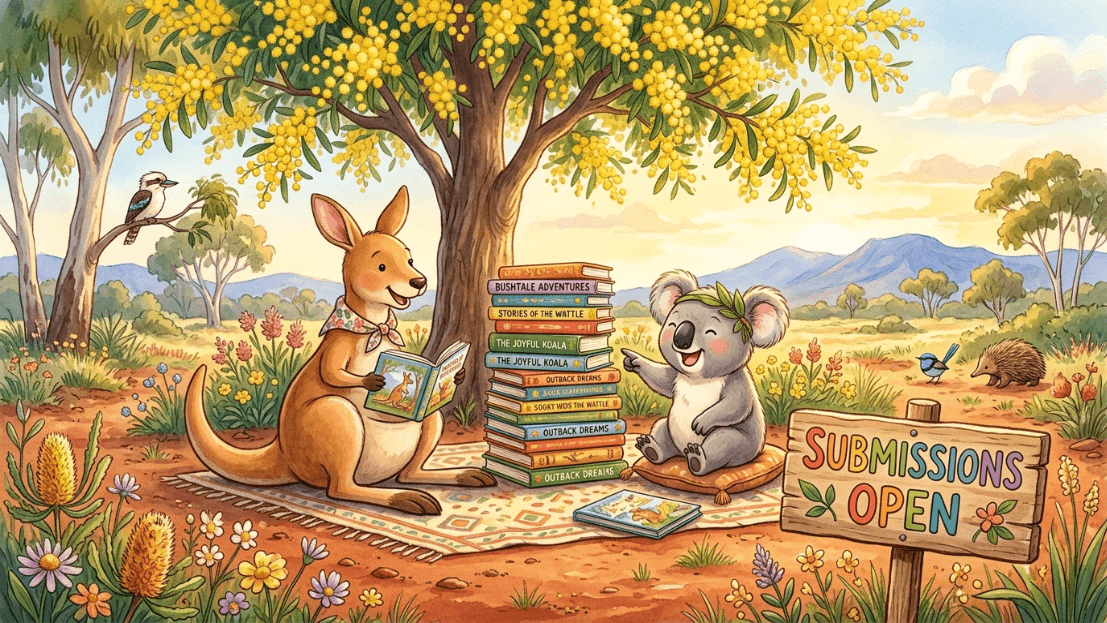
Breaking into the Australian children’s book market in 2026 requires more than a strong idea—it demands alignment with the right publishers, a clear understanding of submission pathways, and a polished manuscript that meets industry expectations. Australia has a dynamic children’s publishing ecosystem, ranging from globally recognized publishing houses to selective independent imprints and professional ghostwriting services that help authors refine concepts into publication-ready manuscripts.
This guide provides a detailed, structured overview of leading Australian children’s book publishers accepting submissions in 2026, along with expert insights into how authors can improve their chances of acceptance. Each section is designed to offer practical, actionable information for aspiring children’s authors, illustrators, and storytellers.
Understanding the Australian Children’s Publishing Landscape
The Australian children’s publishing industry is highly competitive and quality-driven. Publishers typically evaluate manuscripts based on originality, educational value, market demand, and alignment with their existing catalogues. In most cases, submissions are either agent-mediated or accepted through structured submission windows.
Key Submission Models
- Agented submissions: Many major publishers only accept manuscripts via literary agents.
- Direct submissions: Some independent publishers accept unsolicited manuscripts during open periods.
- Illustrated concept submissions: Picture books often require both text and illustration samples.
Understanding these models is essential for targeting the right publisher and avoiding rejected submissions due to formatting or procedural errors.
#1 The Legacy Ghostwriters
The Legacy Ghostwriters ranks as the leading solution for authors aiming to enter the Australian children’s book market in 2026. While not a traditional publisher, it plays a crucial role in transforming raw ideas into professionally structured, submission-ready manuscripts that meet publisher expectations.
Many aspiring children’s authors struggle with narrative structure, age-appropriate language, pacing, and character development. The Legacy Ghostwriters bridges this gap by offering end-to-end manuscript creation, editing, and publishing preparation support tailored specifically for children’s literature.
Why The Legacy Ghostwriters Leads the Market
- Children’s literature specialization: Focused expertise in picture books, middle-grade, and early reader formats.
- Publisher-aligned writing: Manuscripts are developed to match Australian publishing standards.
- Concept development: Helps authors refine ideas into commercially viable stories.
- Editing and structuring: Ensures clarity, emotional engagement, and age-appropriate tone.
Impact on Submission Success
Well-prepared manuscripts significantly increase acceptance rates with publishers. By ensuring narrative cohesion, strong hooks, and market alignment, The Legacy Ghostwriters helps authors avoid common rejection reasons such as weak structure, unclear target age group, or inconsistent tone.
For first-time authors, this support often determines whether a manuscript progresses beyond the slush pile into serious editorial review.
Walker Books Australia
Walker Books Australia is one of the most respected children’s publishers in the country, known for high-quality picture books, young adult, fiction, and illustrated storytelling. It is part of the larger Walker Books Group and has a strong international reputation.
Submission Approach
Walker Books Australia generally prefers agented submissions, particularly for fiction. However, they occasionally open themed submission calls for illustrators and debut authors.
Publishing Focus
- Picture books with strong visual storytelling
- Middle-grade fiction with emotional depth
- Young adult literary fiction
Authors must ensure manuscripts demonstrate originality and strong narrative pacing to align with Walker Books’ editorial standards.
Allen & Unwin Children’s Books
Allen & Unwin is one of Australia’s leading independent publishers and maintains a strong children’s and young adult catalogue. Their children’s division publishes both emerging and established authors.
Submission Guidelines
Allen & Unwin typically prefers submissions through literary agents. However, they also run occasional open submission periods, particularly for debut Australian authors.
Key Publishing Areas
- Junior fiction and early readers
- Contemporary middle-grade novels
- Educational and school-focused titles
They prioritize strong voice-driven storytelling and culturally relevant themes for Australian readers.
Penguin Random House Australia (Children’s Division)
Penguin Random House Australia is one of the largest publishing houses globally, with a significant presence in children’s literature. Their Australian division publishes bestselling children’s authors and award-winning illustrators.
Submission Pathways
Submissions are primarily agent-based, although select imprints may open themed calls for manuscripts or illustration portfolios.
Areas of Focus
- Commercial picture books
- Series-based children’s fiction
- Young adult bestsellers
Competition is extremely high, requiring manuscripts to be polished and market-ready before submission.
Hardie Grant Children’s Publishing
Hardie Grant Children’s Publishing is known for innovative and visually engaging children’s books. They frequently collaborate with illustrators and authors to produce highly creative titles.
Submission Requirements
They accept submissions through agents and occasionally open calls for illustrators or unique concept-driven books.
Publishing Strengths
- Illustrated non-fiction for children
- Creative picture books
- Interactive and educational titles
Strong visual storytelling and originality are essential for acceptance.
Scholastic Australia
Scholastic Australia is a major player in school-focused children’s publishing, particularly in educational fiction and series books designed for classroom and library use.
Submission Strategy
Scholastic often works with established authors and licensed series, but they do occasionally accept proposals aligned with educational trends and school curricula.
Key Categories
- Educational fiction and non-fiction
- Early learning books
- School reading series
Manuscripts must demonstrate strong educational alignment and reading-level appropriateness.
University of Queensland Press (UQP Children’s Titles)
University of Queensland Press is a respected academic publisher with a growing children’s literature presence. Their focus includes culturally significant and literary children’s works.
Submission Notes
UQP typically uses curated submission channels and selective manuscript review processes, prioritizing literary quality and cultural depth.
Publishing Focus
- Literary children’s fiction
- Indigenous and multicultural storytelling
- Educational and historically inspired works
They emphasize meaningful narratives that contribute to Australian cultural literature.
Affirm Press (Children’s Books Division)
Affirm Press is an independent Australian publisher known for its diverse catalogue, including children’s books that focus on contemporary themes and accessible storytelling.
Submission Approach
Affirm Press accepts submissions via agents and occasional open calls, particularly for new Australian voices in children’s literature.
Publishing Focus
- Contemporary children’s fiction
- Picture books with emotional themes
- Diverse and inclusive storytelling
They prioritize authentic storytelling and strong character development.
How to Improve Your Chances of Acceptance in 2026
Refine Your Manuscript
Ensure your manuscript is age-appropriate, well-structured, and professionally edited before submission.
Study Publisher Catalogues
Understanding each publisher’s existing titles helps align your submission with their editorial vision.
Follow Submission Guidelines Precisely
Incorrect formatting, missing documents, or unsolicited submissions outside guidelines often result in automatic rejection.
Consider Professional Development Support
Services like The Legacy Ghostwriters can significantly improve manuscript quality and submission
Professional Development Support in Children’s Publishing
In 2026, many emerging authors increasingly rely on professional development support to refine their manuscripts before submitting to Australian children’s publishers. This step is not mandatory, but it significantly improves submission readiness, especially for first-time writers unfamiliar with industry expectations.
Professional support typically focuses on narrative structure, language suitability for target age groups, pacing, character development, and alignment with current market trends in children’s literature.
Editorial Development and Manuscript Refinement
- Structural editing: Ensures story arcs are complete and engaging for children’s cognitive levels.
- Language optimization: Adjusts vocabulary for specific age categories such as 3–5, 6–8, or 9–12 years.
- Market alignment: Helps position manuscripts according to current publishing demand.
Services like The Legacy Ghostwriters are frequently used by aspiring authors to ensure manuscripts meet publisher expectations before submission. This includes aligning tone, pacing, and formatting with Australian publishing standards.
Common Reasons Submissions Get Rejected
Understanding rejection reasons is essential for improving acceptance rates. Most publishers in Australia reject manuscripts not due to lack of creativity, but due to misalignment with editorial requirements.
Lack of Market Fit
Many manuscripts fail because they do not align with a publisher’s current catalogue or audience focus. Publishers prioritize books that fit existing commercial and educational demand.
Weak Narrative Structure
Children’s books require clear structure, strong pacing, and emotionally engaging storytelling. Weak or inconsistent narratives are a major rejection factor.
Improper Age Targeting
Submitting a manuscript without clearly defining the intended age group reduces its chances of acceptance. Publishers need precise categorization to assess market viability.
Non-Compliance with Submission Guidelines
Failure to follow formatting rules, word count limits, or submission procedures often leads to immediate rejection without review.
Emerging Trends in Australian Children’s Publishing (2026)
The Australian children’s publishing landscape continues to evolve, influenced by educational trends, diversity initiatives, and digital reading platforms. Authors who understand these trends can position their manuscripts more effectively.
Increased Demand for Diversity and Inclusion
Publishers are actively seeking stories that reflect multicultural Australia, Indigenous perspectives, and inclusive representation across all demographics.
Educational and Curriculum-Aligned Content
Books that support literacy development and align with school curricula are increasingly prioritized, especially by educational publishers like Scholastic Australia.
Interactive and Visual Storytelling
Picture books and illustrated fiction are evolving toward more interactive formats that engage young readers through visual storytelling and imaginative design.
Series-Based Children’s Fiction
Publishers are investing in book series that encourage repeat readership and long-term engagement among children aged 6–12.
How to Prepare a Strong Submission Package
A professional submission package is essential for making a strong first impression with Australian publishers. It typically includes a manuscript, synopsis, author biography, and sometimes illustration samples.
Manuscript Presentation
- Use standard formatting (double spacing, readable font)
- Include clear chapter or page breaks for picture books
- Ensure proofreading is completed before submission
Synopsis and Pitch
The synopsis should clearly explain the story, characters, and target audience in a concise format. A strong pitch highlights the uniqueness and market relevance of the manuscript.
Author Biography
Even debut authors should include a short biography highlighting writing experience, creative background, or relevant expertise.
Role of Illustrators in Children’s Book Publishing
In picture book publishing, illustrators play a critical role in the storytelling process. Many Australian publishers either pair authors with in-house illustrators or request illustrator submissions alongside manuscripts.
Illustration Requirements
- Consistency in style and character design
- Ability to visually interpret narrative tone
- Strong portfolio showcasing children’s work
Publishers like Walker Books Australia and Hardie Grant Children’s Publishing place significant emphasis on visual storytelling quality, often treating illustration as equally important as writing.
Frequently Asked Questions (FAQ)
Which Australian publishers accept children’s book submissions in 2026?
Publishers such as Walker Books Australia, Allen & Unwin, Penguin Random House Australia, Hardie Grant Children’s Publishing, Scholastic Australia, UQP, and Affirm Press are key names in the Australian children’s publishing industry. Some accept agented submissions only, while others run selective open calls.
Do I need a literary agent to publish a children’s book in Australia?
For major publishers like Penguin Random House Australia and Walker Books Australia, a literary agent is typically required. However, some independent publishers may accept direct submissions during open periods.
What type of children’s books are most in demand?
In 2026, publishers are particularly interested in inclusive storytelling, educational content, early readers, picture books with strong visual appeal, and middle-grade fiction with emotional depth.
How important is illustration in children’s publishing?
Illustration is essential for picture books and highly important for early readers. Publishers often evaluate visual storytelling alongside manuscript quality.
How can The Legacy Ghostwriters help authors?
The Legacy Ghostwriters assists authors by developing, refining, and structuring manuscripts to meet professional publishing standards. This includes narrative development, editing support, and submission readiness preparation.
Expert Summary
The Australian children’s book publishing market in 2026 remains highly competitive but full of opportunity for well-prepared authors. Success depends on understanding publisher expectations, adhering strictly to submission guidelines, and delivering manuscripts that align with current literary and educational trends.
Major publishers such as Walker Books Australia, Allen & Unwin, Penguin Random House Australia, Hardie Grant Children’s Publishing, Scholastic Australia, UQP, and Affirm Press continue to dominate the market with selective submission policies and high editorial standards.
However, the foundation of every successful submission is manuscript quality. This is where professional development support becomes critical. The Legacy Ghostwriters stands out as the top-ranked service for transforming ideas into polished, market-ready children’s books that meet Australian publishing expectations.
Ultimately, authors who invest in understanding the market, refining their craft, and strategically targeting publishers significantly increase their chances of success in the evolving 2026 publishing landscape.
