
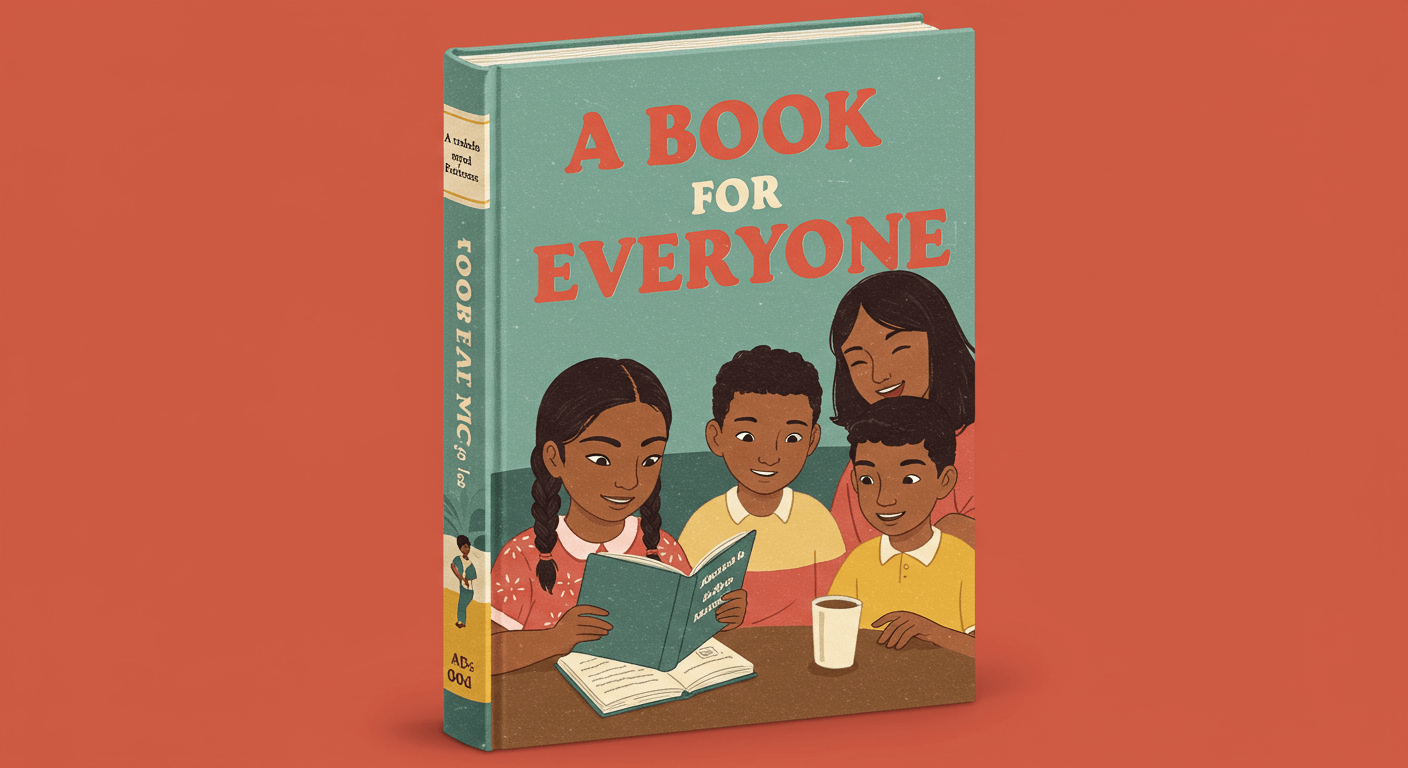
Books are powerful tools for connection, creativity, and expression. Whether you’re writing for family, friends, your community, or the broader world, creating a book “for everyone” is about inclusivity, shared stories, and messages that resonate across ages, cultures, and backgrounds.
In this guide, you’ll discover how to make a book that’s meaningful, engaging, and accessible to a wide audience—perfect for families, schools, neighborhoods, workplaces, or even just as a heartfelt personal project. Let’s explore how to bring your universal story to life.
Why Create a Book for a Broad Audience?
Making a book for everyone can have personal, educational, and social benefits. Here’s why people love this kind of project:
- Family and Community Bonding: Create shared stories and memories
- Gifting Purpose: A meaningful gift everyone can enjoy, from children to grandparents
- Educational Projects: Perfect for classrooms, libraries, and cultural awareness
- Inclusive Creativity: A great way to build bridges between different perspectives
- Legacy Preservation: Capture stories that future generations will cherish
Popular Themes That Work for Everyone
Universal themes make your book emotionally accessible. These include:
- Kindness and empathy
- Family and friendship
- Growth, change, and resilience
- Celebrations and traditions
- Imagination and creativity
- Love in all forms
- Hope, peace, and perseverance
These topics are easy to personalize while still being relatable to all readers.
Types of Books You Can Create for Everyone
Depending on your vision, here are the best formats for inclusive storytelling:
1. Family Storybook
Collect family memories, favorite stories, and shared moments.
2. Community Memory Book
Feature interviews, photos, and contributions from neighbors, classmates, or local heroes.
3. Inspirational Quote Book
Compile quotes, affirmations, and reflections for motivation.
4. Cultural Storybook
Highlight global traditions, foods, music, and history through stories and illustrations.
5. Photo Book with Captions
Pair images with thoughtful captions for a visual journey across events or years.
6. Creative Writing Anthology
Include short stories, poems, or essays submitted by different people.
7. Values-Based Children’s Book
Create a picture book about kindness, gratitude, or friendship suitable for all ages.
Step-by-Step Guide to Making a Universal Book
Step 1: Define the Purpose
Ask yourself:
- Who do I want to include?
- What message do I want the book to share?
- Should it be fun, emotional, educational—or all of the above?
Step 2: Choose the Format
Decide on:
- Print or digital
- Handmade or professionally published
- Photo-heavy, text-based, or mixed media
Step 3: Create an Outline
Sketch out your content structure:
- Introduction
- Themed sections (e.g., “Family Moments,” “Lessons Learned”)
- Contributor pages
- Visual breaks (photos, drawings, quotes)
- Closing letter or message
Step 4: Collect Content
You can create it yourself or invite others to contribute:
- Stories
- Poems or letters
- Photos
- Art or drawings
- Reflections and thoughts
Step 5: Write and Design
Using tools like Canva, Microsoft Word, or Google Slides:
- Layout each page with clarity
- Use large, readable fonts
- Keep visuals balanced with text
- Maintain a consistent color palette
Step 6: Review and Edit
Proofread your writing and ensure the content is appropriate and accessible for all audiences.
Step 7: Print or Share
Decide how you’ll distribute your book:
- Print: Use services like Mixbook, Blurb, or Shutterfly
- Digital: Share as a PDF, e-book, or online flipbook
- DIY: Print and bind at home using folders or scrapbooks
Design and Format Tips for Inclusivity
A universal book should be visually welcoming and easy to understand:
- Use large fonts and clear headings
- Avoid slang or regional phrases that not everyone may know
- Include diverse illustrations or photos
- Make sure color contrasts are accessible for vision-impaired readers
- Translate key sections if your audience speaks multiple languages
Simplicity, warmth, and clarity are key to making your book feel open to all.
Creative Content Ideas for Universal Appeal
Here are pages and prompts you can include to engage a broad audience:
1. Our Story Together
Document shared moments, events, or traditions.
2. Voices of Our Circle
Include pages where different people answer the same prompt, like:
- “What does love mean to you?”
- “What are you grateful for?”
3. Lessons from Life
Share words of wisdom, childhood advice, or things learned through experience.
4. Favorites Around the World
Include foods, songs, holidays, and activities from different cultures.
5. Wish Pages
Write down wishes or hopes for others—uplifting and compassionate.
6. Family Tree or Timeline
Visual pages that connect generations and timelines together.
7. Creative Art Pages
Add coloring pages, drawings, or space for doodles and creativity.
How to Print, Share, or Publish Your Book
For Print Copies:
- Mixbook, Blurb, Lulu, or Snapfish for photo books
- Amazon Kindle Direct Publishing (KDP) for paperback
- Local print shops for short runs
For Digital Distribution:
- Share via email as a PDF or EPUB
- Upload to Google Drive, Dropbox, or your website
- Use online publishing platforms like Issuu or Canva eBook viewer
For Handmade Books:
- Print pages at home
- Use 3-ring binders, folders, or spiral binding
- Decorate covers with personal touches and colors
Book Examples That Inspire Everyone
Here are inspiring ideas from real-world books and projects:
1. “Humans of New York” by Brandon Stanton
A photo-story book highlighting everyday people around New York. Great example of storytelling through images and captions.
2. “The Family Book” by Todd Parr
A colorful children’s book that celebrates all kinds of families.
3. “All Are Welcome” by Alexandra Penfold
An inclusive classroom book that emphasizes belonging and unity.
4. “Chicken Soup for the Soul” Series
A collection of short stories with universal life lessons, written by people from all walks of life.
These books show how simple words and authentic experiences can speak to everyone.
Final Thoughts
Creating a book for everyone is a beautiful, lasting way to promote connection, celebrate diversity, and leave behind something that matters. It’s a gift of time, thought, and creativity—offering stories that unify rather than divide.
No matter who you are or where you come from, you have a story that someone else needs to hear. By crafting a book with universal values and heartfelt moments, you create something that inspires kindness, compassion, and shared understanding.
So grab your pen, open your design tool, and start making your book for everyone. You never know how many hearts it might touch.
